-
What are the top 10 Applications of Graphene Oxide Nanoparticles?
Dec 25, 2025 | ACS MATERIAL LLCNanotechnology and nanoparticles are imperative in revolutionizing industries by deploying matter at the atomic scale (1-100 nm). This approach creates materials with unique properties that are beneficial across industries such as smart sensors, water filtration, and energy solutions.
Nanotechnology makes life safer, more efficient, and technologically advanced. In this blog, we will discuss the best materials, graphene nanoparticles from the Graphene Series. It also explains the benefits and applications of graphene oxide nanoparticles across various industries, making our lives safer.
What are Graphene Oxide Nanoparticles and Their Benefits?
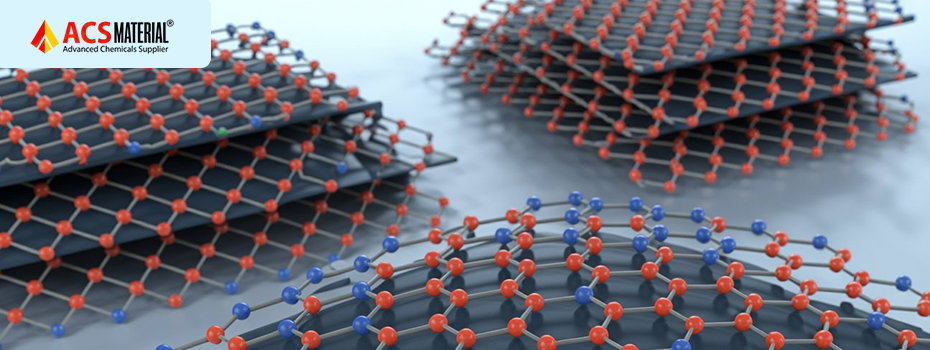
Graphene oxide nanoparticles consist of ultra-thin carbon sheets organized with oxygen-based functional groups. These groups ensure the material’s strong chemical reactivity while maintaining the high surface area and mechanical strength. Here are some of the best properties you need to know:
- The graphene structure gives it a large surface area relative to its weight, which is why it is highly reactive and interacts with other molecules more effectively than many other nanomaterials.
- Having high thermal and electrical conductivity that allows electrons move freely across their two-dimensional carbon network. This property makes it ideal for supercapacitors, energy-storage batteries, and thermal management systems, where heat transfer is essential.
- Graphene nanoparticles are also famous for their tunable chemical surface. The oxygen and other functional groups on graphene nanoparticles enable surface modification to meet the specific tasks.
- It has the stunning biocompatibility that makes it valuable for biosensors, drug delivery, and tissue engineering.
- Graphene nanoparticles retain exceptional mechanical strength as compared to other chemical and materials. Their carbon lattice makes them stronger and lighter than other traditional materials, enabling graphene-reinforced composites.
Application of Graphene Nanoparticles
1. Next-Generation Energy Storage
Energy storage systems require materials that store more energy, charge faster, and last longer. Moreover, graphene oxide nanoparticles enhance the performance of lithium-ion batteries, sodium-ion batteries, and supercapacitors by improving electrode stability and ion transport.
Research shows that graphene oxide is also improving the cycle life and change resistance. Therefore, battery manufacturers now integrate these marvelous materials to support fast charging for electric vehicles and reduce degradation. To achieve high-performance, valuable results, always choose Trustworthy Graphene Oxide Suppliers to buy any material from the graphene series.
2. Flexible And Wearable Electronics
A flexible, durable material is needed to enable bending without compromising conductivity or performance. So, graphene oxide nanoparticles support stretchable, thin circuits that are beneficial for smart, flexible clothing, health trackers, and folded display devices.
Nevertheless, companies working on electronic skin and wearable medical devices use graphene coatings to improve the signal sensitivity and durability. Besides, these materials also help to reduce device thickness while maintaining performance.
Read Also: Graphene Oxide
3. Biomedical Sensors & Diagnostics
Early disease detection depends on sensitive and reliable sensors. Additionally, graphene oxide nanoparticles respond to minimal biological changes, making them perfect for biosensors.
Besides, the medical researchers use graphene oxide-based sensors to detect glucose, viruses, cardiac markers, and cancer biomarkers. Rapid response times improve diagnostic accuracy and reduce testing delays in clinical settings.
4. Targeted Drug Delivery & Cancer Therapy
Graphene oxide nanoparticles work well as drug carriers because their surfaces easily bind to drug molecules. It allows treatment to reach the affected cells directly rather than spreading throughout the body. Doctors can ensure the treatment accuracy and reduce their side effects to make therapies safer. So, get high-quality, pure graphene nanoparticles from a reliable, certified graphene supplier like ACS Material.
5. Water Purification & Desalination Membranes
Access to clean water is a global issue, and people in many regions struggle to access it. To resolve this issue, graphene oxide can play a role due to its high surface area, which helps to remove pollutants. Graphene nanoparticles improve filtration membranes by trapping heavy metals, dyes, salts, and other organic contaminants.
Additionally, Research shows that graphene oxide membranes allow faster water flow while blocking contaminants. Despite this, such membranes are now used for wastewater treatment systems and industrial filtration units.
6. Advanced Composite Materials
Graphene oxide nanoparticles also show their magic in advanced composite materials. Therefore, manufacturers add them to metals, polymers, and ceramics to improve the strength and reduce weight.
Nevertheless, the aerospace and automotive industries use graphene-based composites to ensure thermal stability and resistance in aircraft or vehicles. Compared to traditional fillers, it achieves reinforcement at extremely low concentrations, reducing material cost and weight without compromising performance.
Read Also: What is Graphene Oxide Used for?
7. Thermal Management in Electronics
Modern electronic devices often overheat, which can highly impact their performance and reduce their lifespan. Graphene nanoparticles can ensure the proper heat dissipation in LEDs, power electronics, data centers, and processors without compromising performance.
Graphene oxide has high thermal conductivity, allowing devices to run cooler under heavy workloads and improving reliability. As a result, electronic devices last longer and operate more efficiently even in severe conditions.
8. Protective Coatings & Corrosion Resistance
Graphene oxide is used in coatings to strengthen them for corrosion resistance in chemical and moisture-exposed environments. The protective coatings are used in marine equipment and industrial machinery.
Basically, when experts add graphene to a coating, it enhances its durability and forms a barrier that prevents chemicals, moisture, and oxygen from penetrating the surface. Also, these coatings deliver their benefits in the oil, gas, and marine industries by minimizing equipment and machinery maintenance costs and repair schedules.
9. Cement, Concrete & Smart Infrastructure
The addition of graphene oxide makes the concrete denser by reducing the number of tiny pores that allow water and chemicals to enter. Therefore, cement infused with reduced graphene oxide nanoparticles ensures the internal structure robustness, increasing longevity and slowing cracking. Graphene Council findings show that graphene oxide enables engineers to achieve the same or higher strength levels using less cement.
Apart from that, the addition of graphene oxide to concrete reduces cement content, thereby directly reducing the environmental footprint of construction projects. Besides, graphene oxide ensures the long-lasting infrastructure while helping the construction industry move closer to sustainable solutions.
10. Conductive Inks & Printed Electronics
Nanomaterials and technologies are essential for producing conductive inks and printed electronics. For the manufacturing of printed electronics, experts need materials that conduct electricity and are also flexible. As we already mentioned above, graphene has the best electrical conductivity, which is why companies use it in conductive inks and sensors.
The conductive inks help packaging to track temperature and freshness. Manufacturers also choose graphene oxide because it costs less than other conventional metals. Along with affordability, they still offer high performance and stability.
Concluding Thoughts
The above discussion outlines the top ten applications of graphene oxide nanoparticles across different industries, from energy storage to printed electronics. These nanoparticles have high conductivity, extreme flexibility, and durability, making this material ideal for scientists to explore more innovations.
Whether you need pure graphene or Graphite Oxide, always buy from trustworthy chemical suppliers. ACS Material has the best range of graphene series chemicals at market-leading prices. So, follow us on X(Twitter) and Facebook to stay up to date on the latest news and information.
FAQ’s:
Q. What is a graphene oxide nanoparticle?
A. A graphene oxide nanoparticle is a nanoscale carbon material that is synthesized from graphene sheets that contain oxygen groups to allow the best chemical reactivity and dispersibility.
Q. Why is graphene used in nanotechnology?
A. Graphene has a high surface area, conductivity, and exceptional strength at the nanoscale, which makes it ideal for new innovations and advanced devices.
Q. What are nanoparticles?
A. Nanoparticles are tiny particles that are typically between 1 and 100 nanometers. It is also exhibiting unique chemical and physical properties.
Q. What is graphene oxide commonly used for?
A. Graphene oxide is commonly used in advanced composites, biomedical devices, sensors, coatings, water purification, and energy storage industries.
Q. What are the nanoparticles in graphene oxide?
A. Nanoparticles in graphene oxide consist of single-layer sheets with oxygen-based functional groups that improve the interaction with other materials.