-
Introduction to zeolites
Jul 15, 2018 | ACS MATERIAL LLCZeolites are the quiet workhorses of industrial chemistry: crystalline frameworks riddled with channels the size of small molecules. They soften water, crack crude oil into gasoline, dry refrigerants and insulated windows, and sort gases one molecule at a time. The trick is geometry — an aluminosilicate scaffold whose pores are so precisely sized that the material can tell molecules apart by shape.
Quick answer: A zeolite is a crystalline, microporous aluminosilicate built from corner-sharing SiO4 and AlO4 tetrahedra. Substituting Al for Si leaves the framework with a net negative charge, balanced by exchangeable cations sitting in the pores. Those uniform, molecule-sized channels and cavities let a zeolite behave as a molecular sieve, an ion exchanger, and a shape-selective catalyst all at once. A handful occur as minerals; most industrial zeolites are made hydrothermally.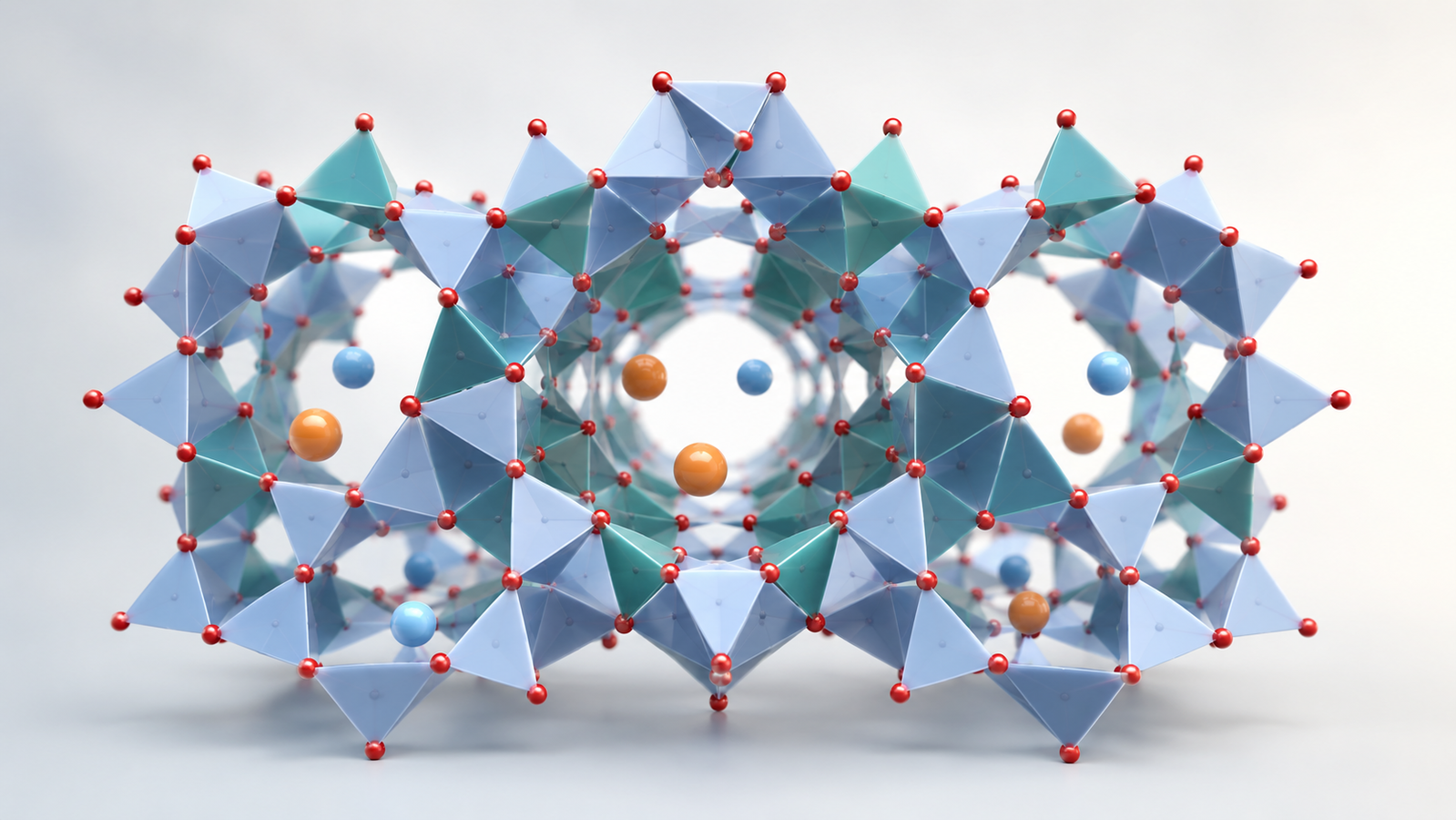
A zeolite framework is built from corner-sharing SiO₄ and AlO₄ tetrahedra that link into a crystalline lattice threaded with molecule-sized channels and cages; exchangeable cations sit in the pores to balance the charge. What Zeolites Actually Are
Zeolites are an important class of inorganic, microporous, crystalline materials whose oxide network is built from corner-sharing TO4 tetrahedra, where T is a tetrahedral atom — most often silicon or aluminum.1 Each tetrahedron contributes a T atom surrounded by four oxygens, and every oxygen bridges two T atoms, so the tetrahedra link into a continuous three-dimensional framework laced with channels and cavities. When an Al3+ takes the place of an Si4+, the framework picks up a net negative charge; small, mobile cations such as Na+, K+, or Ca2+ sit in the pores to balance it, alongside removable water. This is why the same material can sieve, exchange ions, and catalyze.
Two features, more than any other, explain why zeolites reach into so many industries.1 The first is their microporous structure: the channels and cages are of molecular dimensions, typically 3 to 12 Å across, which lets them act as molecular sieves and as shape-selective catalysts. The second is the versatility of their composition. The framework is most commonly aluminosilicate, but the tetrahedral sites can also host B, Ge, P, Ga, Ti, and other atoms, and that composition sets the concentration and strength of catalytic sites and the polar (hydrophilic or hydrophobic) character of the channel walls. Controlling the pore network and the chemistry together is the whole game in zeolite design.
It helps to keep one distinction straight from the outset. Zeolite means a crystalline, microporous aluminosilicate (or one of its close framework relatives). Molecular sieve is the broader, function-based term: it covers zeolites but also other ordered porous solids — including the mesoporous silicas discussed near the end of this article — that separate species by size. All zeolites are molecular sieves; not every molecular sieve is a zeolite.
Inside the Framework: Tetrahedra, Channels, and Cages
The building block is the TO4 tetrahedron, and the architecture comes from how those tetrahedra connect. They assemble into recurring secondary building units — rings of four, five, six, eight, ten, or twelve linked tetrahedra — and those rings define the apertures that gate the pores. An eight-membered ring opens a window of roughly 4 Å (small-pore zeolites such as the LTA framework), a ten-membered ring around 5.5 Å (medium-pore, like the MFI framework of ZSM-5), and a twelve-membered ring near 7.5 Å (large-pore, like the FAU framework of zeolites X and Y). Inside, the framework encloses either cages (such as the sodalite cage shared by LTA and FAU) or channels that may run straight, zig-zag, or intersect in two or three dimensions.
Each unique connectivity is catalogued by the Structure Commission of the International Zeolite Association, which assigns every approved framework a three-letter code — LTA, FAU, MFI, BEA, CHA, and so on. The count keeps climbing: the database listed 133 framework types around 2001 and 176 by 2007, and today more than 250 have been approved.2 That diversity of pore sizes, shapes, and dimensionalities is exactly what lets engineers match a framework to a molecule.
Composition: Si/Al Ratio, Acidity, and Water
If structure sets the size of the pores, composition sets their personality. The single most important compositional number is the silicon-to-aluminum ratio. By Loewenstein's rule, two AlO4 tetrahedra never share an oxygen, so the Si/Al ratio has a hard floor of 1 and ranges upward to essentially pure silica. Every aluminum carries one framework negative charge, so a low Si/Al ratio means many charge-balancing cations, a more hydrophilic and water-loving surface, and — once those cations are exchanged for protons — many acid sites, though typically at the cost of thermal and acid stability. A high Si/Al ratio flips all of this: fewer but individually stronger acid sites, a hydrophobic channel surface, and a more robust framework.1
The acidity itself comes from a specific group: a bridging hydroxyl in which a proton sits on an oxygen between a silicon and an aluminum (Si–OH–Al). These Broensted acid sites are what make acid zeolites such effective solid catalysts, and being able to dial their number and strength through composition is why one framework can be tuned for many different reactions.
How Zeolites Are Made
Almost every zeolite used in industry is synthetic, although a few dozen species also occur naturally, crystallized over geological time where volcanic ash reacted with alkaline groundwater; mined deposits of clinoptilolite and chabazite are used directly in agriculture, lightweight concrete, and water treatment.3 The earliest synthetic zeolites were made entirely from inorganic reagents, and a great deal of early work mapped out how different alkali and alkaline-earth cations steered the result. The decisive advance came in 1961, when R. M. Barrer at Imperial College London began replacing part of the inorganic cations with organic ones such as tetramethylammonium (TMA+), and used them to crystallize several of the zeolites still in use today.4 Chemists at Mobil Oil extended the idea later in the decade, and the organic additive — now called a template or structure-directing agent (SDA) — became, and remains, the primary strategy for discovering new frameworks.5
Mechanistically, a structure-directing agent organizes the oxide tetrahedra into a particular topology around itself during gelation or nucleation, providing the initial building block for a given structure type. Most zeolites are grown hydrothermally: a gel of a silica source, an alumina source, a mineralizing agent (hydroxide or fluoride), and the cations or SDA is sealed in an autoclave and heated, with the diffusion of reagents into the forming galleries often the slow, rate-determining step.6 Variations on the theme — solvothermal, ionothermal, dry-gel conversion, microwave-assisted, and solvent-free routes — broaden the range of accessible materials, but in most of them the SDA is indispensable.
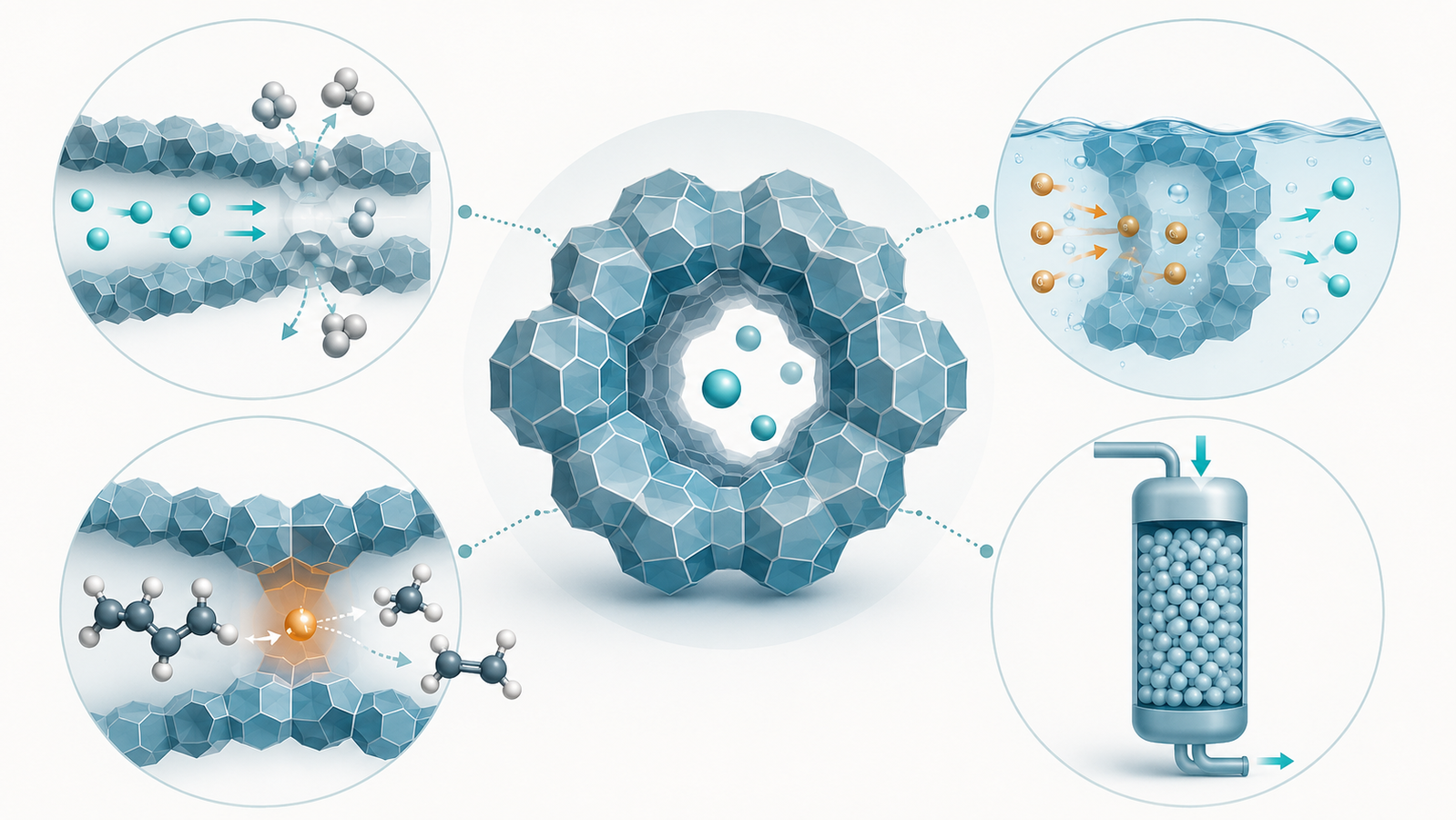
Three workhorse roles for zeolites — molecular sieving and gas drying, ion exchange, and acid catalysis — all carried out inside packed beds of shaped zeolite pellets. Molecular Sieving and Separation
The most fundamental thing a zeolite does is sieve. Because the pore aperture is fixed by the framework, a molecule can enter the internal surface only if its kinetic diameter is smaller than that opening; anything larger is excluded, or “sieved.” Selectivity beyond simple size also draws on the shape of the molecule and on how strongly it interacts with the polar framework, but size is the headline.7 This is the basis of the commercial “A” molecular sieves named for their aperture: a 3A sieve (potassium-exchanged LTA, about 3 Å) dries gases and solvents without co-adsorbing them; a 4A sieve (sodium LTA, about 4 Å) is a general-purpose desiccant; and a 5A sieve (calcium LTA, about 5 Å) is open enough to admit straight-chain paraffins while rejecting their branched isomers.
Scaled up, this single principle underlies a remarkable share of industrial separation and purification: drying refrigerants, natural gas, and insulated-glass units; separating oxygen from nitrogen in pressure-swing adsorption; splitting normal from iso-paraffins; recovering xylene isomers; and stripping water, CO2, or sulfur compounds from gas streams.1 Capturing CO2 from flue gas, biogas, and even directly from air is an active extension of the same adsorption chemistry.8 Adsorption on zeolites also does quieter environmental work, from recovering solvents out of industrial off-gas to managing radioactive waste.
Ion Exchange: Water Softening and Detergents
The negative charge on an aluminosilicate framework is balanced by cations that are only loosely held, sitting in the pores rather than bonded into the walls — which means they can be swapped for other cations from a surrounding solution. That exchange is reversible and selective, and it turns zeolites into high-capacity, regenerable ion exchangers.7
The largest use by volume is softening water. A sodium-form zeolite readily trades its Na+ for the Ca2+ and Mg2+ that make water “hard,” which is why zeolite A became the standard builder in powder laundry detergents after phosphates were phased out for environmental reasons. The same chemistry removes ammonium from wastewater and aquaculture systems, and certain zeolites are selective enough for radioactive Cs+ and Sr2+ to be used in nuclear waste cleanup.3 Because the cation can also be chosen deliberately, ion exchange doubles as a way to tune a sieve's effective pore size — the difference between a 3A, 4A, and 5A sieve is simply which cation occupies the LTA framework.
Zeolites as Catalysts
Catalysis is where zeolites have made their largest economic mark. As solid acids they replace hazardous liquid acids, cutting corrosion, salt by-products, and waste, and their acid strength and concentration can be tuned through composition.1 The flagship example is fluid catalytic cracking, where faujasite-type zeolite Y (and its ultrastable form) breaks heavy petroleum fractions into gasoline-range molecules — the single largest catalytic process on Earth by tonnage.9 Because the reaction happens inside pores of molecular size, zeolites also deliver shape selectivity: the framework can favor a reactant that fits, a product that can leave, or a transition state that the cavity can accommodate. ZSM-5 (MFI) exploits exactly this in xylene isomerization, dewaxing, and methanol-to-gasoline (and methanol-to-olefins) chemistry.10
The same toolkit now reaches well beyond bulk refining. The variety of pore topologies and dimensions, combined with tunable acidity or basicity and the ability to regenerate the solid, makes zeolites attractive heterogeneous catalysts for the synthesis of chemical intermediates and fine chemicals.11 Titanosilicate frameworks such as TS-1 are a striking case: by placing isolated titanium in a silica framework, they catalyze selective oxidations with hydrogen peroxide — phenol to dihydroxybenzenes, or propylene to propylene oxide — under mild, clean conditions. And zeolites increasingly clean up what combustion leaves behind: copper-exchanged chabazite (Cu-SSZ-13), a small-pore framework prized for staying active in hot, wet exhaust, is the catalyst that reduces nitrogen oxides in modern diesel vehicles to harmless nitrogen using ammonia.12
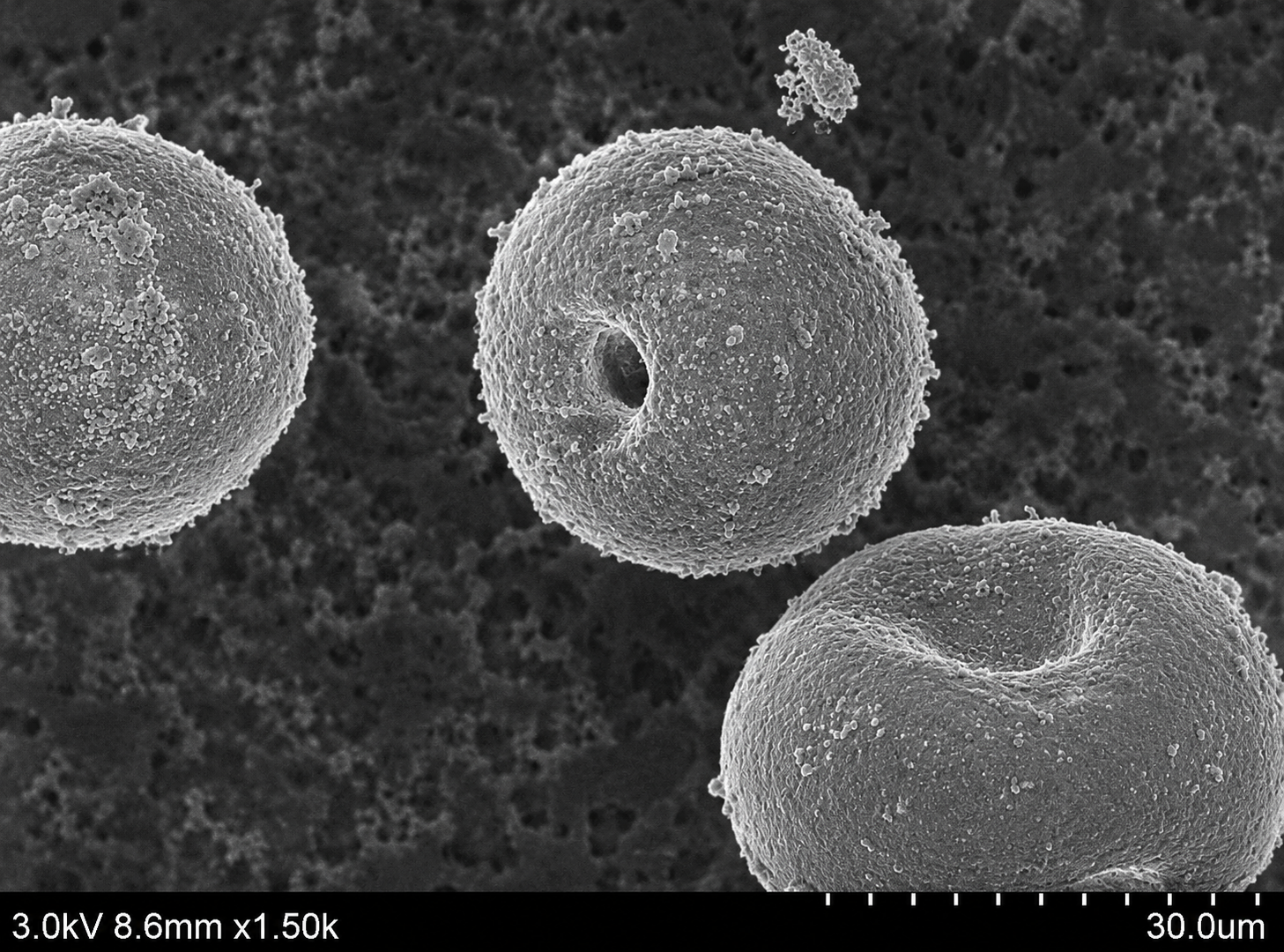
SEM image of ACS Material Molecular Sieve TS-1 (Type B), a titanosilicate zeolite used as a selective oxidation catalyst with hydrogen peroxide. Zeolites in Energy and Fuel Cells
Fuel cells promise clean, efficient power for stationary, mobile, and portable use, and zeolites and related mesoporous materials are increasingly enlisted to improve them.13 Inside the polymer electrolyte membrane they can raise proton transport, cut fuel crossover, and help manage water; they also serve as supports for electrocatalysts and play a role in fuel reforming, conversion, and storage. The contributions tend to fall into three areas: zeolites in electrolyte membranes, zeolites in electrocatalysis, and zeolites in fuel processing. Beyond fuel cells, the same adsorption properties make zeolites useful in adsorption-driven heat pumps and thermal storage, and in gas capture and storage — all variations on holding the right molecule in the right pore.
Beyond Microporous: Ordered Mesoporous Molecular Sieves
Zeolite pores are powerful precisely because they are small — microporous, below 2 nm — but that also shuts out bulky molecules. A complementary family of ordered mesoporous silicas fills the gap, with uniform pores in the 2 to 50 nm range. The breakthrough came in 1992, when researchers at Mobil reported the M41S family, including MCM-41 with its hexagonally packed cylindrical mesopores templated by surfactant liquid crystals.14 In 1998 a Santa Barbara group introduced SBA-15, using triblock-copolymer templates to reach larger pores and noticeably thicker, more robust walls.15
A point worth emphasizing for accuracy: these materials are molecular sieves, but their walls are amorphous silica rather than the crystalline, atomically ordered walls of a true zeolite, so they are not zeolites in the strict sense. What they offer is room — high surface area and large, tunable pores that suit bulky reactants, big guest molecules, catalyst supports, adsorption, and drug delivery. ACS Material supplies both worlds: microporous zeolites and ordered mesoporous silicas such as SBA-15, SBA-16, MCM-41, MCM-48, KIT-6, and FDU-12.
Researchers have also been narrowing the same gap from the zeolite side. Hierarchical zeolites build a secondary network of mesopores into an otherwise microporous crystal, so bulky molecules reach the active sites faster without sacrificing the crystalline framework.16 A newer route halts growth at a single layer to give two-dimensional zeolites — nanosheets that expose far more of their active surface and can be pillared or reassembled into tailored architectures.17 Both increasingly blur the old boundary between microporous and mesoporous solids.
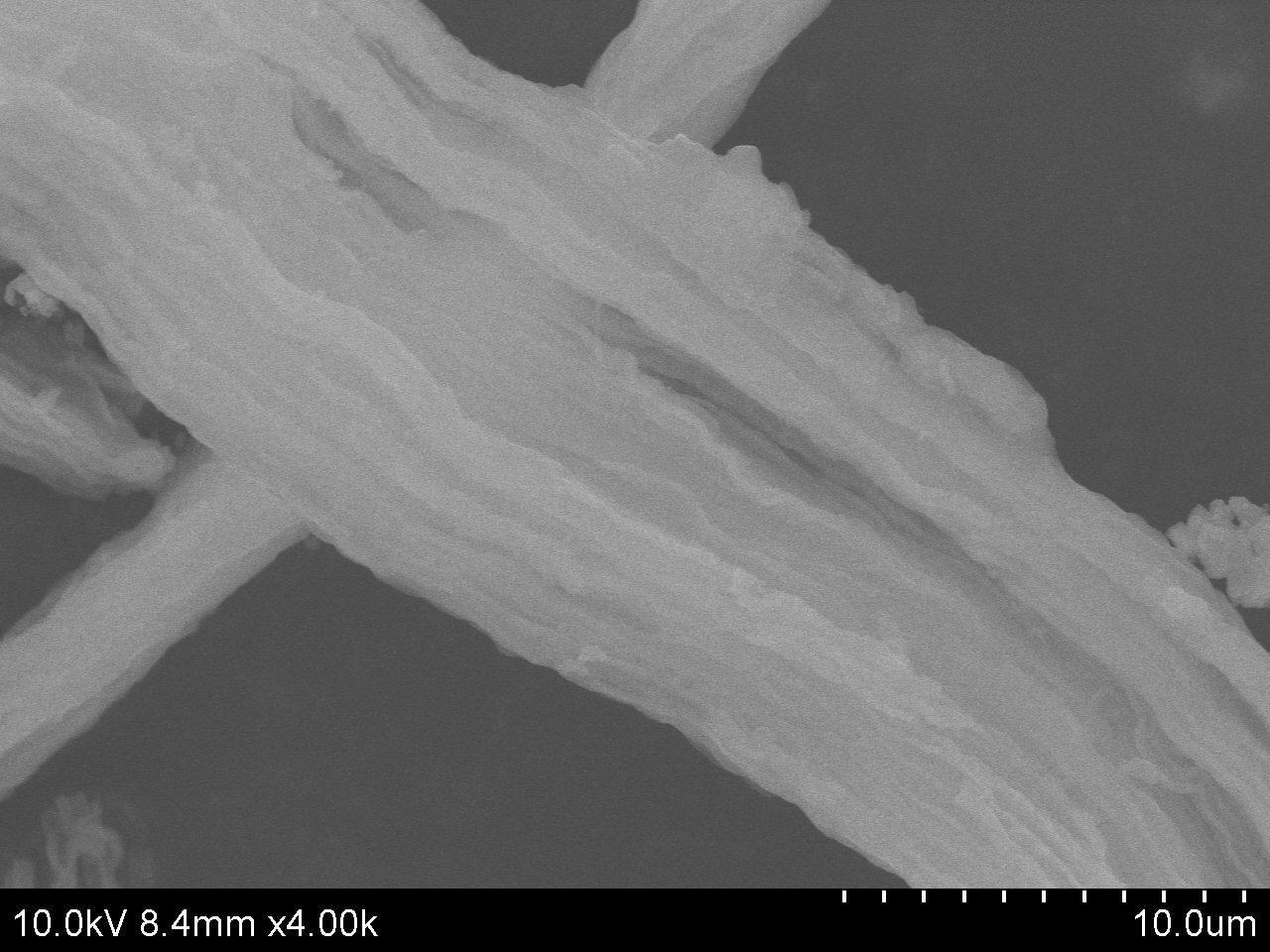
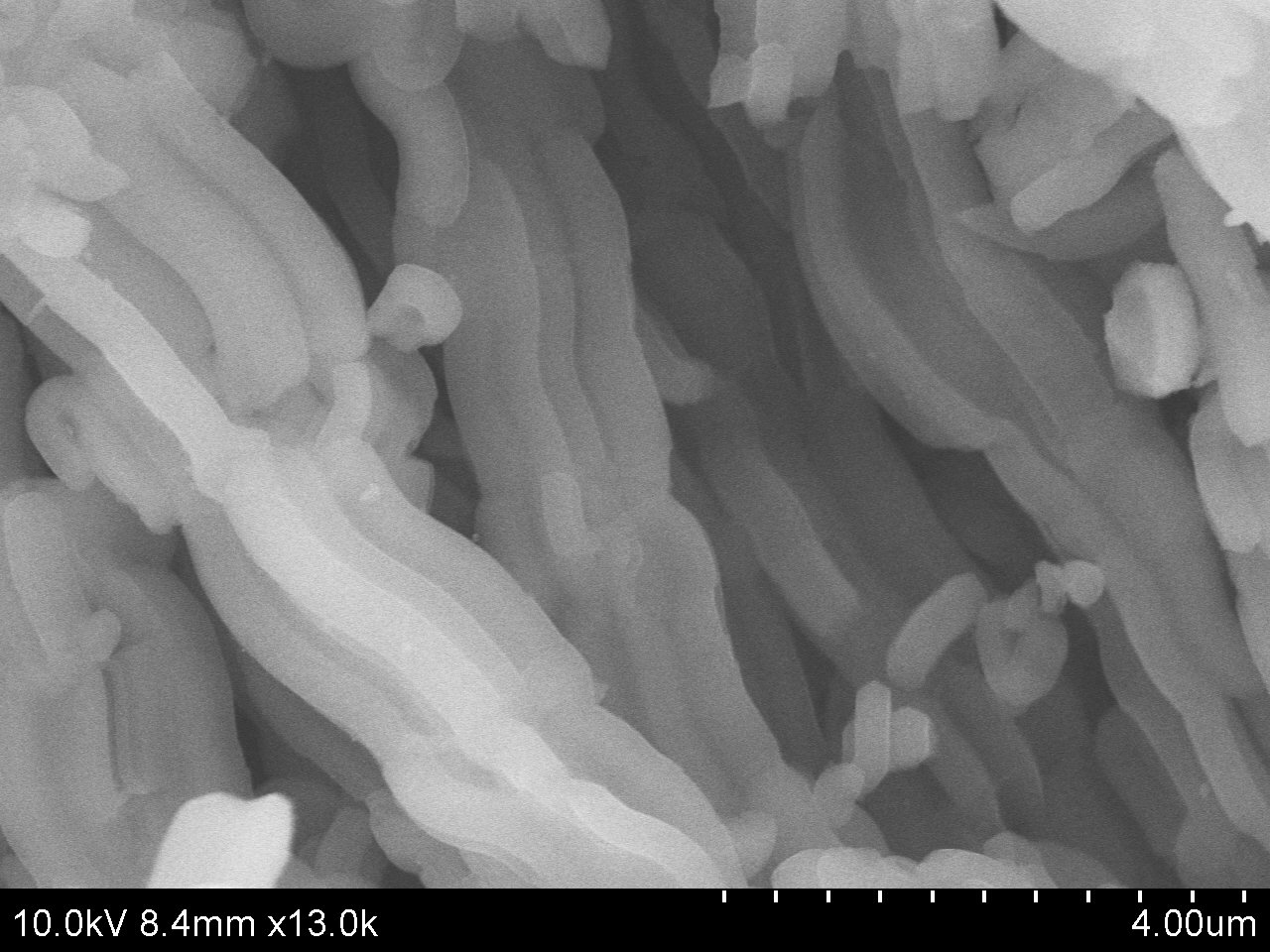
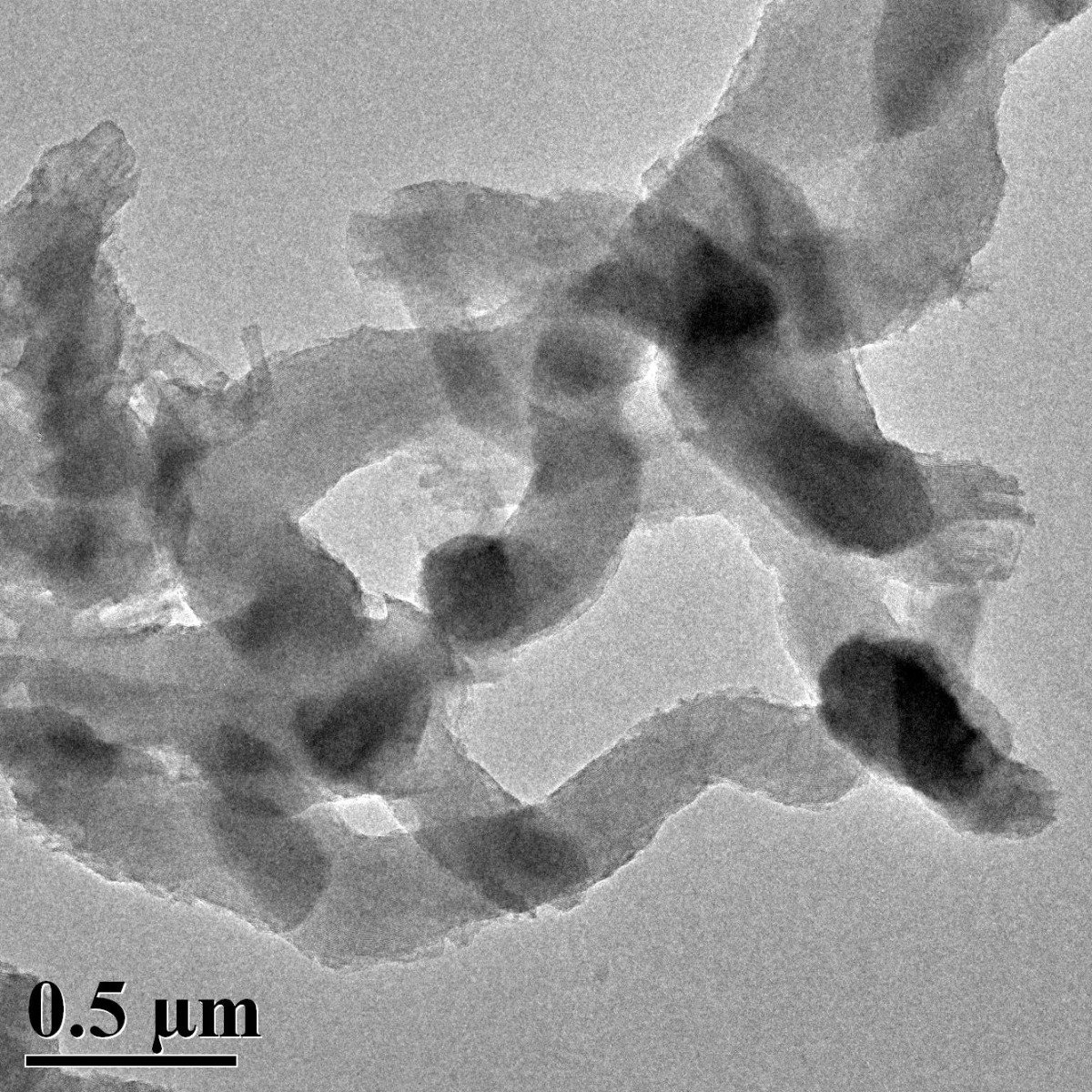
SEM images of ACS Material Mesoporous Silica Molecular Sieve SBA-15, showing its characteristic aggregated particle morphology. 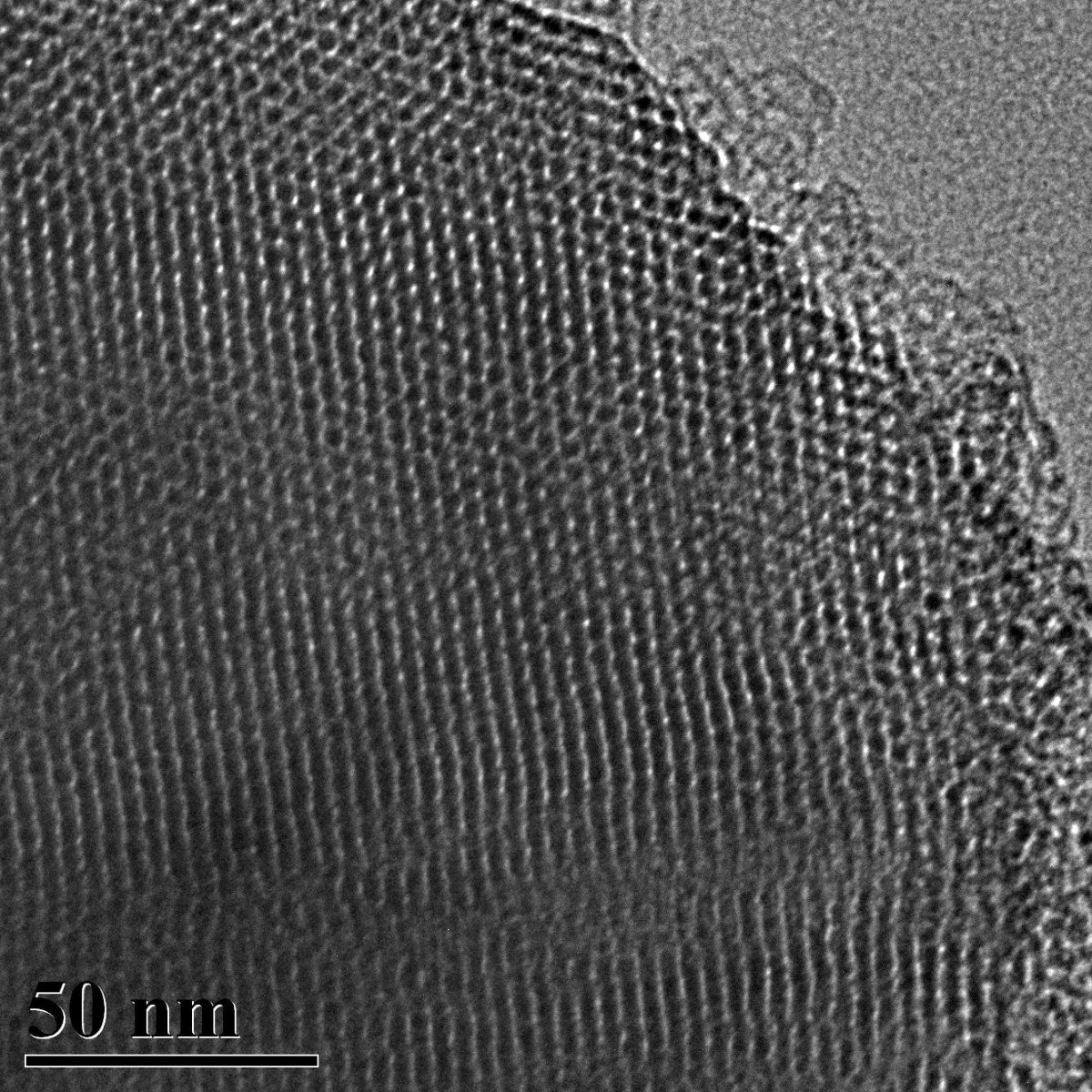
TEM images of ACS Material Mesoporous Silica Molecular Sieve MCM-41 (Type A); the ordered hexagonal array of cylindrical mesopores is best resolved by transmission electron microscopy. Zeolite & Molecular Sieve Products from ACS Material
ACS Material offers a broad catalog of microporous zeolites and ordered mesoporous molecular sieves for adsorption and separation, ion exchange, and catalysis:
- Zeolites (microporous): Beta Zeolite, Y-Type Series Zeolite, ZSM-5, ZSM-11, ZSM-22, ZSM-35, SAPO-11, SAPO-34, SSZ-13, and TS-1.
- Ordered mesoporous silicas: SBA-15, SBA-16, MCM-41, Al-MCM-41, MCM-48, FDU-12, and KIT-6.
- Browse the full Molecular Sieves category for current grades, particle sizes, and specifications.
FAQ
What is a zeolite?
A zeolite is a crystalline, microporous aluminosilicate built from corner-sharing SiO4 and AlO4 tetrahedra. Aluminum substitution gives the framework a net negative charge that is balanced by exchangeable cations in the pores, and the uniform, molecule-sized channels let the material sieve molecules, exchange ions, and catalyze reactions.
What is the difference between a zeolite and a molecular sieve?
“Molecular sieve” is a function-based term for any ordered porous solid that separates molecules by size. Zeolites are one type — the crystalline, microporous aluminosilicates. Other molecular sieves, such as ordered mesoporous silicas or carbon sieves, are not zeolites. In short, all zeolites are molecular sieves, but not all molecular sieves are zeolites.
How are microporous zeolites different from mesoporous silicas like SBA-15 and MCM-41?
Zeolites are microporous, with pores below 2 nm and crystalline, atomically ordered walls. Mesoporous silicas such as SBA-15 and MCM-41 have larger, tunable pores in the 2–50 nm range but amorphous (non-crystalline) walls, which makes them molecular sieves in the broad sense rather than true zeolites. The larger pores suit bulky molecules that a zeolite would exclude.
How does a zeolite work as a molecular sieve?
The pore aperture is fixed by the framework's ring size, so a molecule can enter only if its kinetic diameter is smaller than the opening; larger molecules are excluded. Choosing the framework — and the charge-balancing cation — sets that effective aperture, which is how 3A, 4A, and 5A sieves differ.
What is the Si/Al ratio and why does it matter?
It is the ratio of silicon to aluminum tetrahedra in the framework. A low ratio means more charge-balancing cations, a more hydrophilic surface, and more (but weaker, less stable) acid sites; a high ratio means a hydrophobic, more stable framework with fewer but stronger acid sites. Tuning it is central to matching a zeolite to a separation or a reaction.
References
1Corma, A. From Microporous to Mesoporous Molecular Sieve Materials and Their Use in Catalysis. Chemical Reviews 97, 2373–2420 (1997). DOI: 10.1021/cr960406n2Baerlocher, Ch.; McCusker, L. B.; Olson, D. H. Database of Zeolite Structures, Structure Commission of the International Zeolite Association (IZA-SC). iza-structure.org/databases (accessed 2026).3Mumpton, F. A. La roca magica: Uses of Natural Zeolites in Agriculture and Industry. Proceedings of the National Academy of Sciences 96, 3463–3470 (1999). DOI: 10.1073/pnas.96.7.34634Barrer, R. M.; Denny, P. J. Hydrothermal Chemistry of the Silicates. Part IX. Nitrogenous Aluminosilicates. Journal of the Chemical Society 971–982 (1961). DOI: 10.1039/JR96100009715Davis, M. E. Zeolites from a Materials Chemistry Perspective. Chemistry of Materials 26, 239–245 (2014). DOI: 10.1021/cm401914u6Cundy, C. S.; Cox, P. A. The Hydrothermal Synthesis of Zeolites: History and Development from the Earliest Days to the Present Time. Chemical Reviews 103, 663–702 (2003). DOI: 10.1021/cr020060i7Breck, D. W. Zeolite Molecular Sieves: Structure, Chemistry, and Use; Wiley: New York, 1974. ISBN 0-471-09985-6.8Tao, Z.; Tian, Y.; Wu, W.; Liu, Z.; Fu, W.; Kung, C.-W.; Shang, J. Development of Zeolite Adsorbents for CO2 Separation in Achieving Carbon Neutrality. npj Materials Sustainability 2, 20 (2024). DOI: 10.1038/s44296-024-00023-x9Vogt, E. T. C.; Weckhuysen, B. M. Fluid Catalytic Cracking: Recent Developments on the Grand Old Lady of Zeolite Catalysis. Chemical Society Reviews 44, 7342–7370 (2015). DOI: 10.1039/C5CS00376H10Olsbye, U.; Svelle, S.; Bjørgen, M.; Beato, P.; Janssens, T. V. W.; Joensen, F.; Bordiga, S.; Lillerud, K. P. Conversion of Methanol to Hydrocarbons: How Zeolite Cavity and Pore Size Controls Product Selectivity. Angewandte Chemie International Edition 51, 5810–5831 (2012). DOI: 10.1002/anie.20110365711Sheldon, R. A.; Downing, R. S. Heterogeneous Catalytic Transformations for Environmentally Friendly Production. Applied Catalysis A: General 189, 163–183 (1999). DOI: 10.1016/S0926-860X(99)00274-412Paolucci, C.; Khurana, I.; Parekh, A. A.; Li, S.; Shih, A. J.; Li, H.; Di Iorio, J. R.; Albarracin-Caballero, J. D.; Yezerets, A.; Miller, J. T.; Delgass, W. N.; Ribeiro, F. H.; Schneider, W. F.; Gounder, R. Dynamic Multinuclear Sites Formed by Mobilized Copper Ions in NOx Selective Catalytic Reduction. Science 357, 898–903 (2017). DOI: 10.1126/science.aan563013Shao, Y.; Yin, G.; Wang, Z.; Gao, Y. Proton Exchange Membrane Fuel Cell from Low Temperature to High Temperature: Material Challenges. Journal of Power Sources 167, 235–242 (2007). DOI: 10.1016/j.jpowsour.2007.02.06514Kresge, C. T.; Leonowicz, M. E.; Roth, W. J.; Vartuli, J. C.; Beck, J. S. Ordered Mesoporous Molecular Sieves Synthesized by a Liquid-Crystal Template Mechanism. Nature 359, 710–712 (1992). DOI: 10.1038/359710a015Zhao, D.; Feng, J.; Huo, Q.; Melosh, N.; Fredrickson, G. H.; Chmelka, B. F.; Stucky, G. D. Triblock Copolymer Syntheses of Mesoporous Silica with Periodic 50 to 300 Angstrom Pores. Science 279, 548–552 (1998). DOI: 10.1126/science.279.5350.54816Pérez-Ramírez, J.; Christensen, C. H.; Egeblad, K.; Christensen, C. H.; Groen, J. C. Hierarchical Zeolites: Enhanced Utilisation of Microporous Crystals in Catalysis by Advances in Materials Design. Chemical Society Reviews 37, 2530–2542 (2008). DOI: 10.1039/b809030k17Roth, W. J.; Nachtigall, P.; Morris, R. E.; Čejka, J. Two-Dimensional Zeolites: Current Status and Perspectives. Chemical Reviews 114, 4807–4837 (2014). DOI: 10.1021/cr400600fThis article is for educational and informational purposes. Selection of a specific zeolite or molecular sieve for a separation, ion-exchange, or catalytic application should be validated experimentally for the conditions of use. Last updated June 2026.