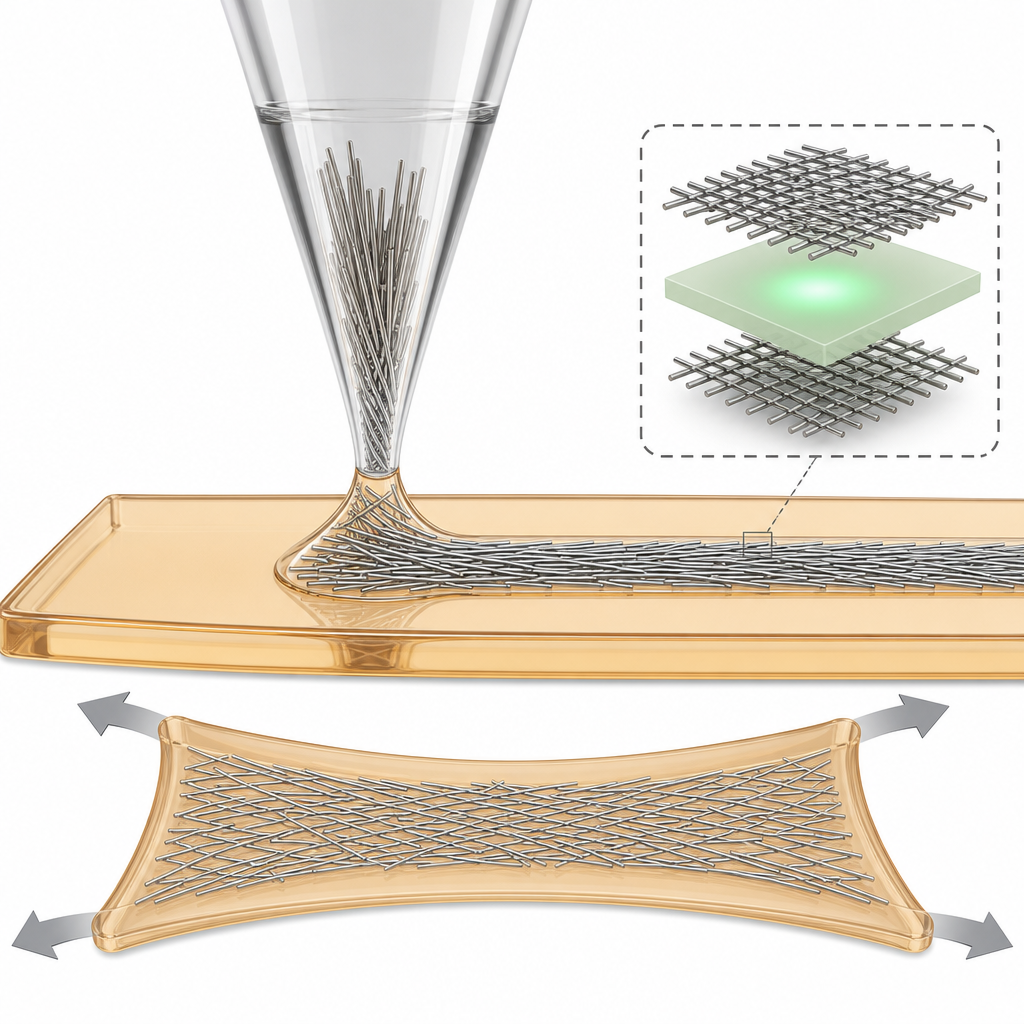
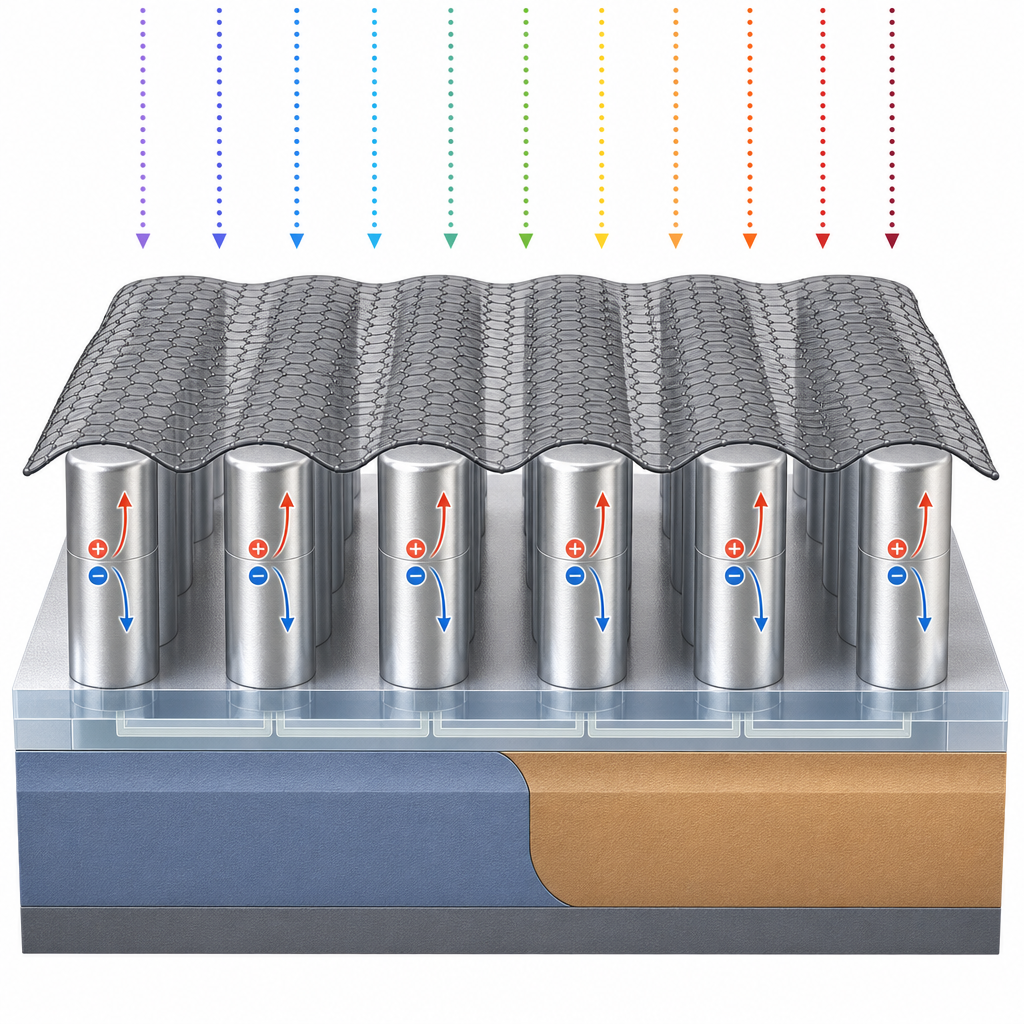
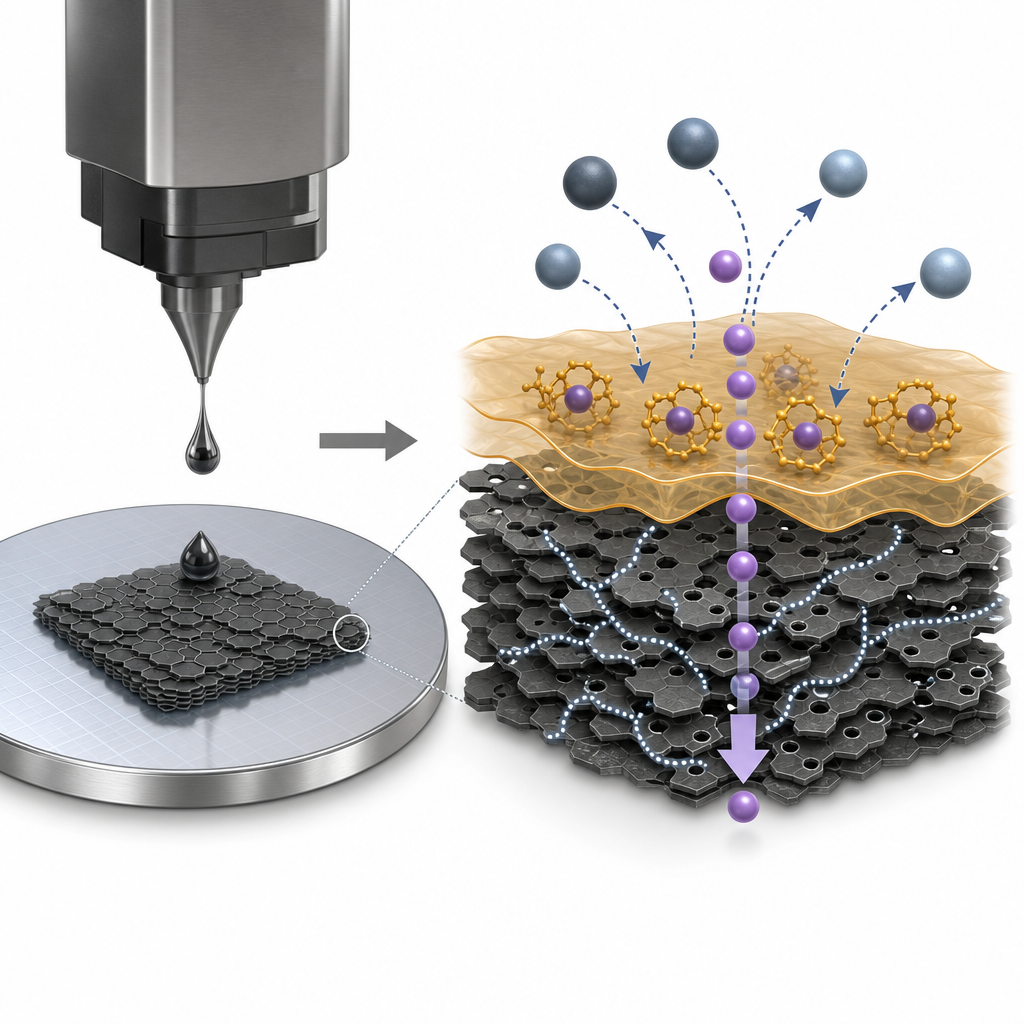
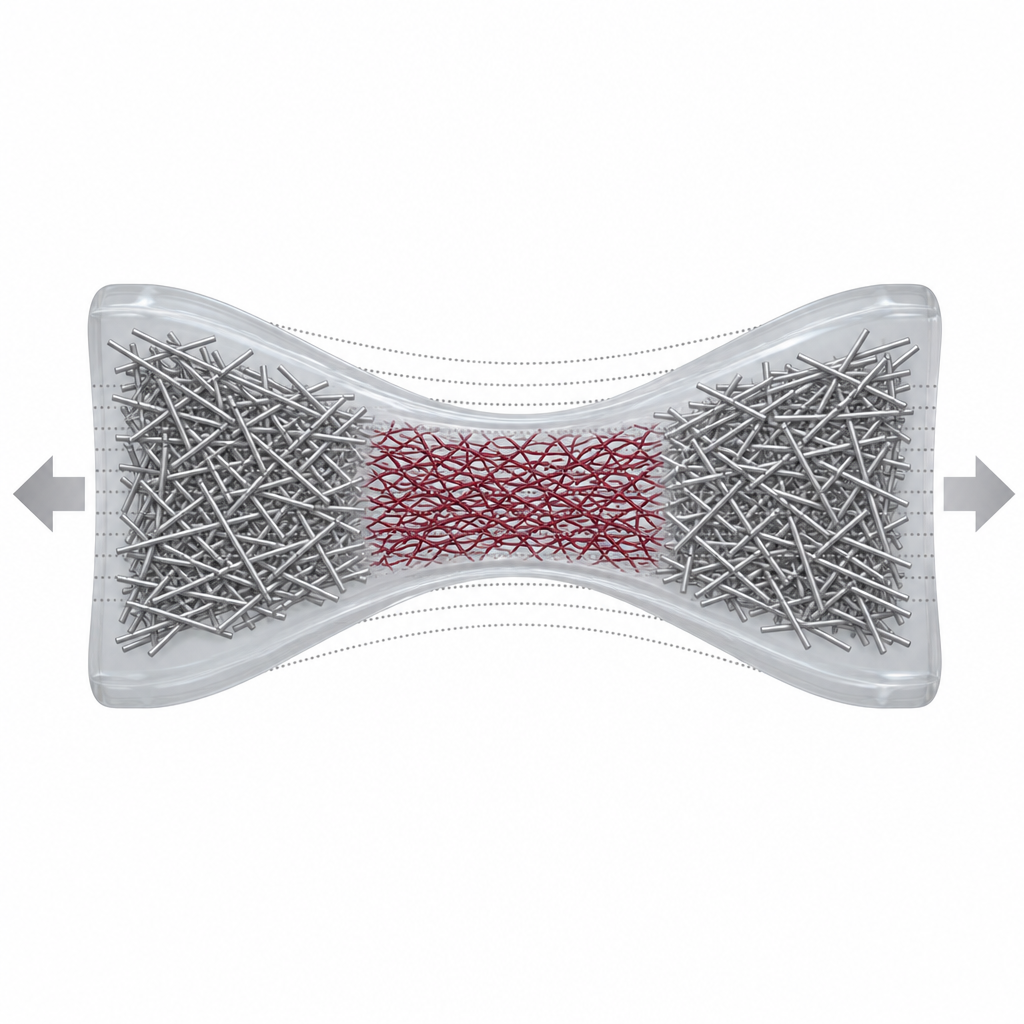
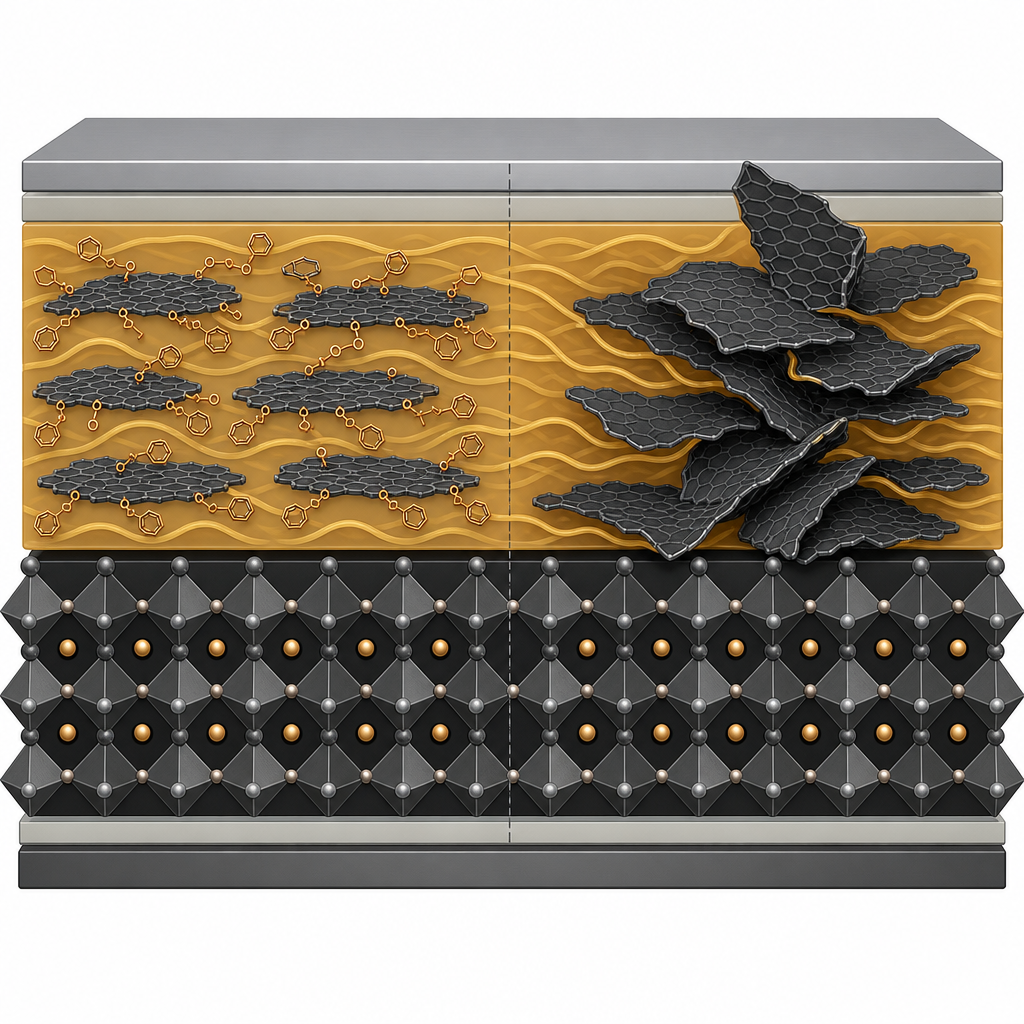
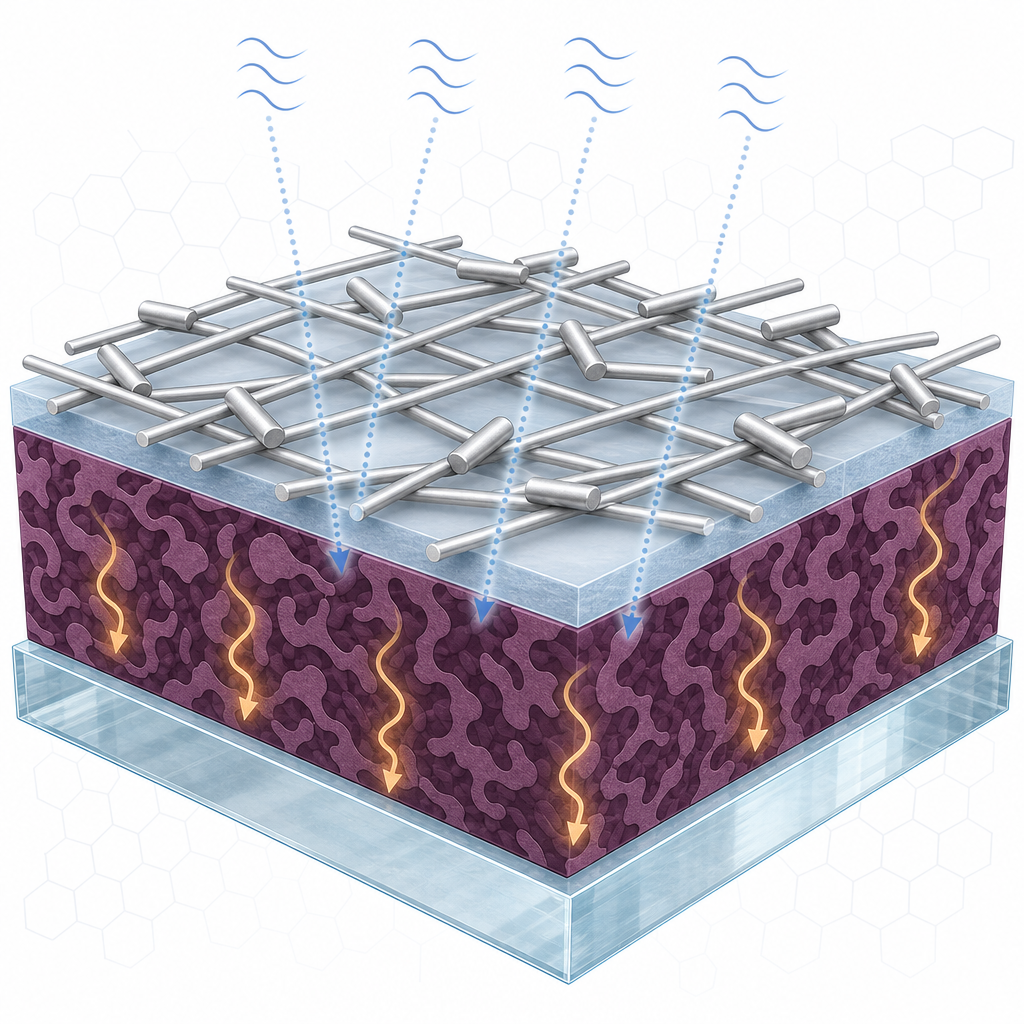
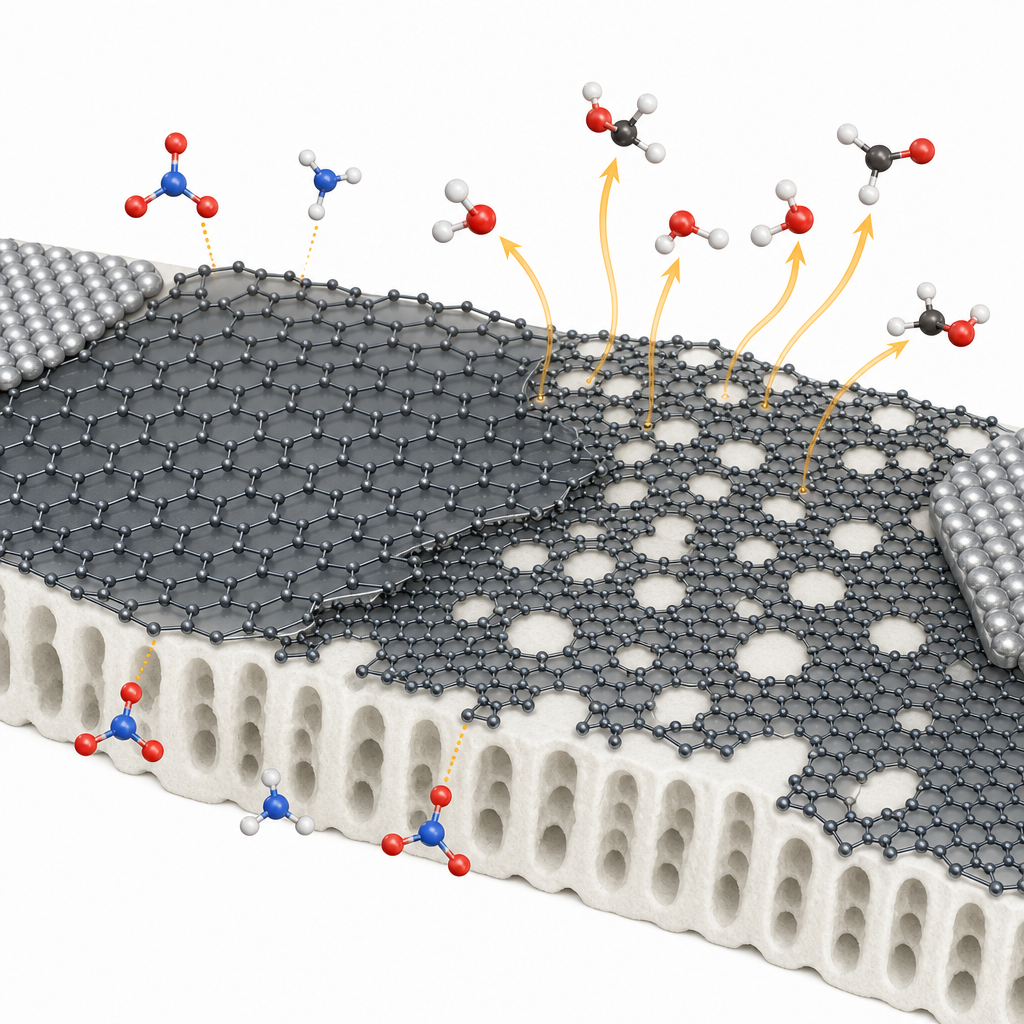
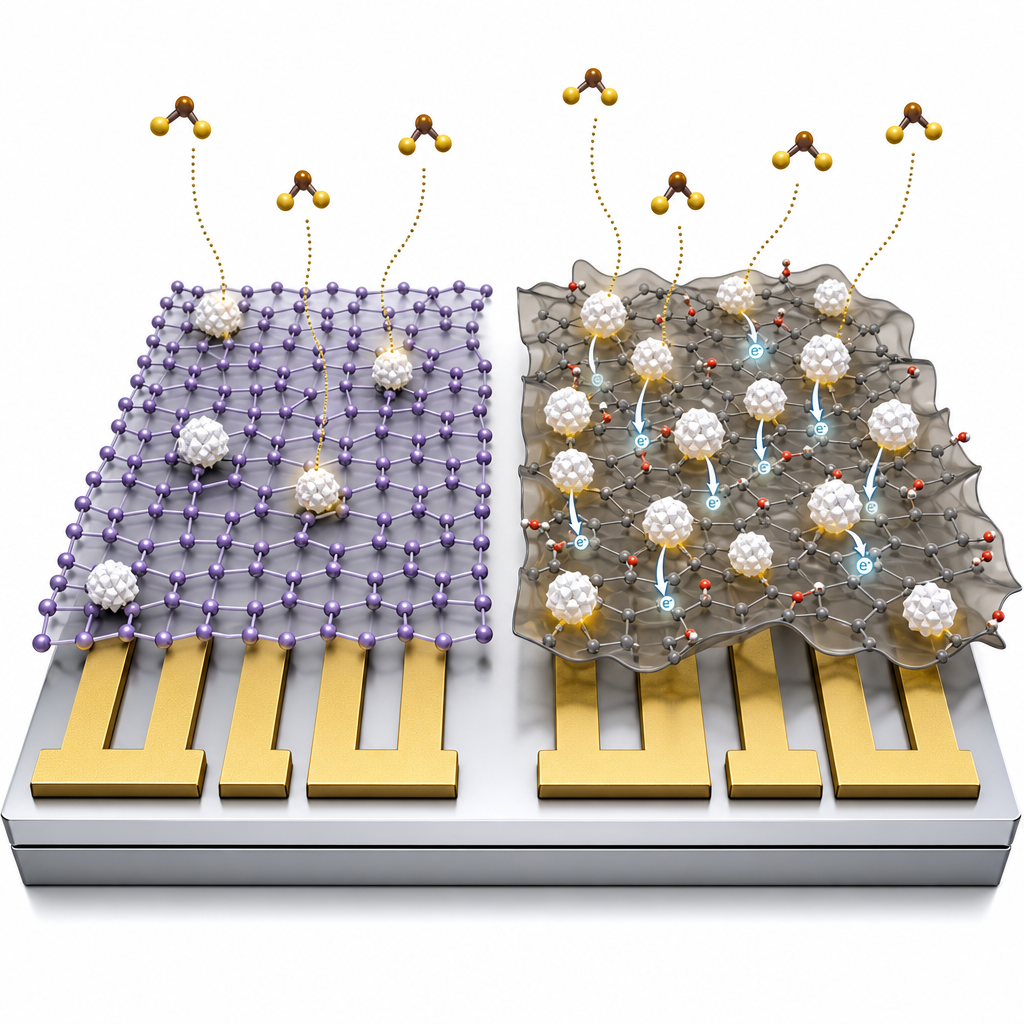
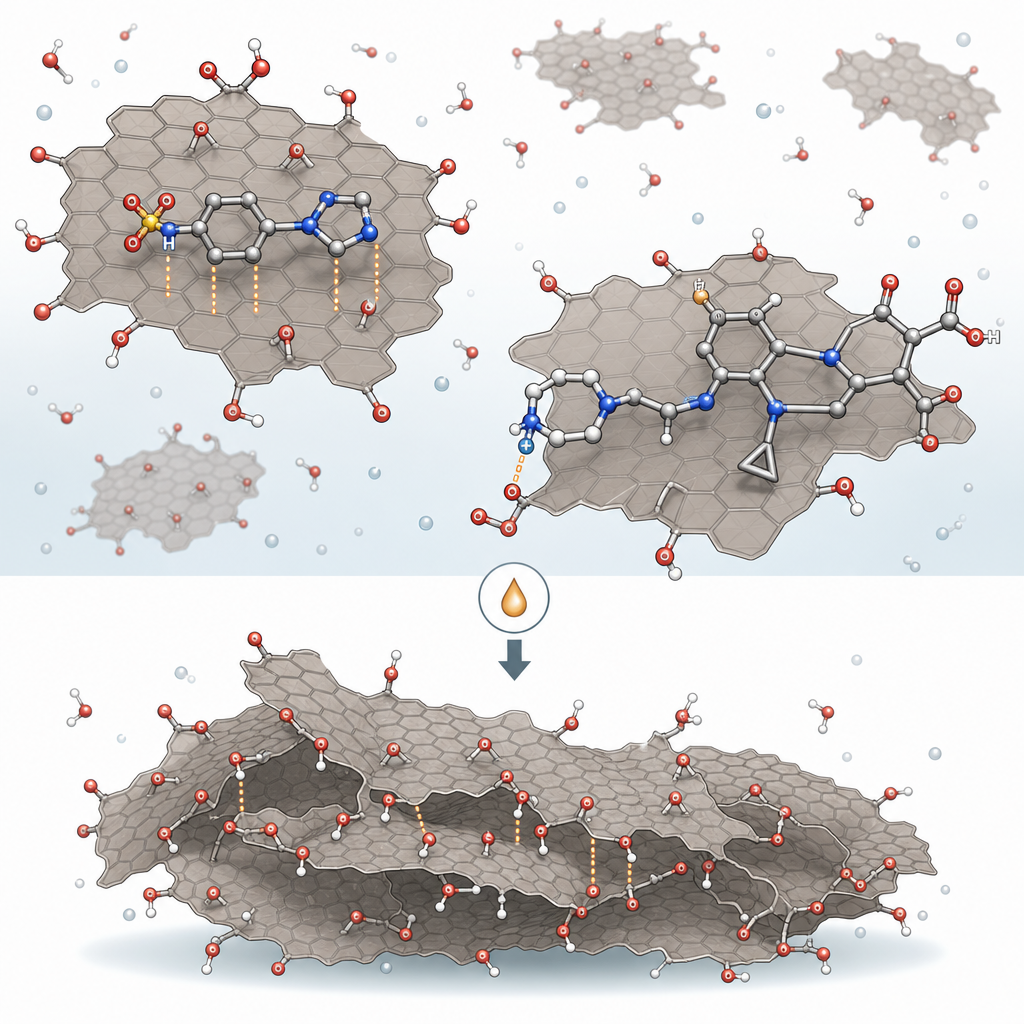
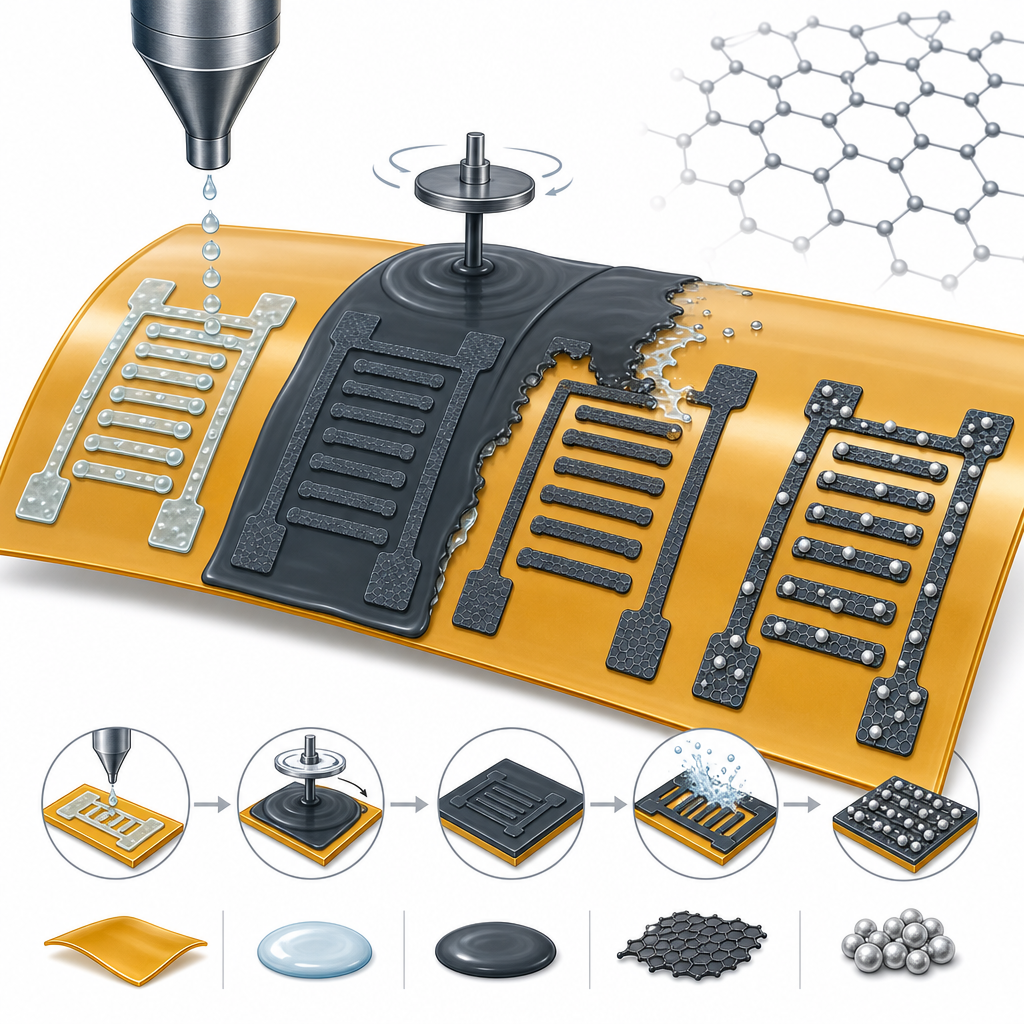
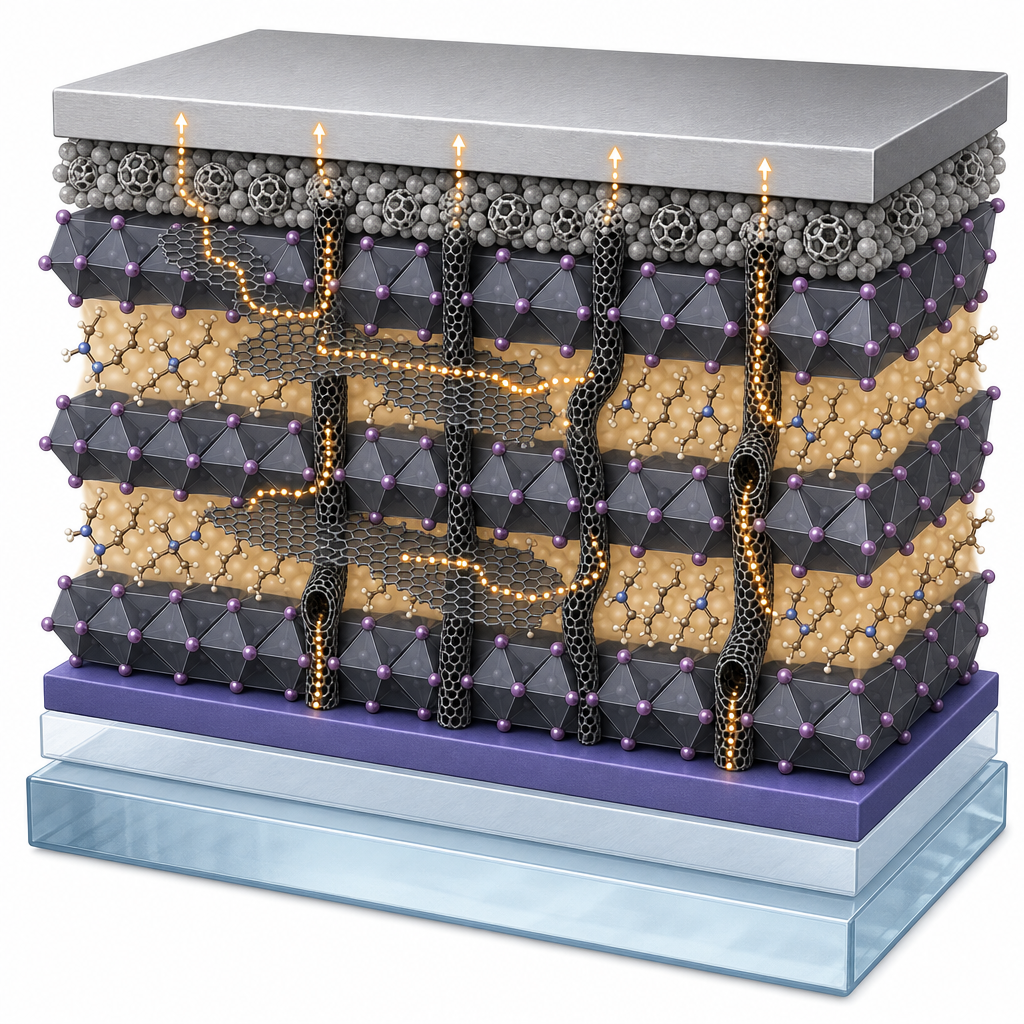
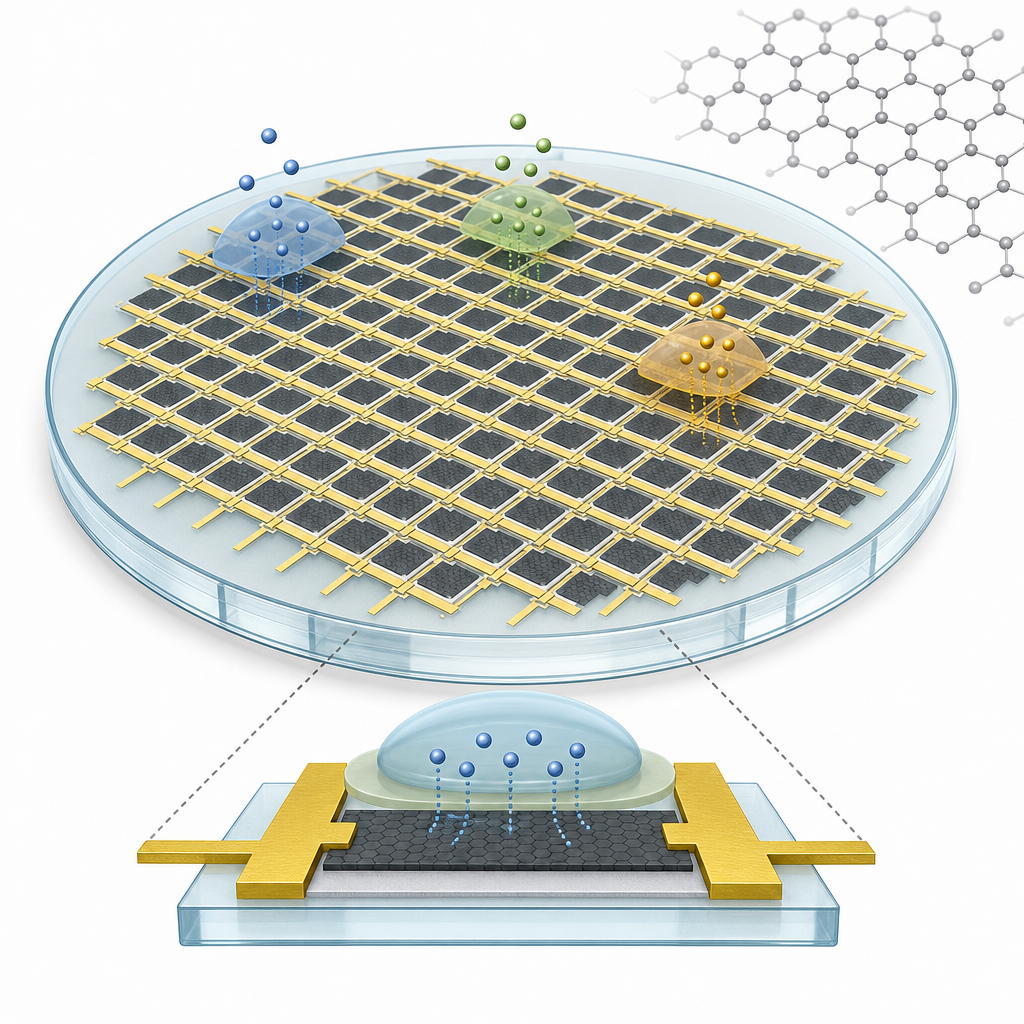
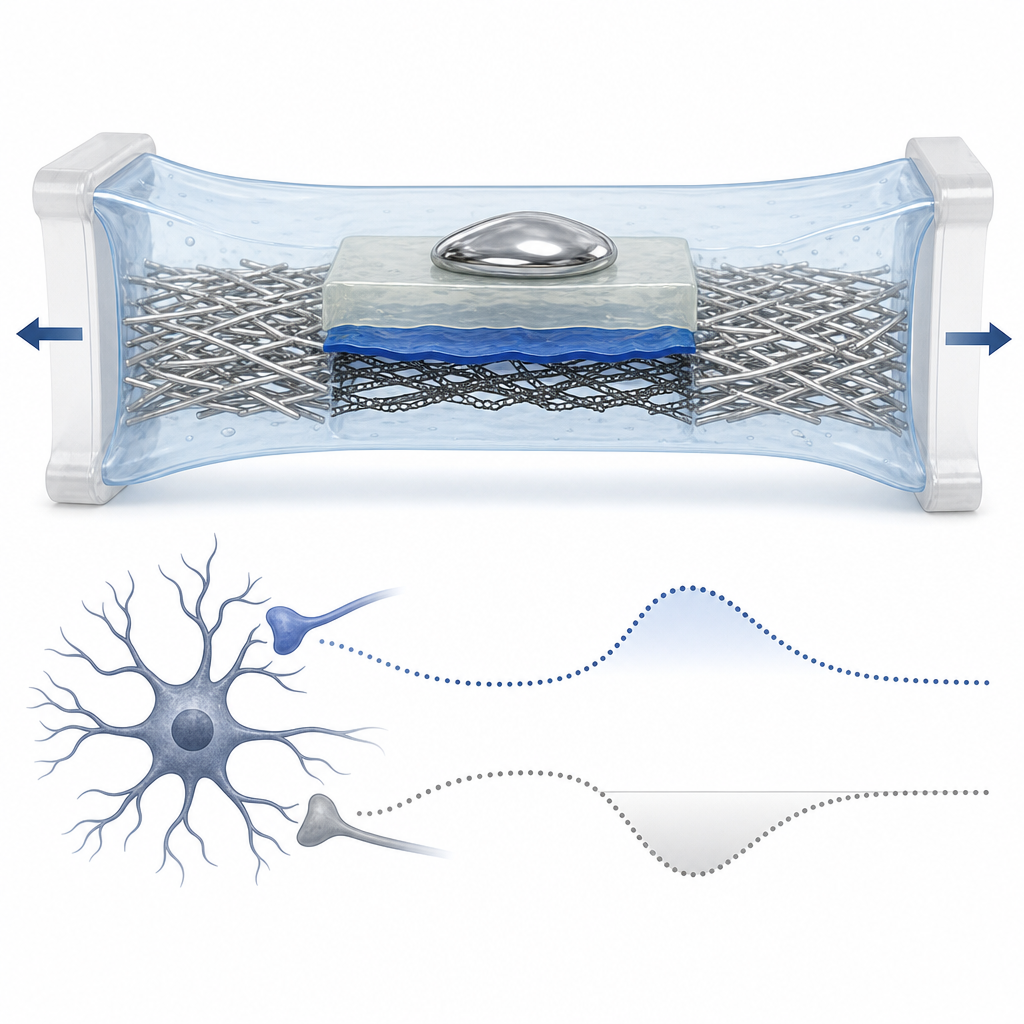
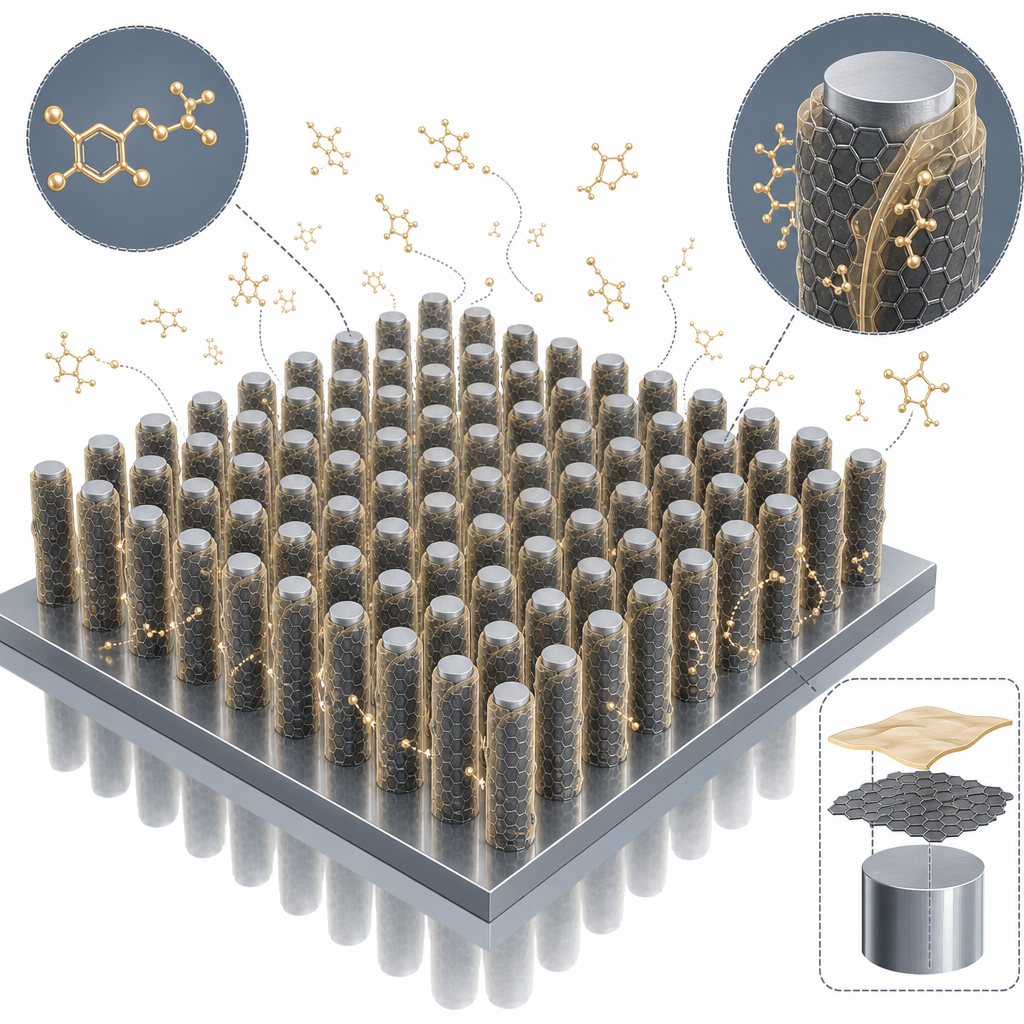
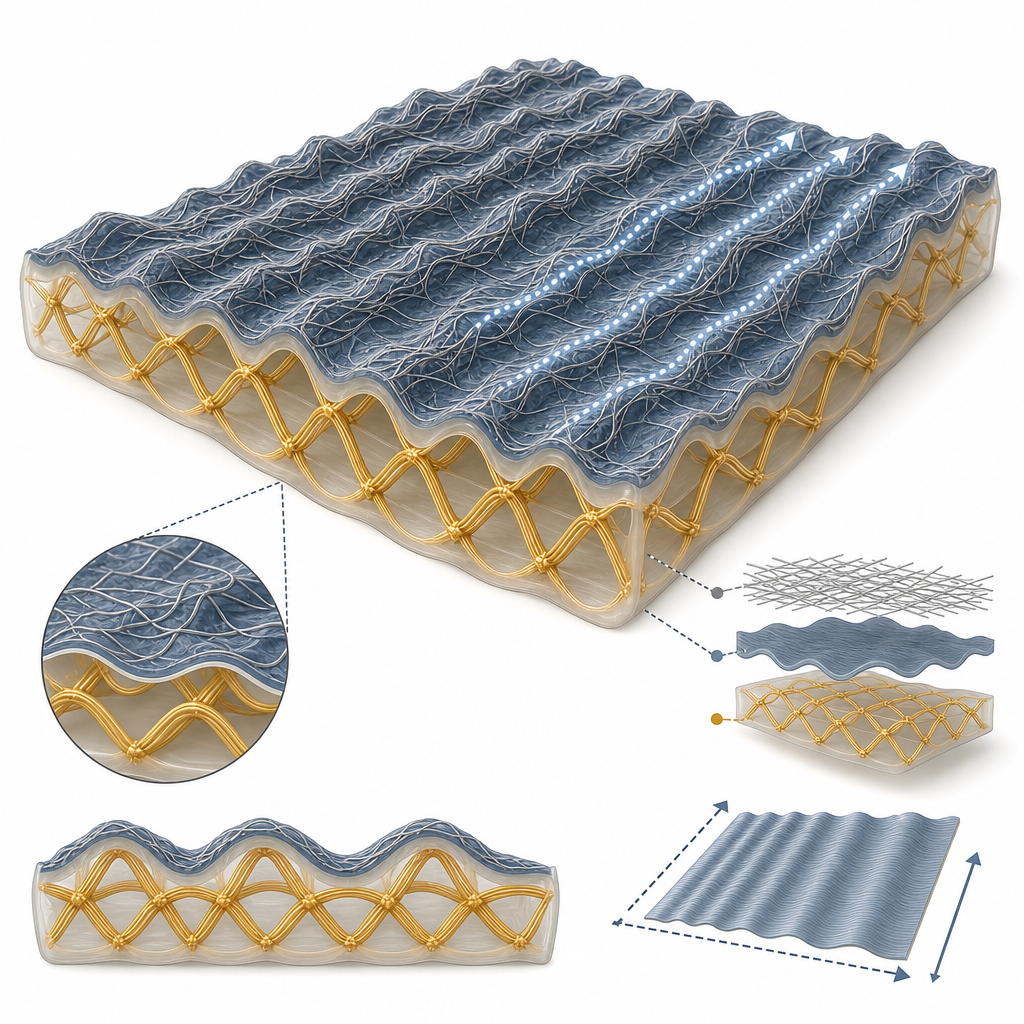
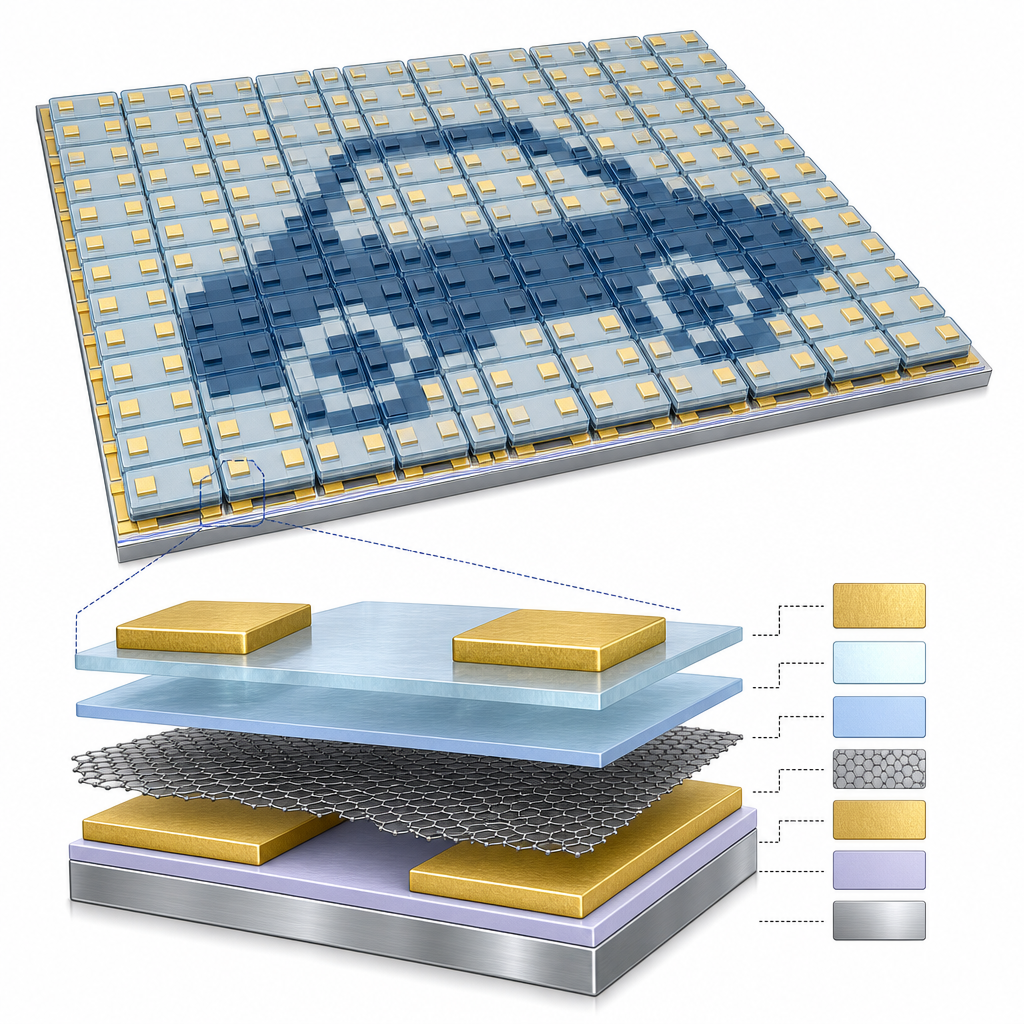
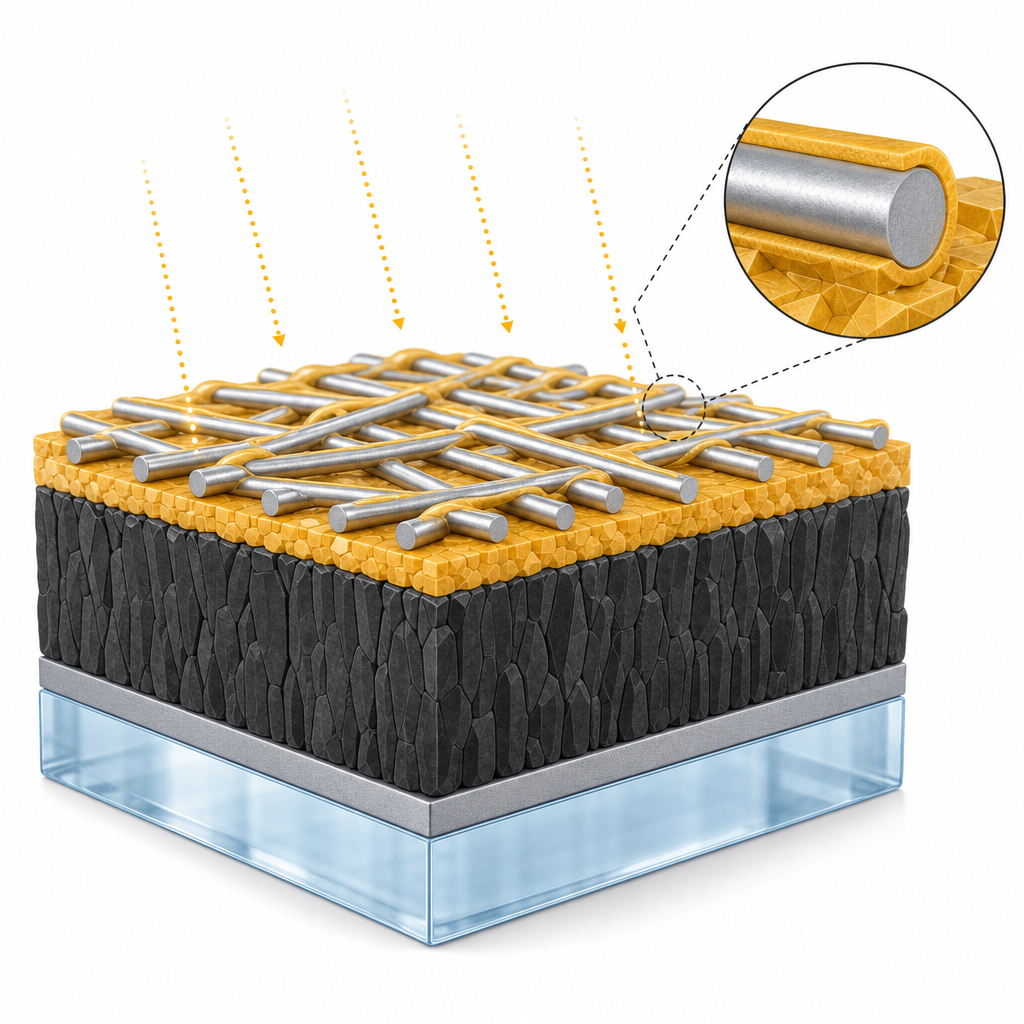
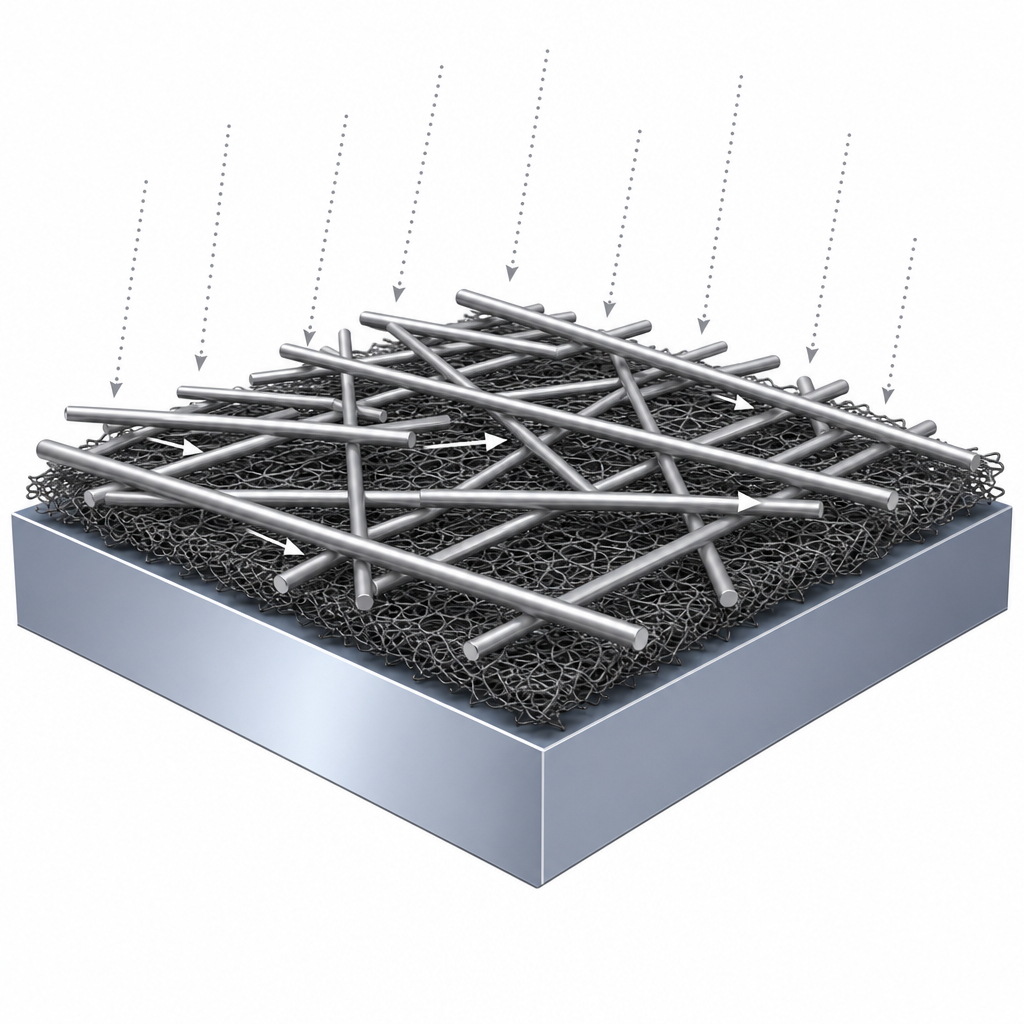
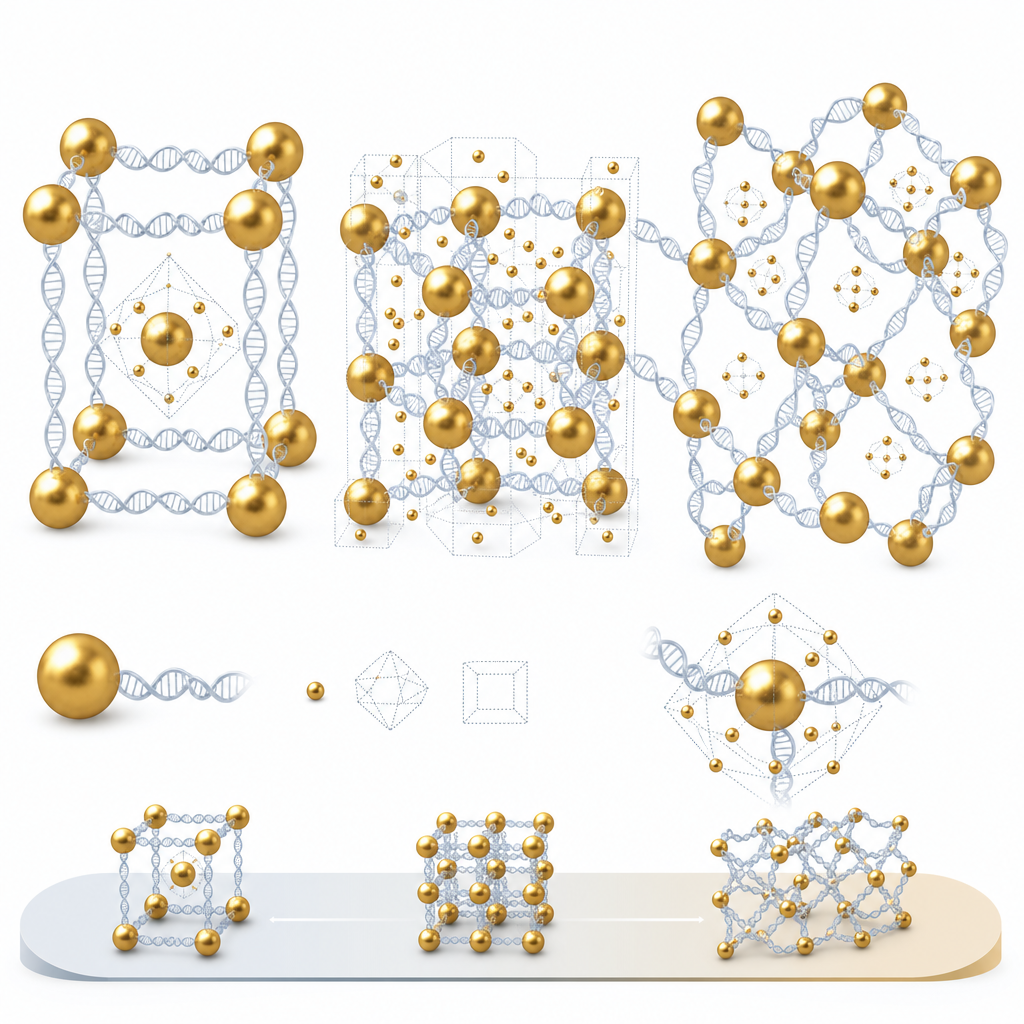
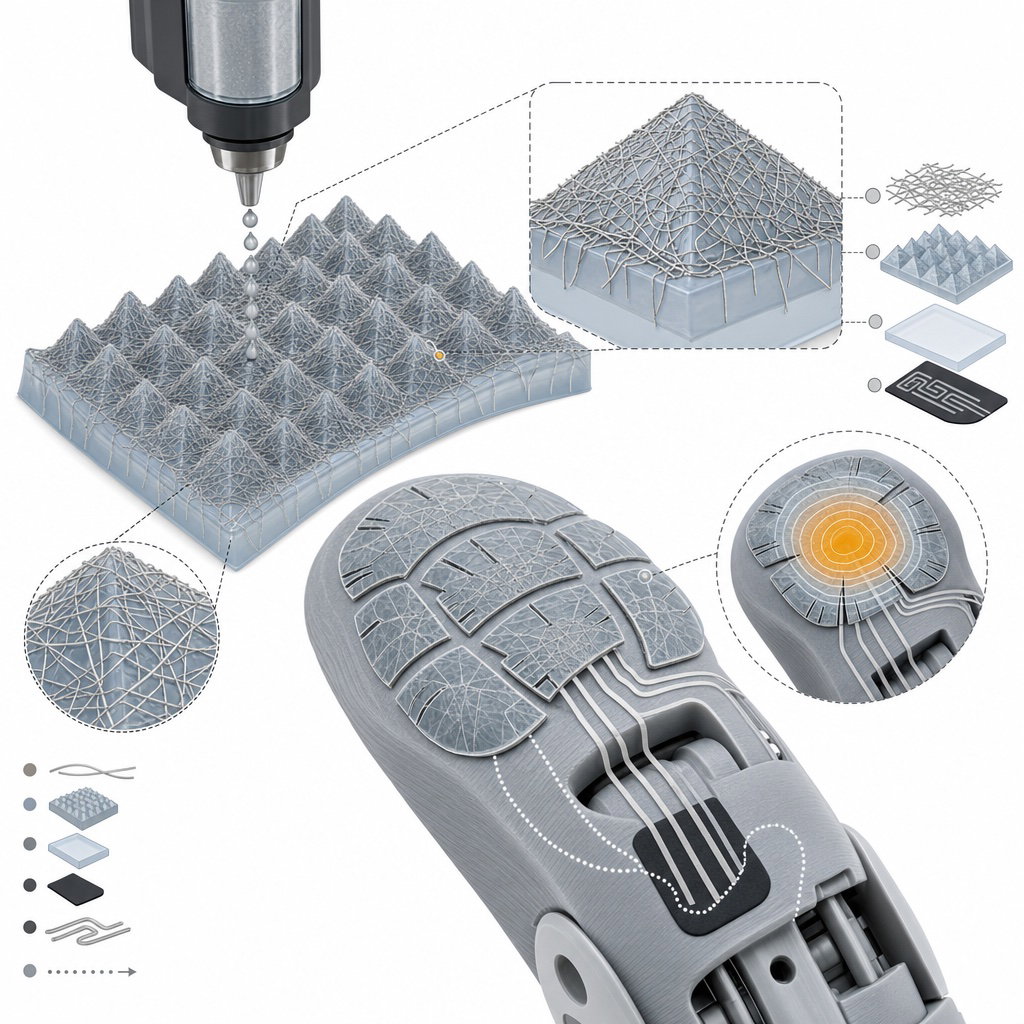
Cai, L. et al. (2018). Direct printing for additive patterning of silver nanowires for stretchable sensor and display applications. *Advanced Materials Technologies*. https://doi.org/10.1002/admt.201700232Electrical and Computer Engineering Michigan State University East Lansing MI 48824 USA · Advanced Materials Technologies · 2018Researchers at Michigan State University directly printed ACS Material silver nanowires into biaxially stretchable conductors, pressure sensor arrays, and EL displays.
About this research
Researchers at Electrical and Computer Engineering Michigan State …
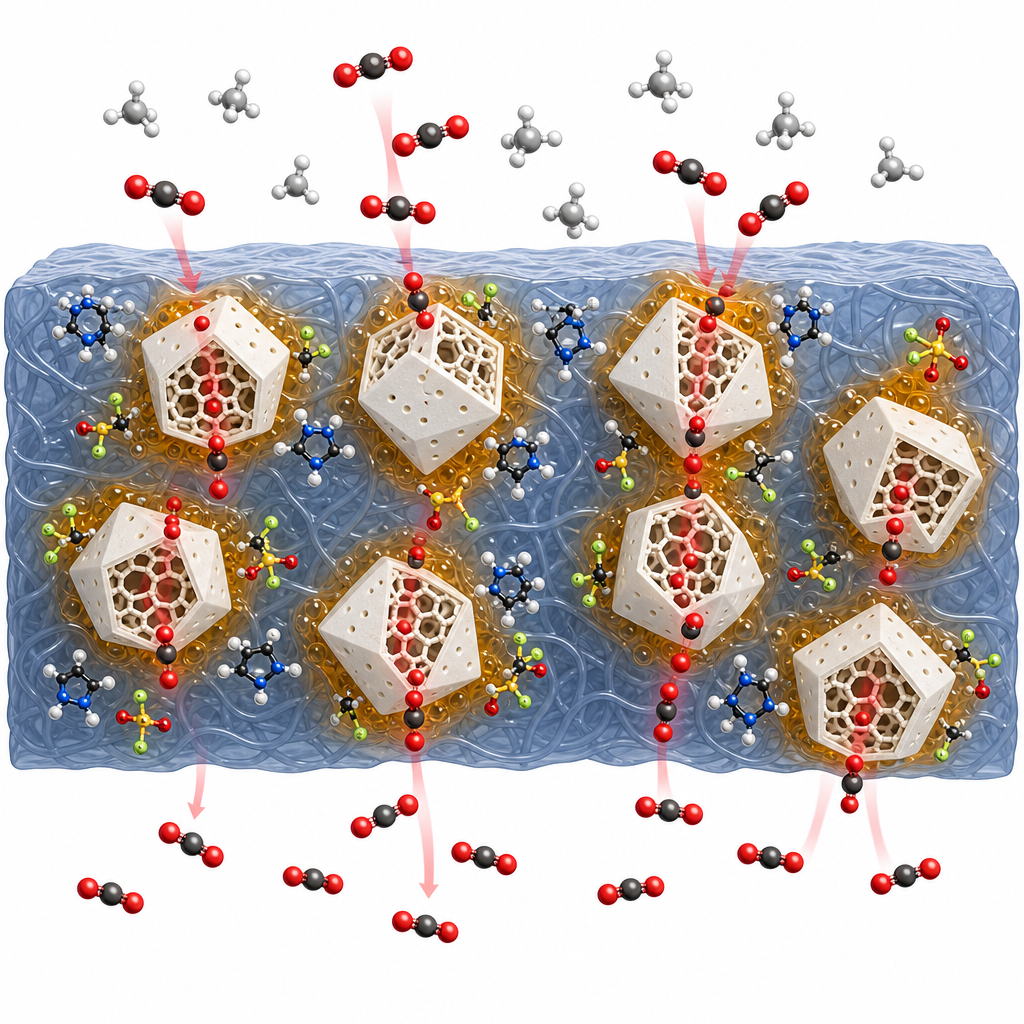
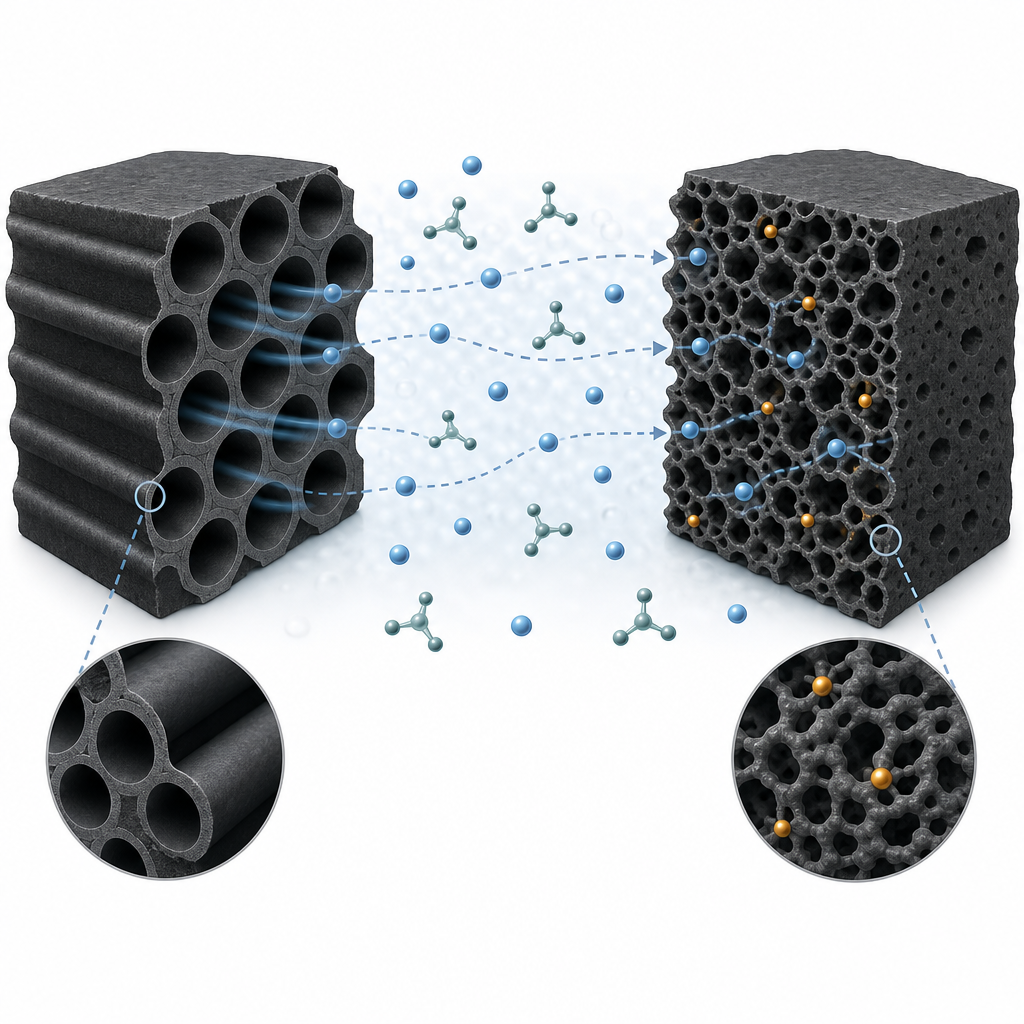
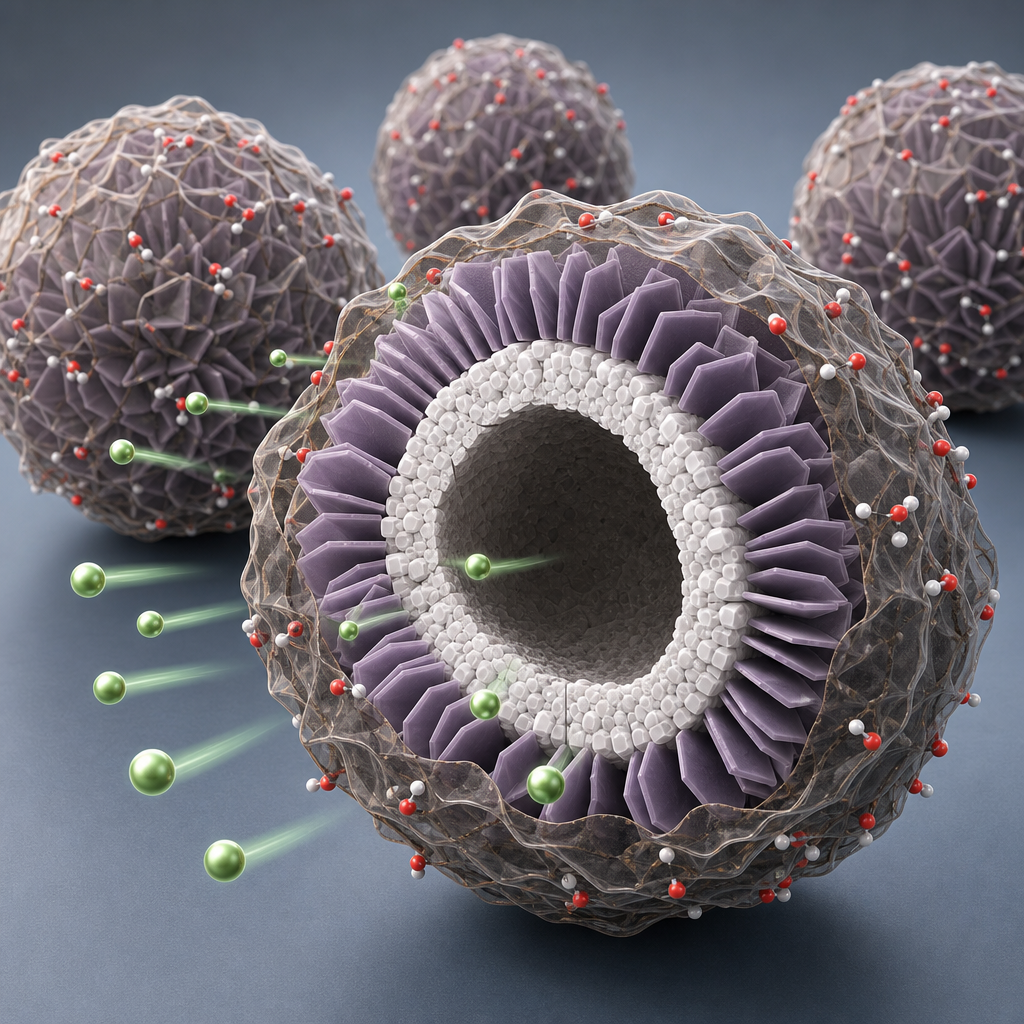
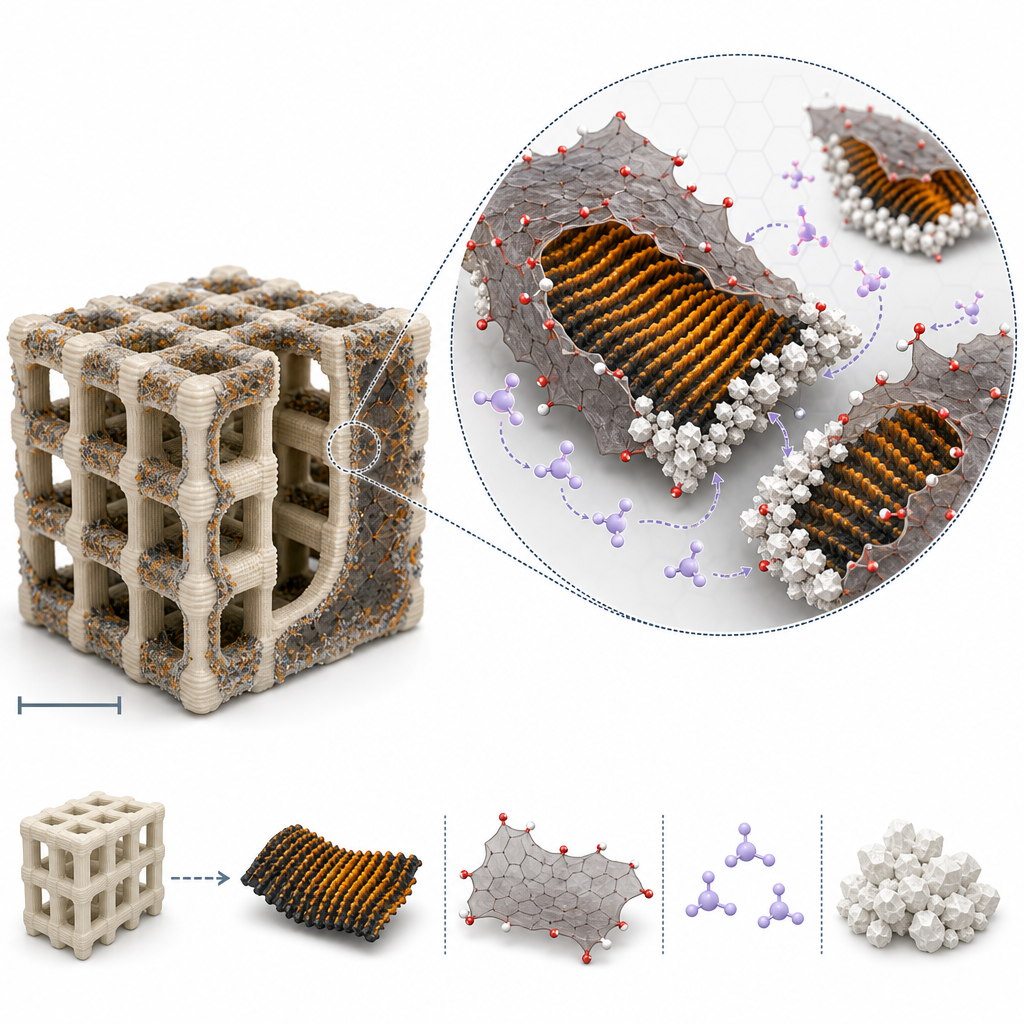
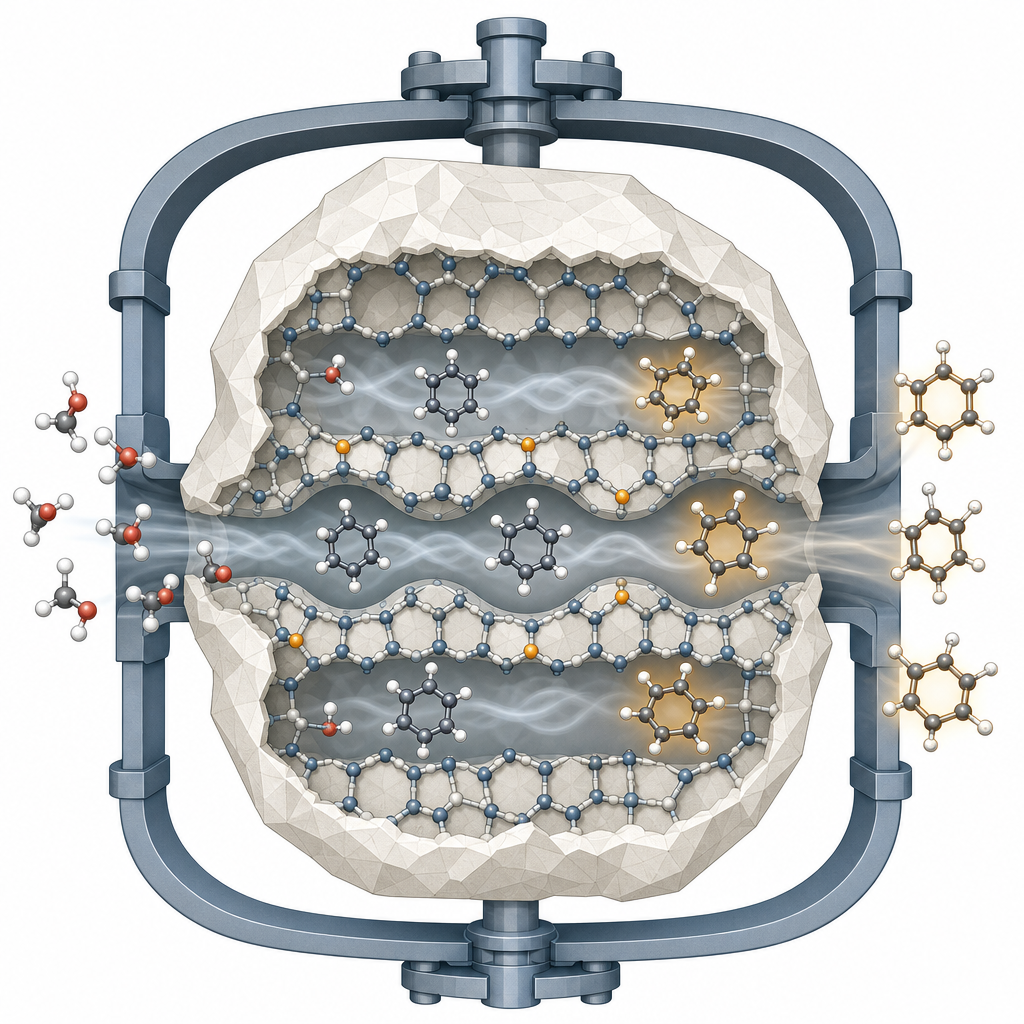
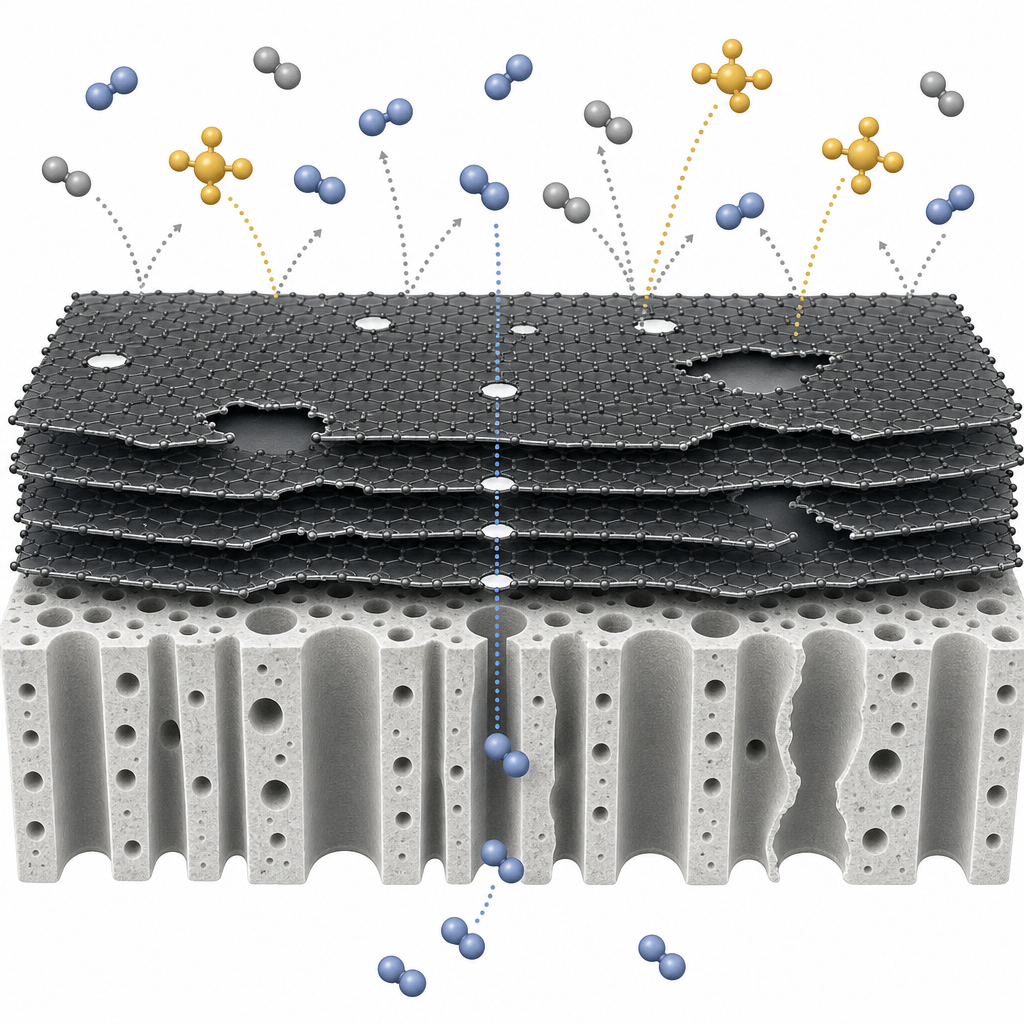
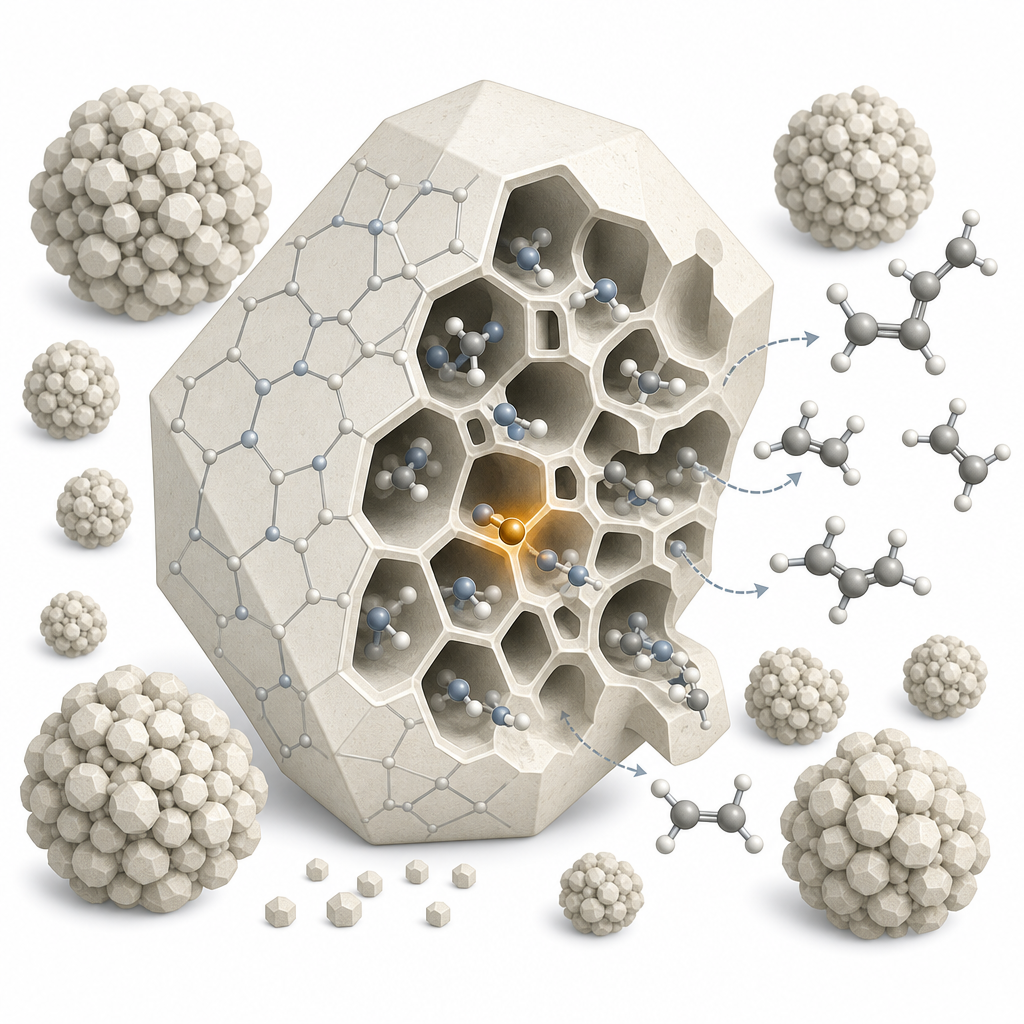
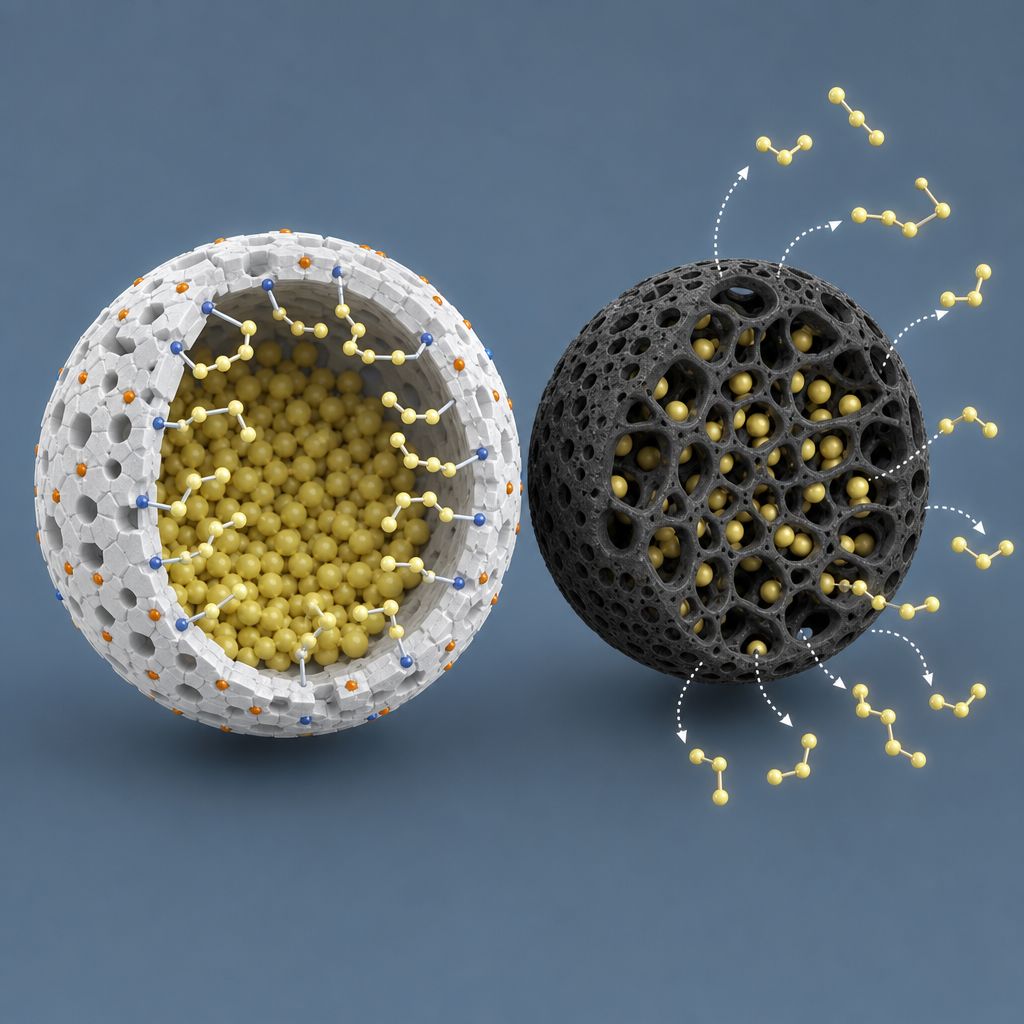
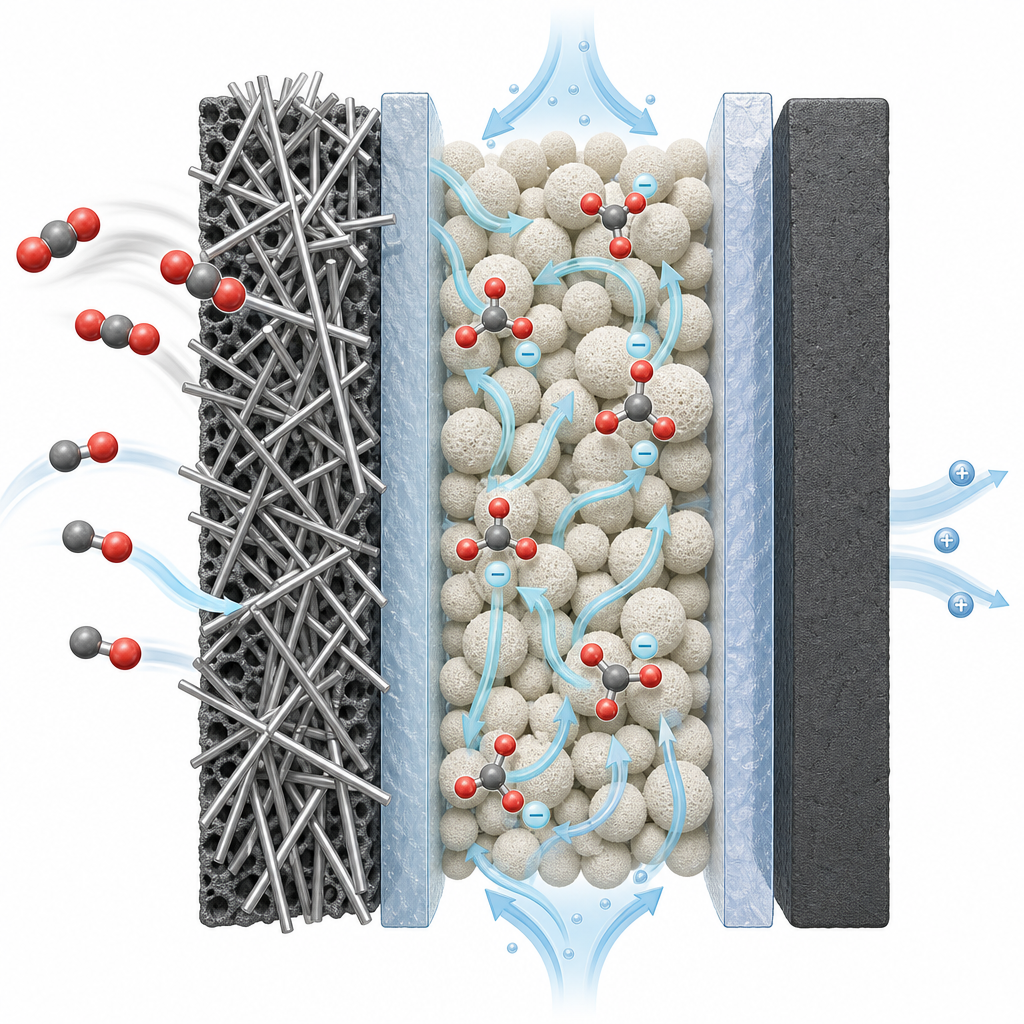
Mohshim, D. F., Mukhtar, H., & Man, Z. (2018). A study on carbon dioxide removal by blending the ionic liquid in membrane synthesis. *Separation and Purification Technology*. https://doi.org/10.1016/j.seppur.2017.06.034Separation and Purification Technology · 2018Researchers blended ACS Material SAPO-34 with PES and emim[Tf2N] ionic liquid to fabricate mixed matrix membranes with improved CO2/CH4 selectivity for natural gas sweetening.
About this research
Researchers at Universiti Teknologi PETRONAS used commercial SAPO-34 molecular sieve powder purchased from ACS Material to …
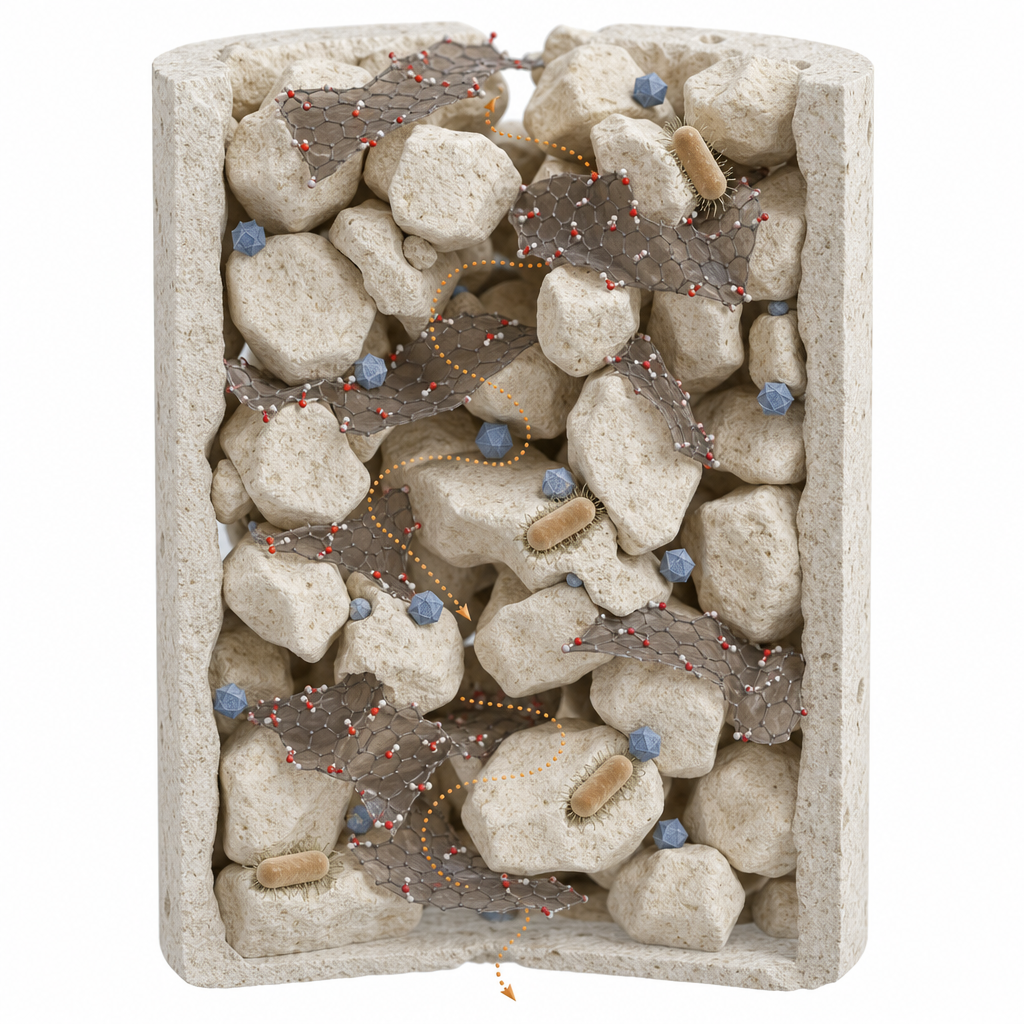
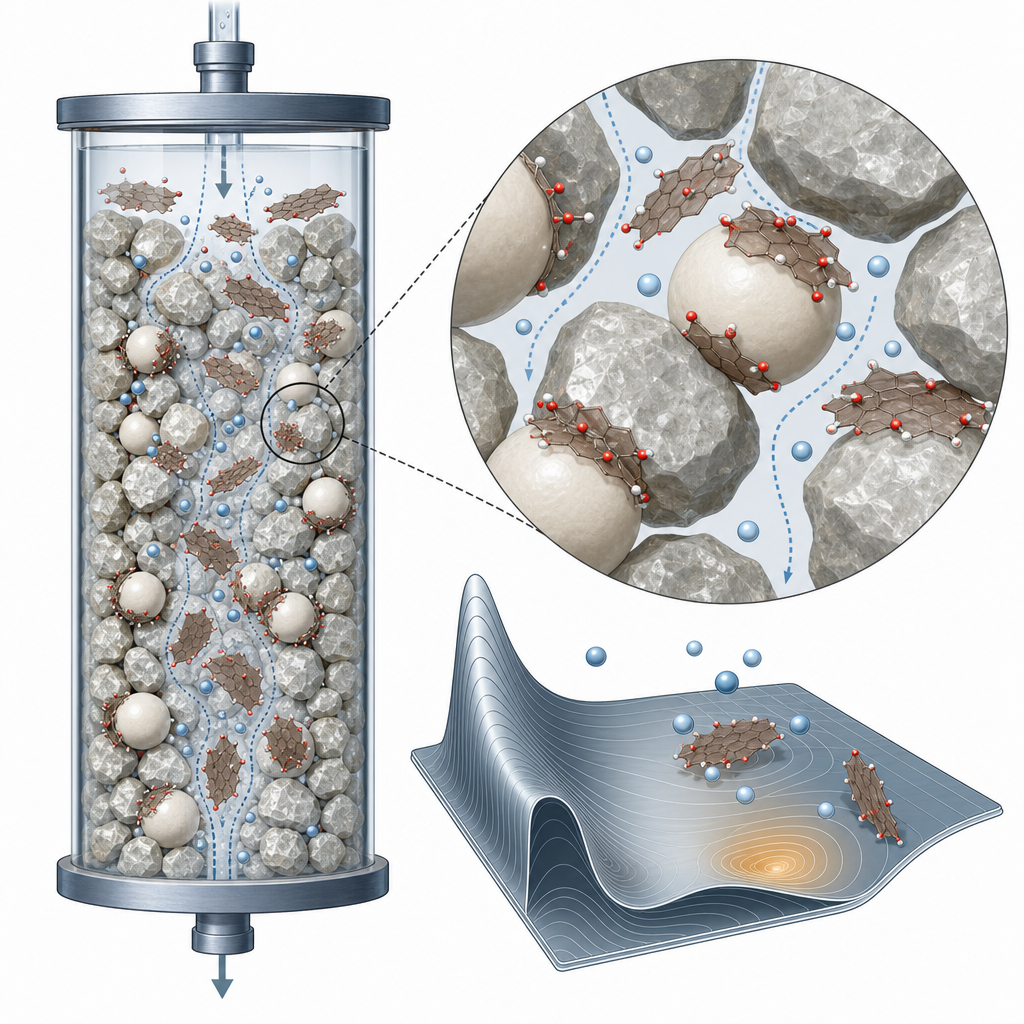
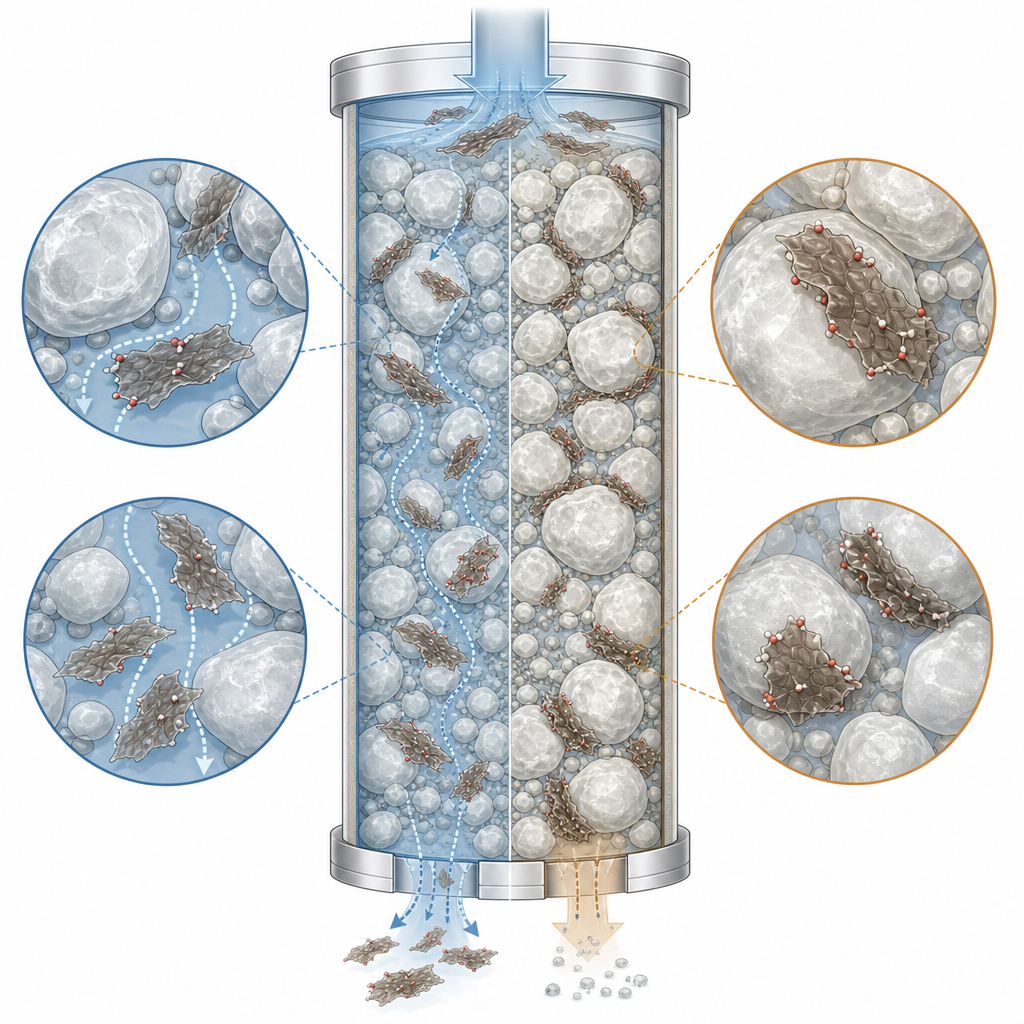
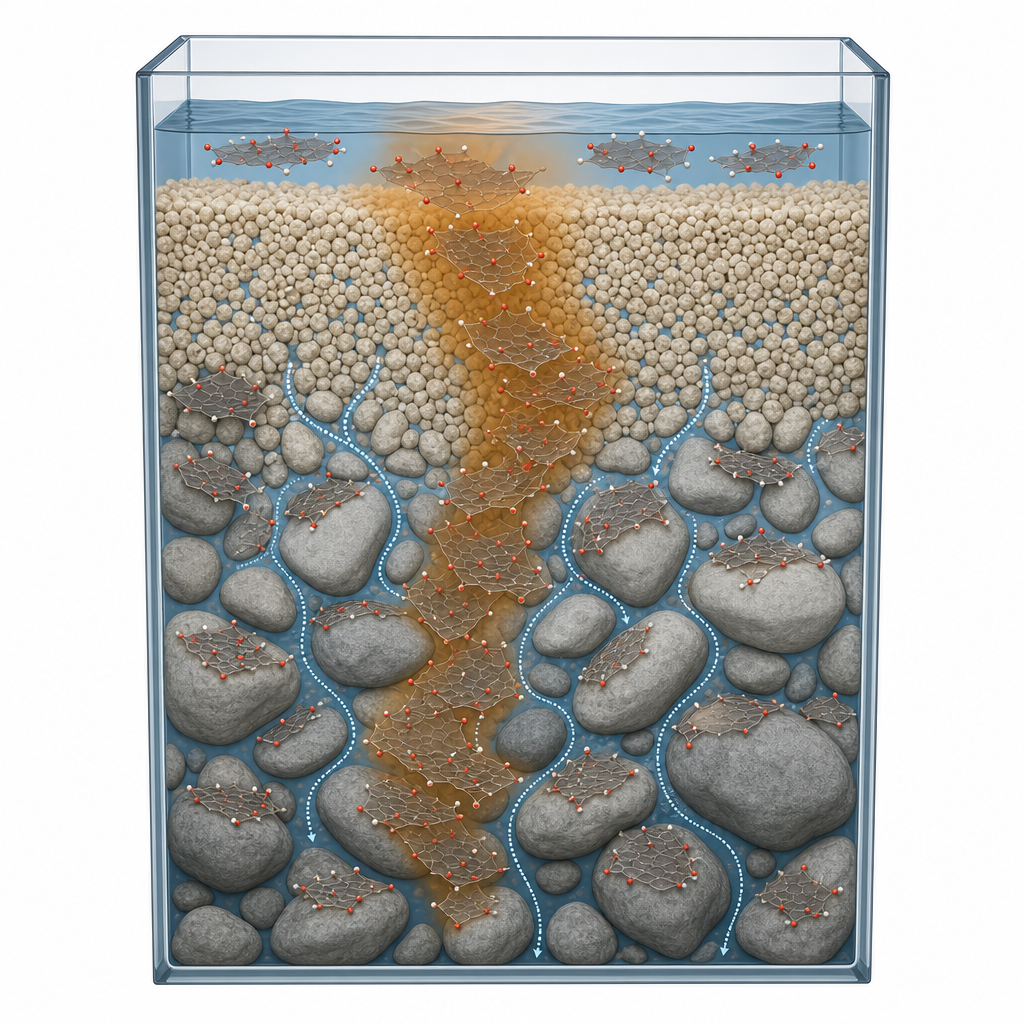
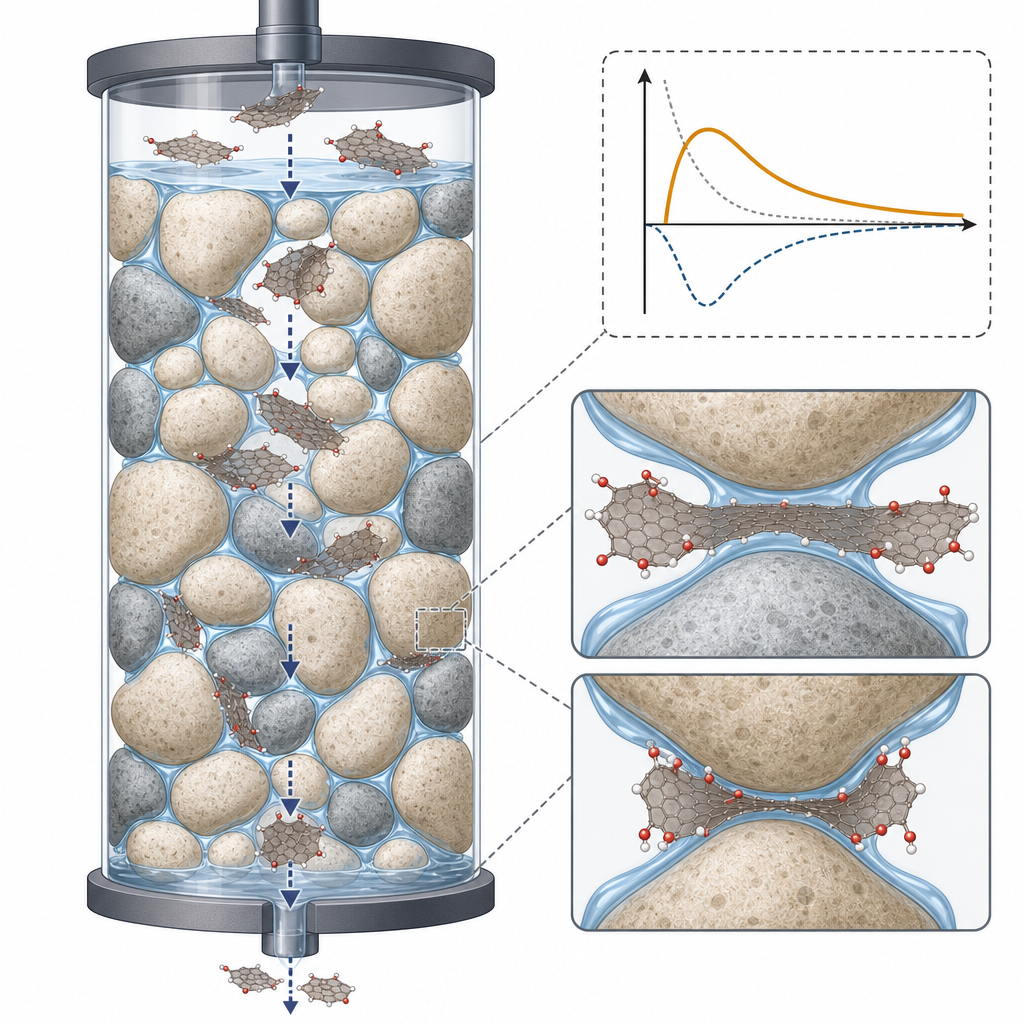
Esfahani, A. et al. (2020). Effect of bacteria and virus on transport and retention of graphene oxide nanoparticles in natural limestone sediments. *Chemosphere*.Chemosphere · 2020Flinders University researchers used ACS Material single-layer graphene oxide to study how bacteria and viruses affect nanoparticle transport in limestone aquifers.
About this research
Researchers at Flinders University used single-layer graphene oxide nanoparticles purchased from ACS Material (Medford, MA) to evaluate how co-present microorganisms influence the transport and retention of graphene oxide …
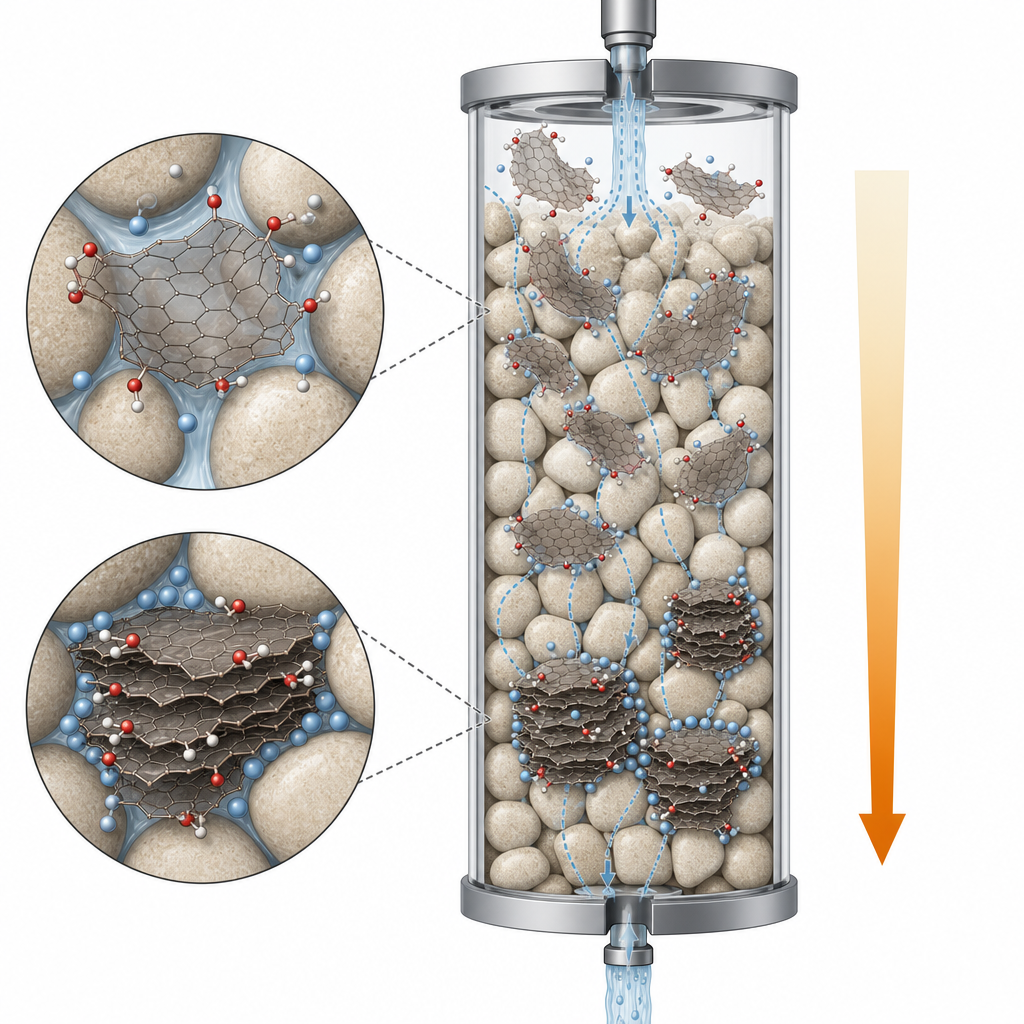
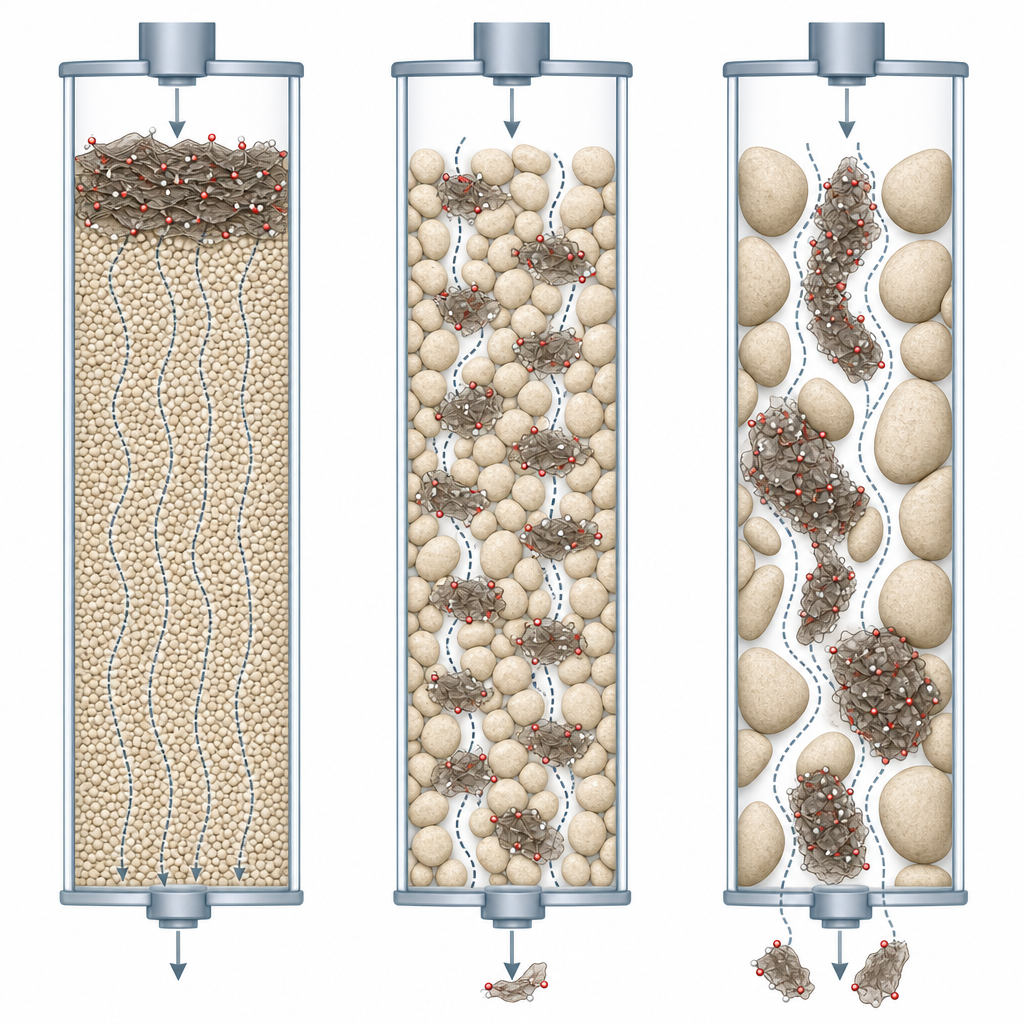
Wang, M. et al. (2018). Concurrent aggregation and transport of graphene oxide in saturated porous media: Roles of temperature, cation type, and electrolyte concentration. *Environmental Pollution*.Environmental Pollution · 2018Hohai University and University of Florida researchers used ACS Material graphene oxide to study concurrent aggregation and transport in saturated porous media.
About this research
Researchers from Hohai University, in collaboration with the University of Florida, used graphene oxide (GO) nanosheets supplied by ACS Material to systematically map how temperature, …
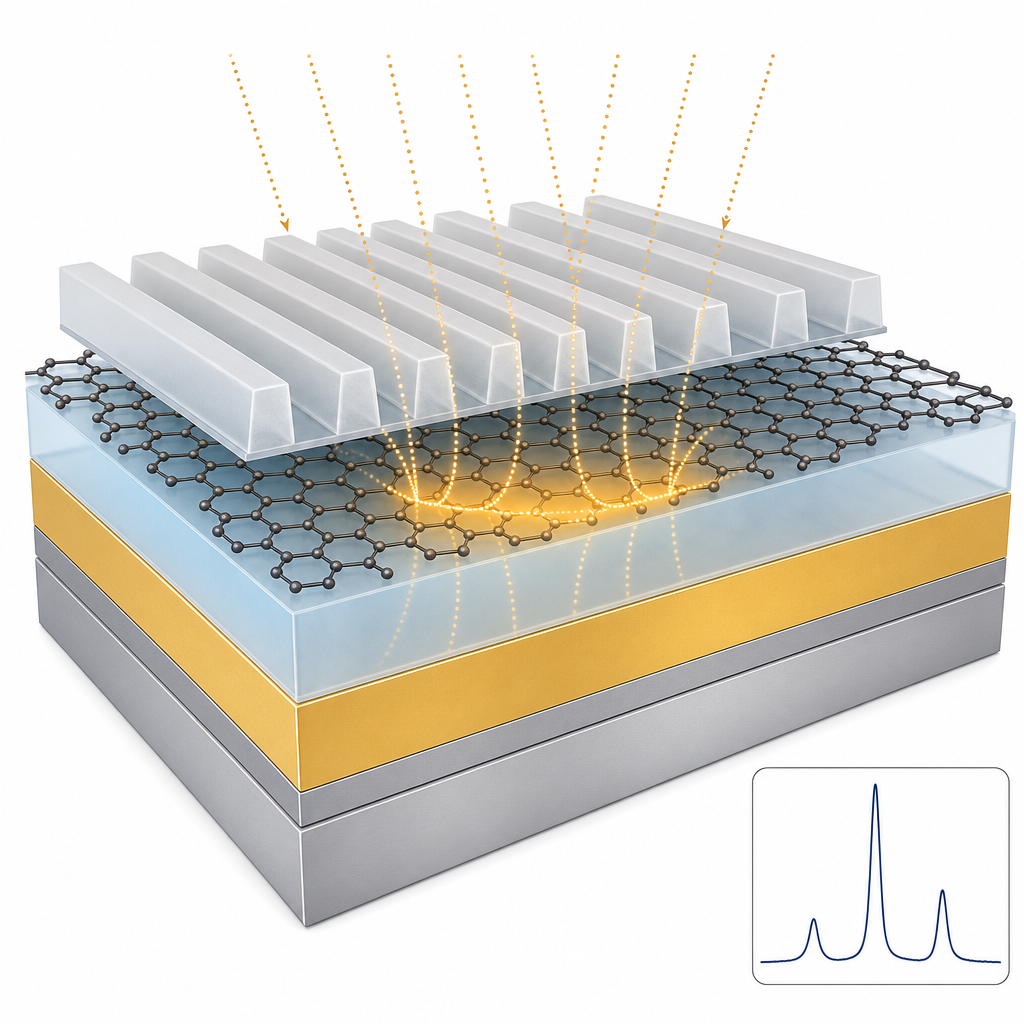
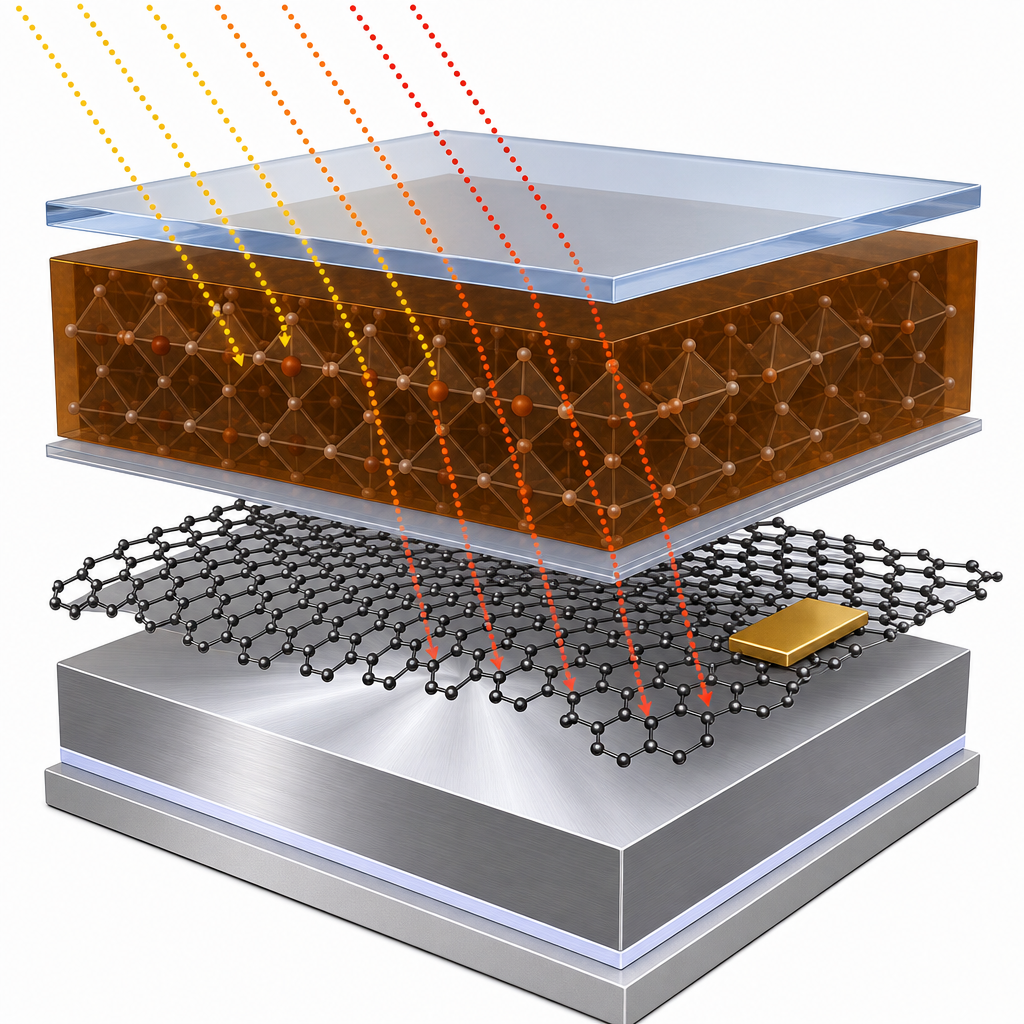
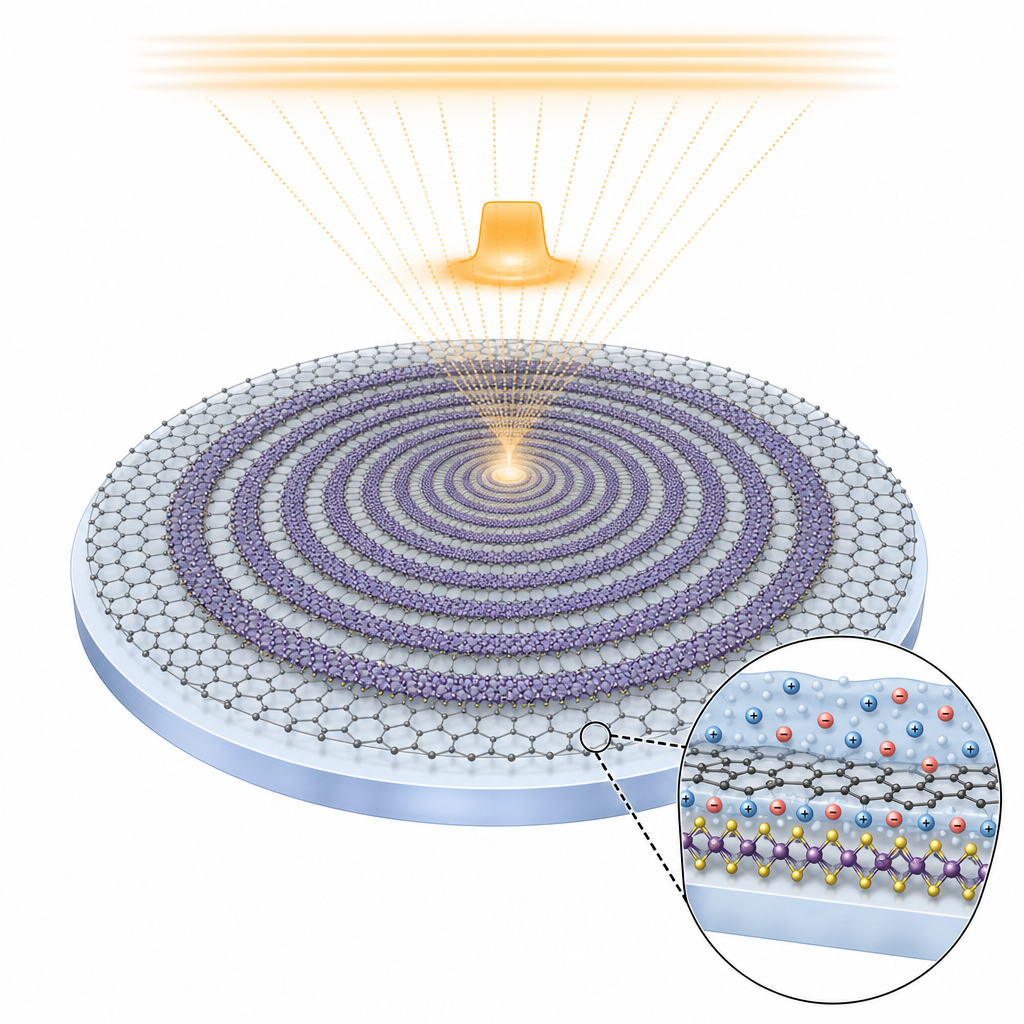
Guo, C. et al. (2016). Experimental Demonstration of Total Absorption over 99% in the Near Infrared for Monolayer‐Graphene‐Based Subwavelength Structures. *Advanced Optical Materials*. https://doi.org/10.1002/adom.201600481College of Optoelectronic Science and Engineering National University of Defense Technology Changsha Hunan 410073 China · Advanced Optical Materials · 2016Researchers at National University of Defense Technology used ACS Material monolayer graphene to demonstrate over 99% near-infrared absorption at 1.5 μm.
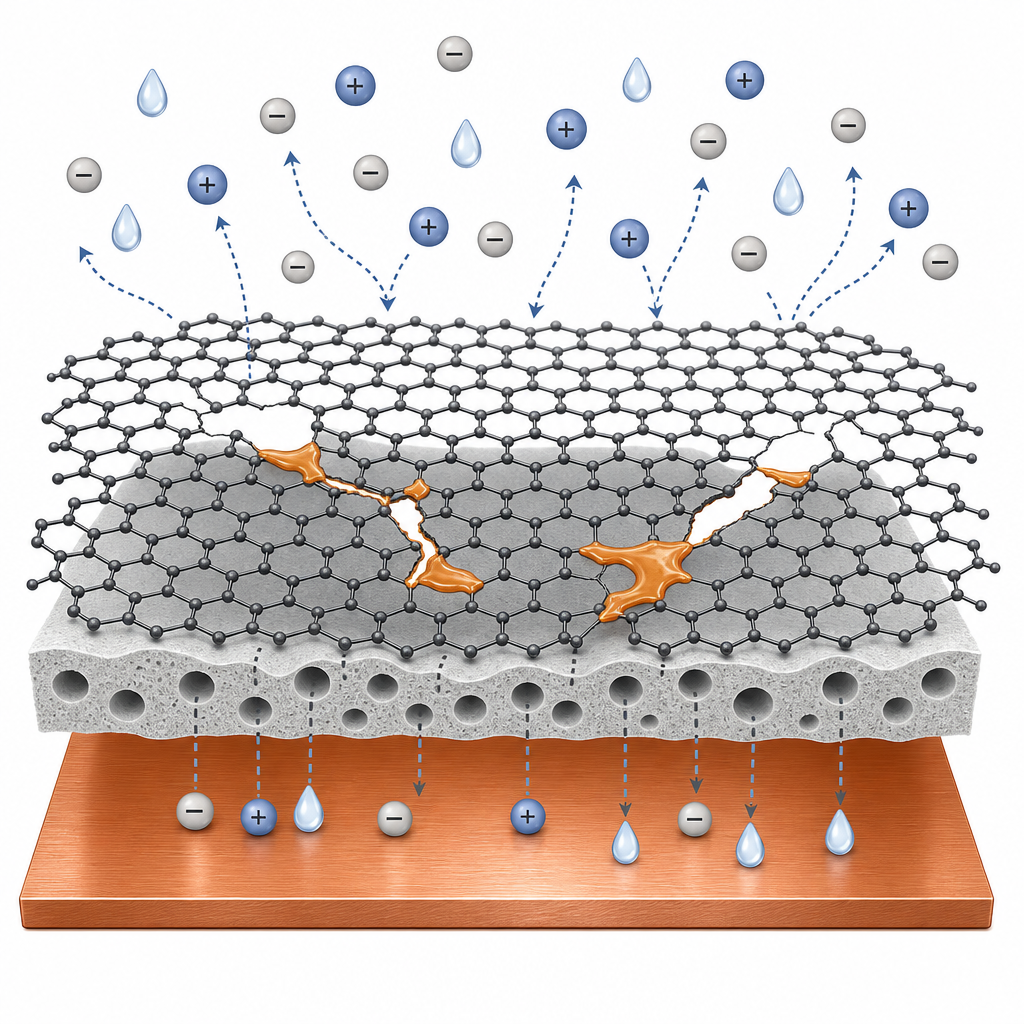
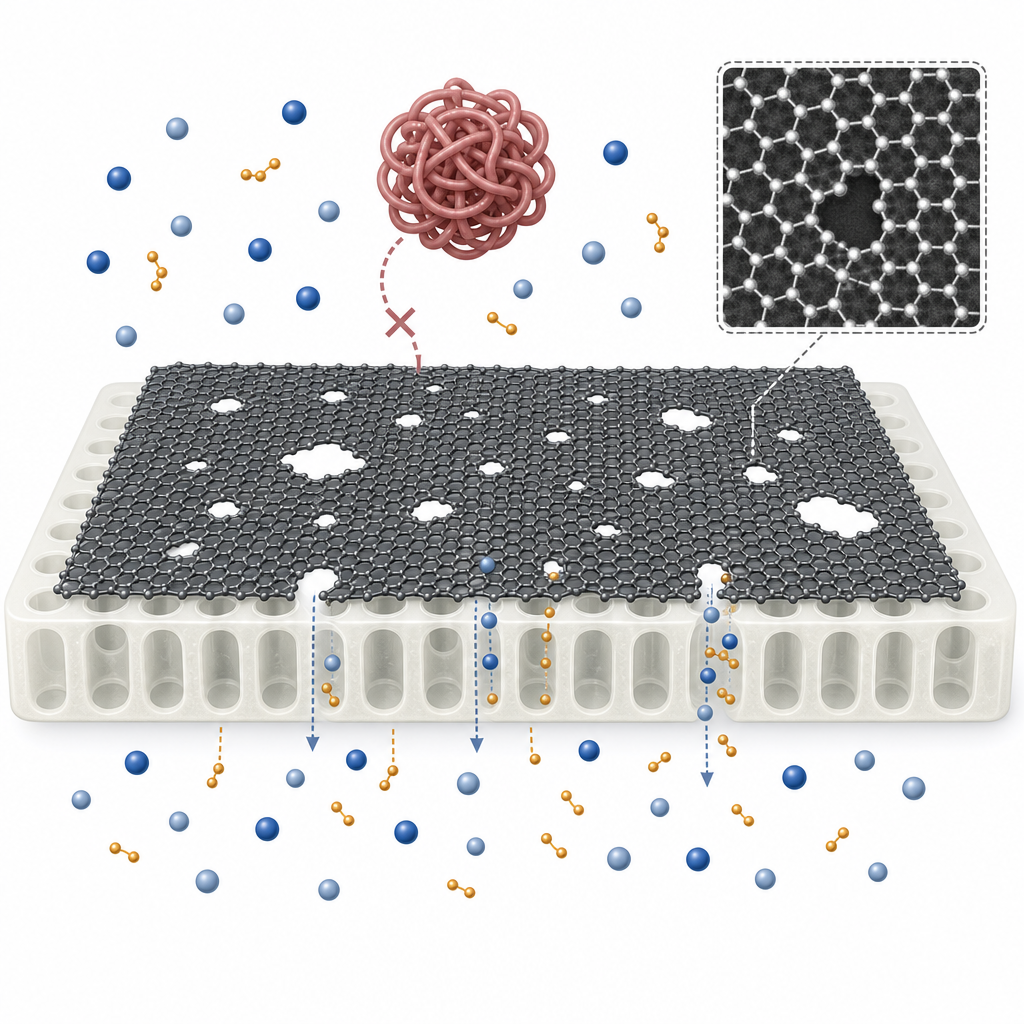
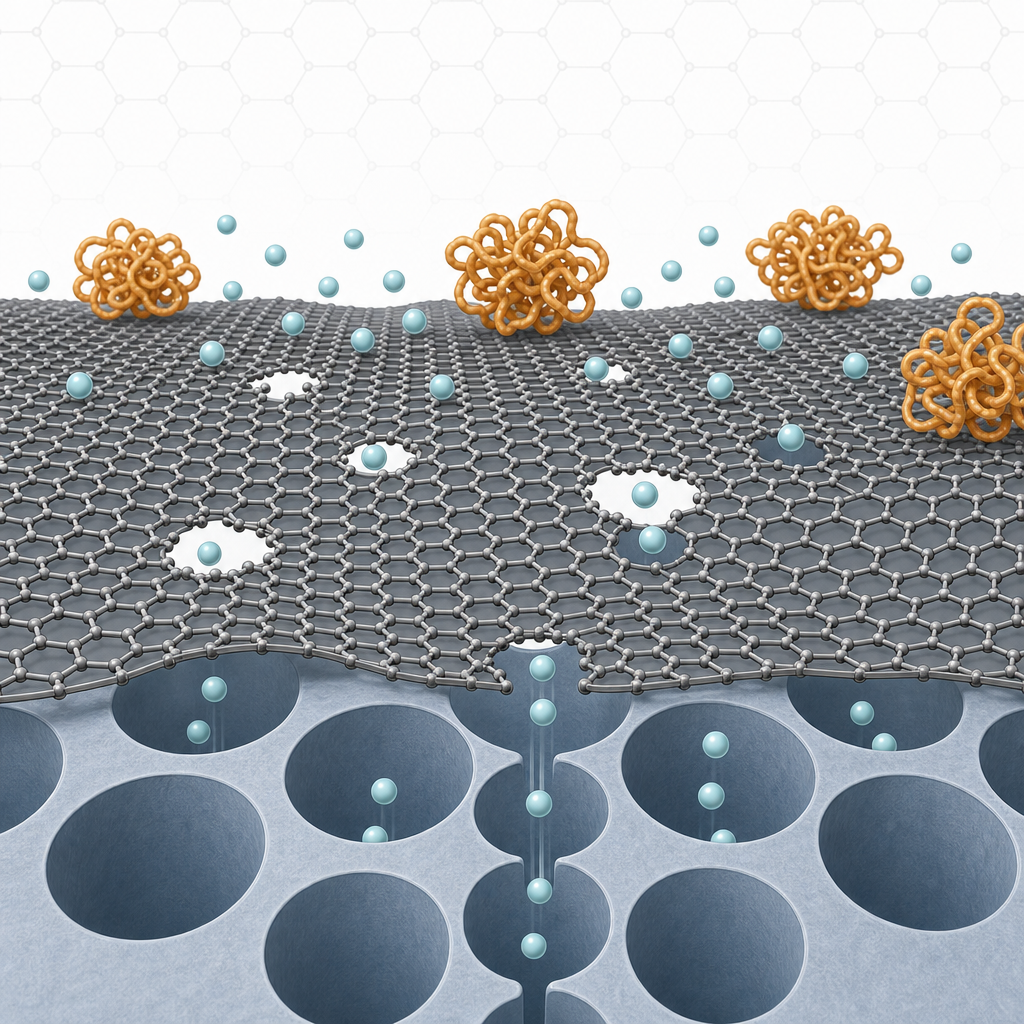
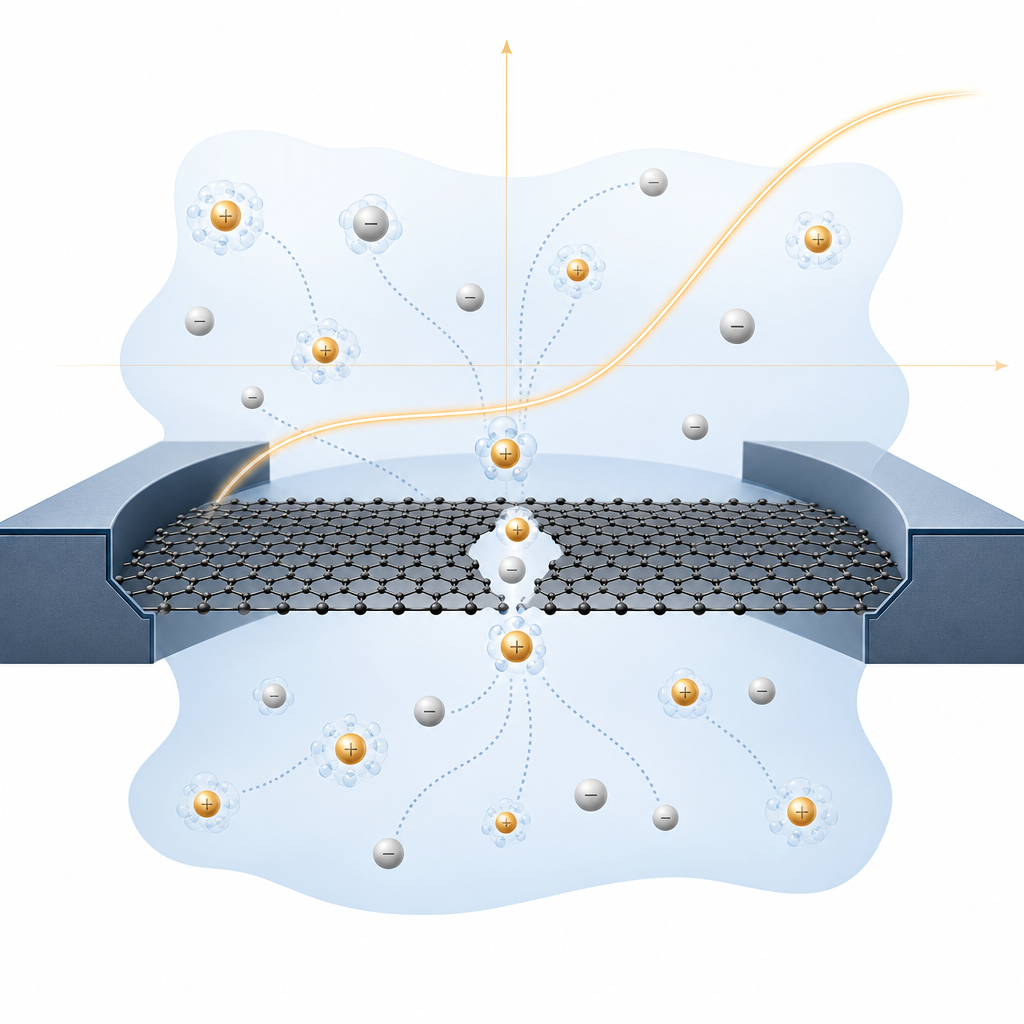
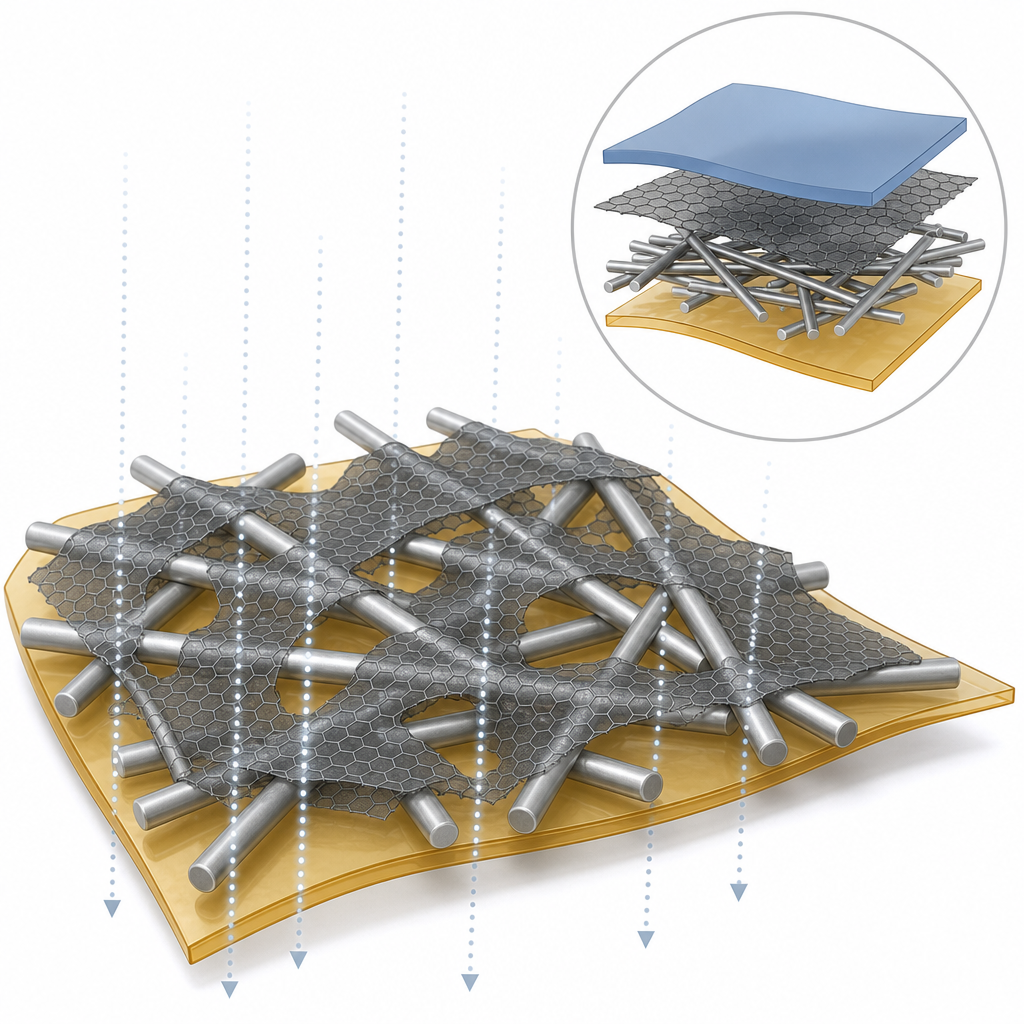
Kafiah, F. et al. (2016). Monolayer graphene transfer onto polypropylene and polyvinylidenedifluoride microfiltration membranes for water desalination. *Desalination*.Desalination · 2016KFUPM and MIT researchers transferred ACS Material CVD monolayer graphene onto PP and PVDF membranes, reaching 84% KCl ion blockage after defect sealing.
About this research
Researchers at King Fahd University of Petroleum & Minerals (KFUPM), collaborating with the Massachusetts Institute of Technology and Qatar Foundation's HBKU, used ACS Material monolayer CVD graphene grown on 25 μm copper foil …
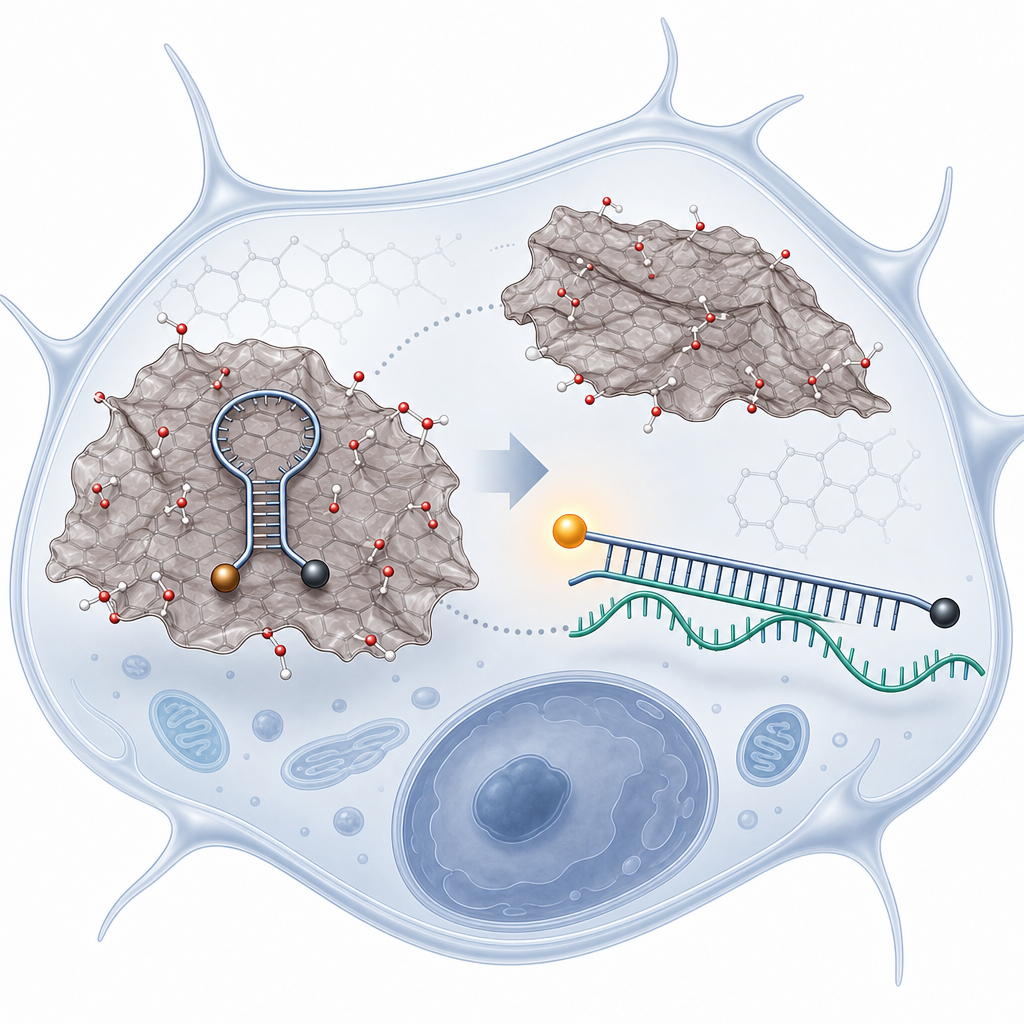
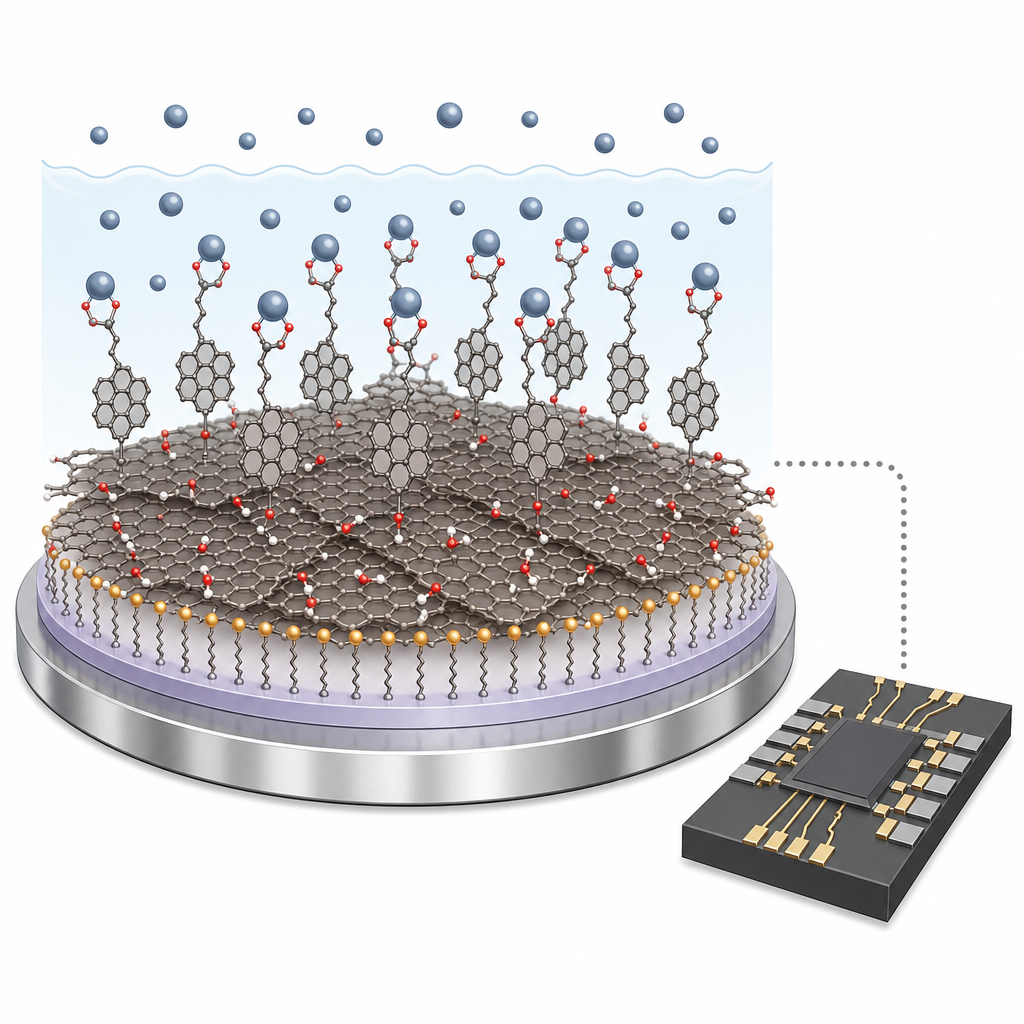
Stobiecka, M. et al. (2016). Sensing of survivin mRNA in malignant astrocytes using graphene oxide nanocarrier-supported oligonucleotide molecular beacons. *Sensors and Actuators B: Chemical*. https://doi.org/10.1016/j.snb.2016.04.176Sensors and Actuators B: Chemical · 2016Researchers at Warsaw University of Life Sciences used single-layer graphene oxide nanosheets from ACS Material to deliver molecular beacons detecting survivin mRNA in U-87 glioma cells (LOD 24 nM).
About this research
Researchers at the Warsaw University of Life Sciences (SGGW) used single-layer graphene oxide …
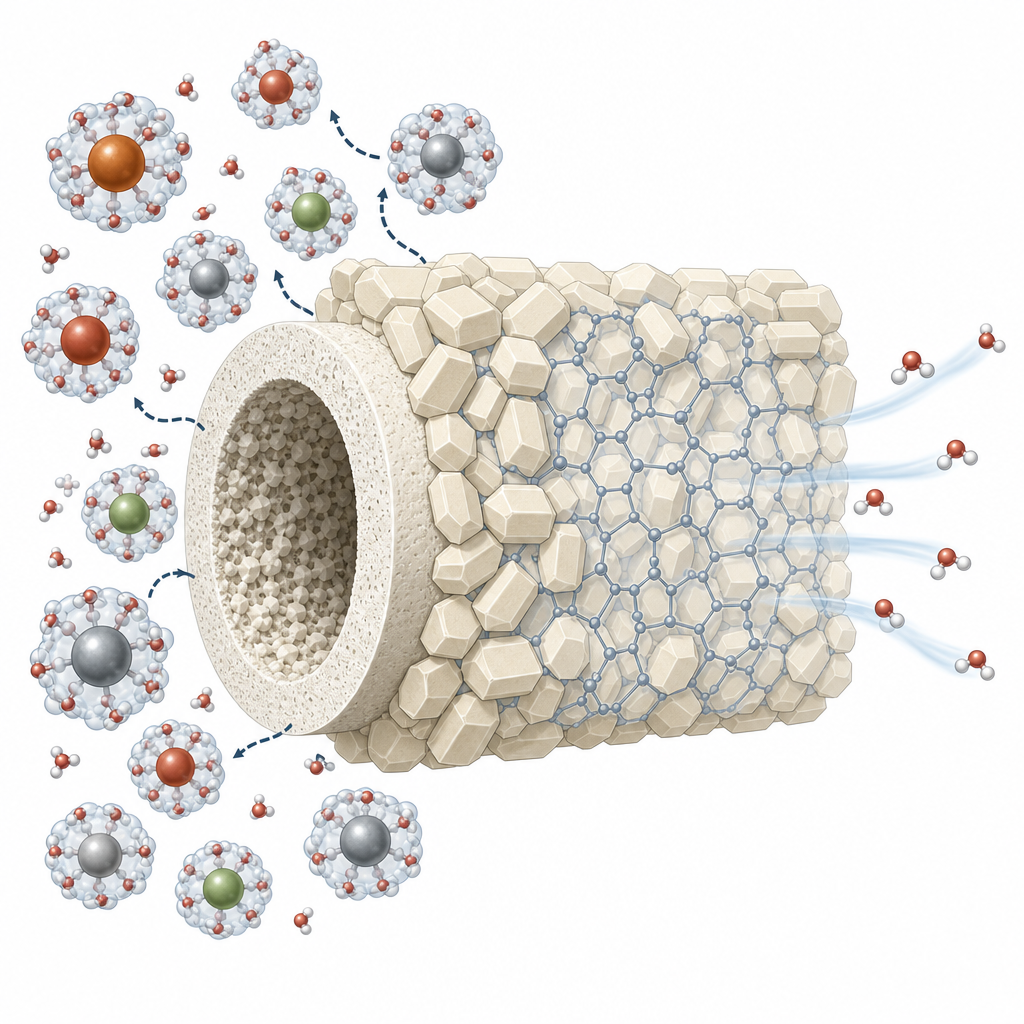
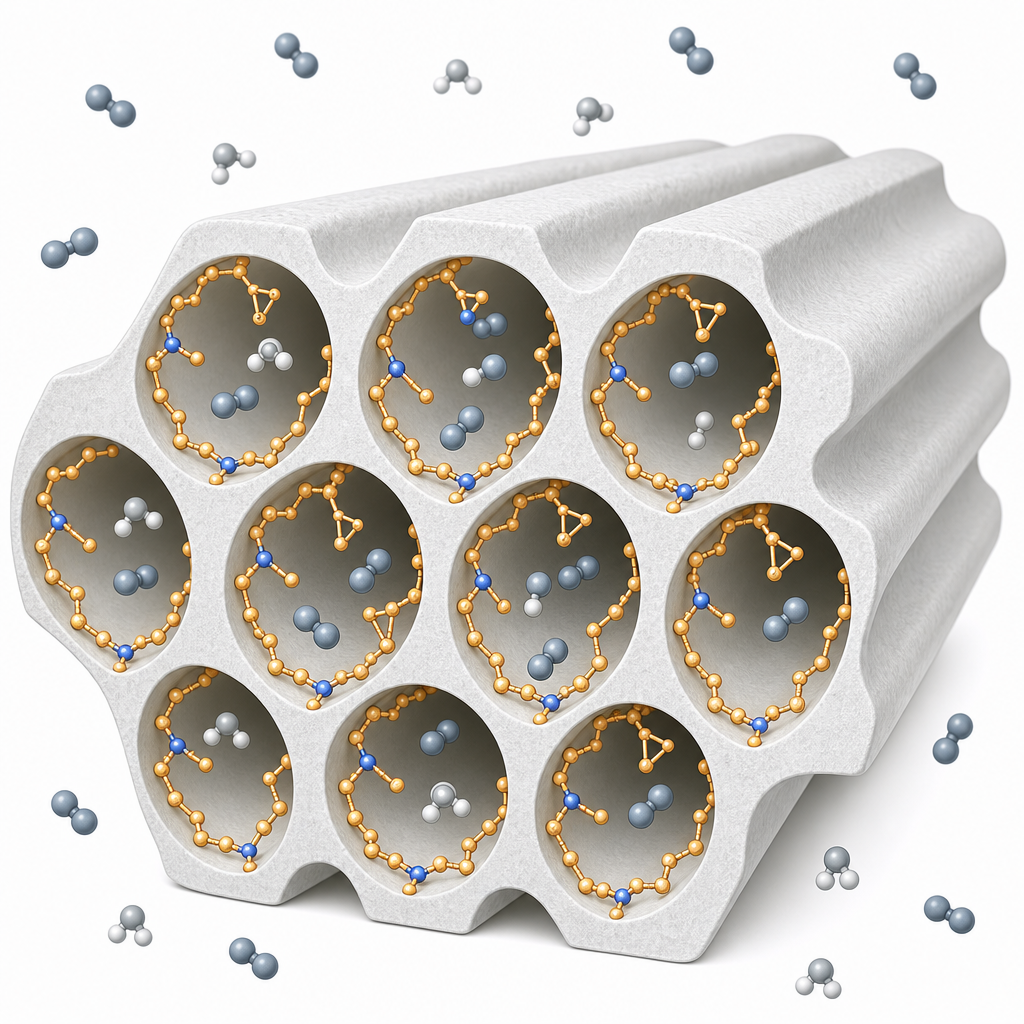
Zhu, B. et al. (2018). Diffusion behaviour of multivalent ions at low pH through a MFI-Type zeolite membrane. *Desalination*. https://doi.org/10.1016/j.desal.2017.09.033Desalination · 2018Victoria University researchers used ACS Material ZSM-5 seeds to grow an MFI zeolite membrane achieving 97% Fe3+ rejection from pH 2 multivalent ion solutions.
About this research
Researchers at Victoria University used MFI-type ZSM-5 zeolite seeds (SiO2/Al2O3 = 360) purchased from ACS Material to fabricate a tubular zeolite membrane that achieved 97% Fe3+ rejection from a highly acidic, …
Huang, K. et al. (2018). High and fast response of a graphene–silicon photodetector coupled with 2D fractal platinum nanoparticles. *Advanced Optical Materials*. https://doi.org/10.1002/adom.201700793State Key Laboratory of Silicon Materials and School of Materials Science and Engineering Zhejiang University Hangzhou Zhejiang 310027 China · Advanced Optical Materials · 2018Zhejiang University coupled ACS Material CVD graphene with 2D fractal Pt nanoparticles to build a Gr–Si photodetector with 26 A/W responsivity and 78 ns response.
Hu, M. et al. (2018). Performance improvement of graphene/silicon photodetectors using high work function metal nanoparticles with plasma effect. *Advanced Optical Materials*. https://doi.org/10.1002/adom.201701243State Key Laboratory of Silicon Materials School of Materials Science and Engineering Zhejiang University Hangzhou 310027 China · Advanced Optical Materials · 2018Zhejiang University researchers used ACS Material CVD graphene on copper foil to build Gr/Si photodetectors with 1.68 × 10^7 A/W responsivity and 180 ns response.
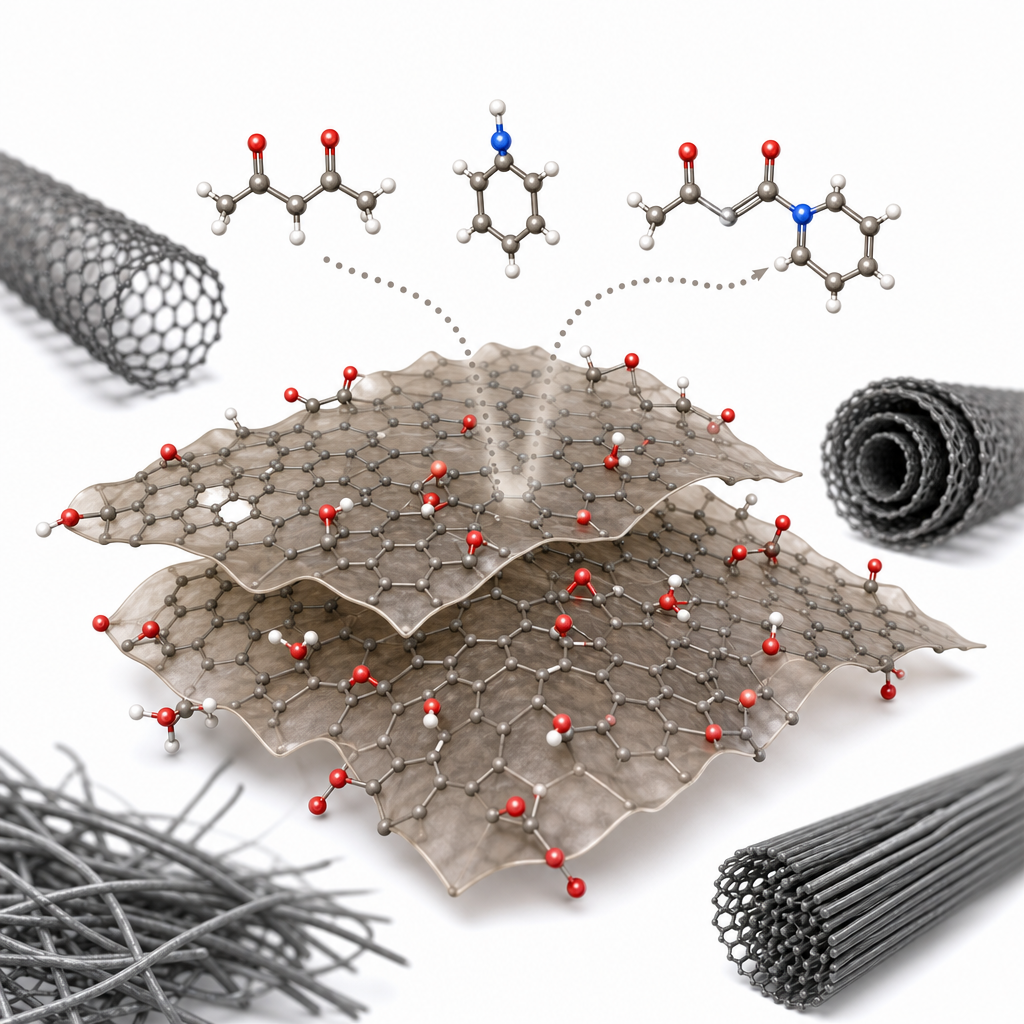
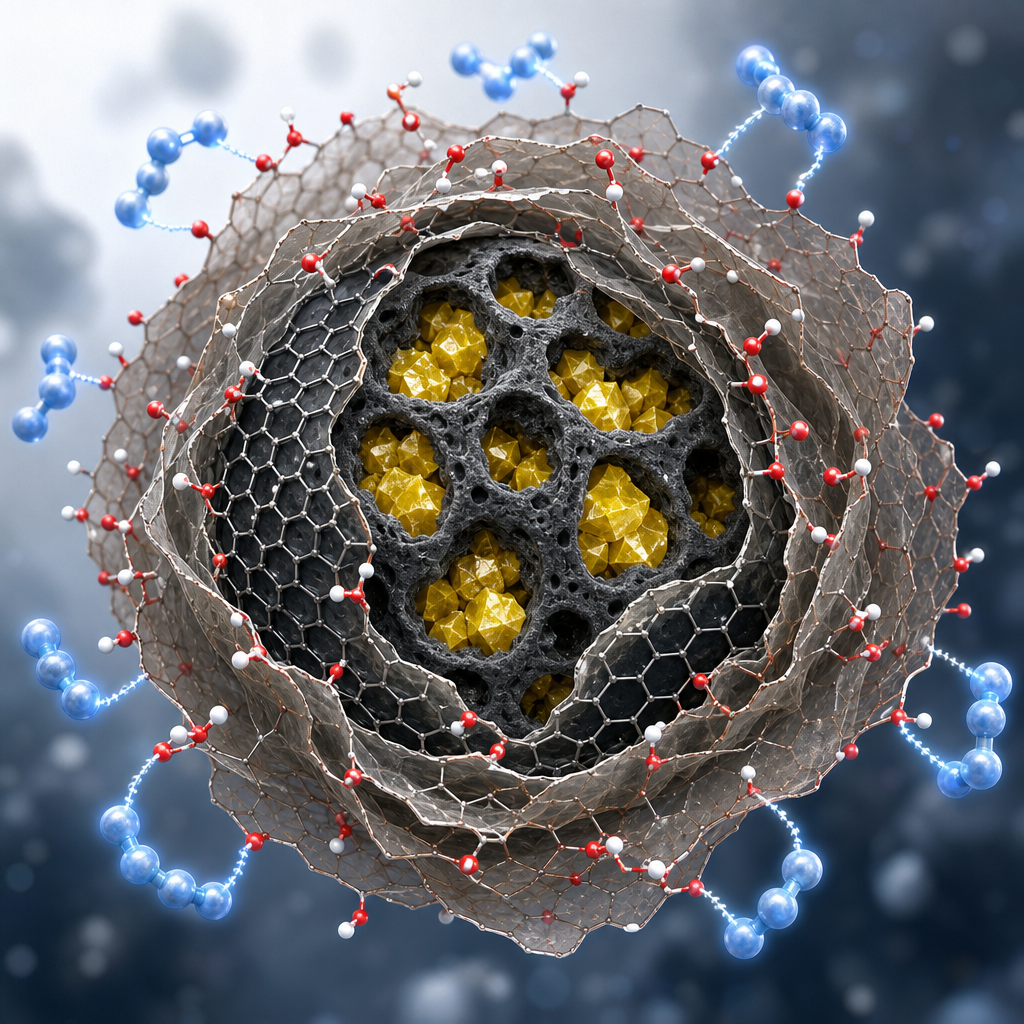
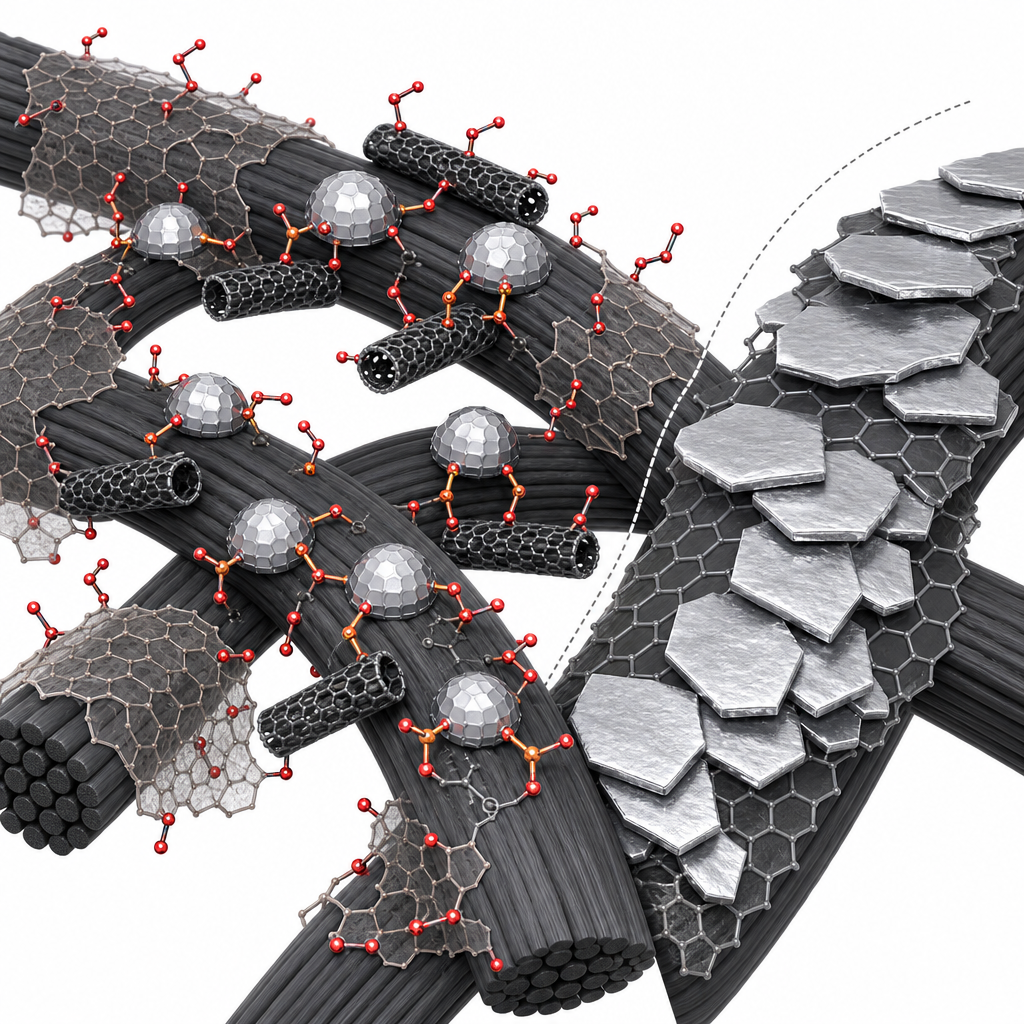
Pristine graphene and carbon nanotubes are famously inert. The same flawless sheet of sp2 carbon that makes them strong and conductive also makes their surfaces slippery, water-repelling, and reluctant to bond to anything — so they clump in solvents, settle out of inks, and pull loose from the polymers they are meant to reinforce. Plasma functionalization fixes this in minutes, without solvents or strong acids: a gas plasma grafts chemical groups onto the carbon surface, turning an unwettable, aggregating powder into one that disperses and bonds. This guide explains how it works, …
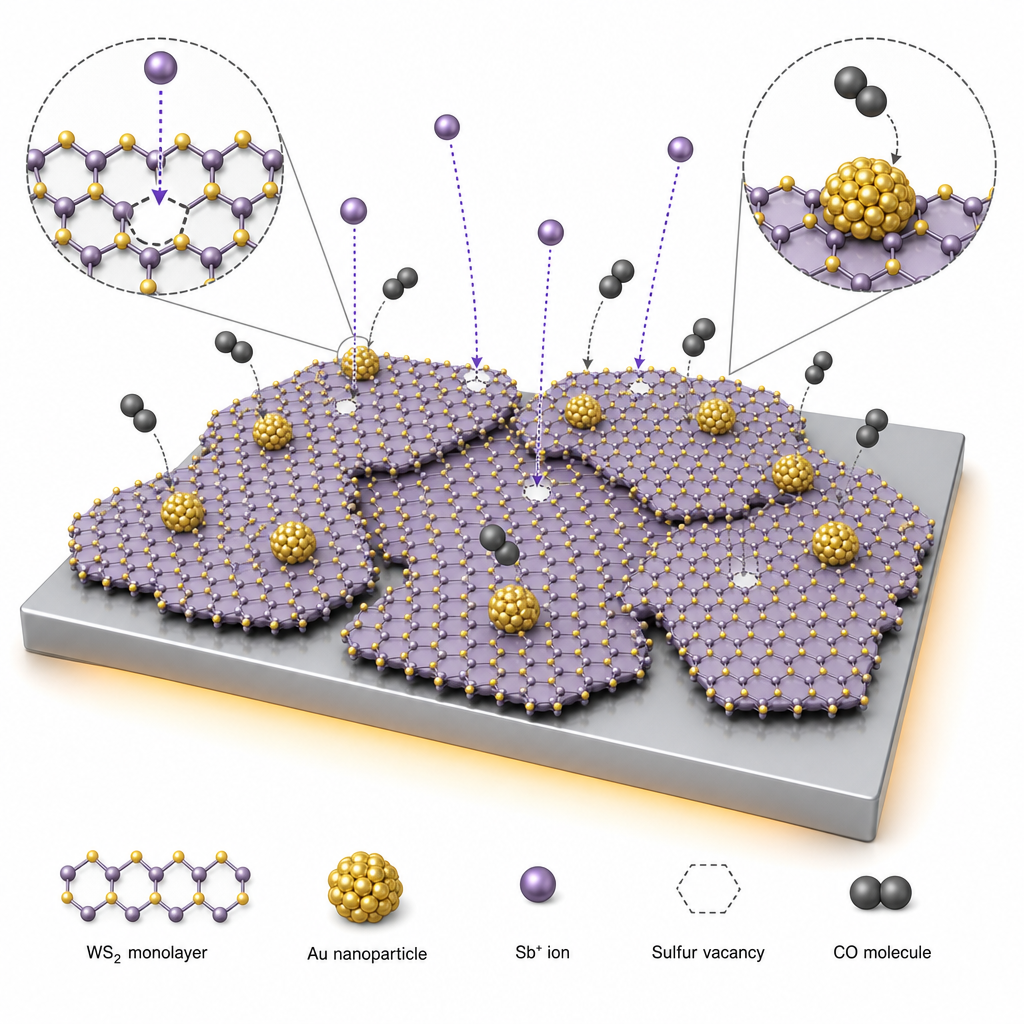
Kim, J. et al. (2023). Self-heated CO gas sensor based on Au-decorated Sb-implanted WS2 nanosheets. *Sensors and Actuators B: Chemical*. https://doi.org/10.1016/j.snb.2023.133501Sensors and Actuators B: Chemical · 2023NIMS used ACS Material monolayer WS2 nanosheets to build a self-heated, Au-decorated, Sb-implanted CO gas sensor reaching a response of 3.9 to 50 ppm CO.
About this research
Researchers at the National Institute for Materials Science (NIMS) used monolayer tungsten disulfide (WS2) nanosheets supplied by ACS Material LLC to build a self-heated carbon monoxide (CO) gas …
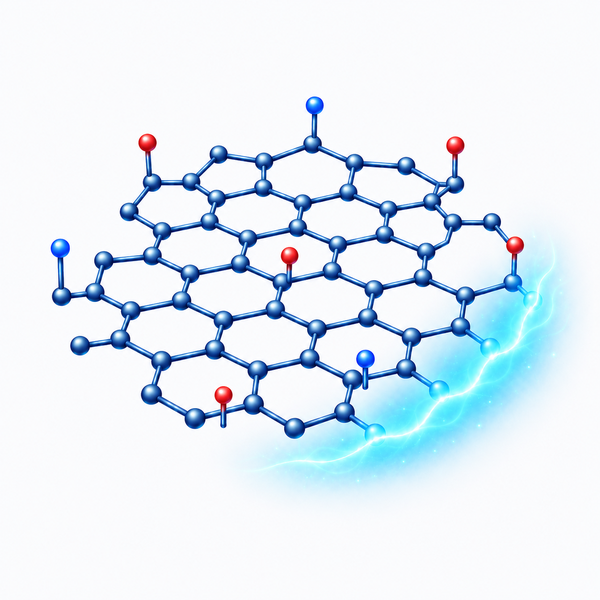
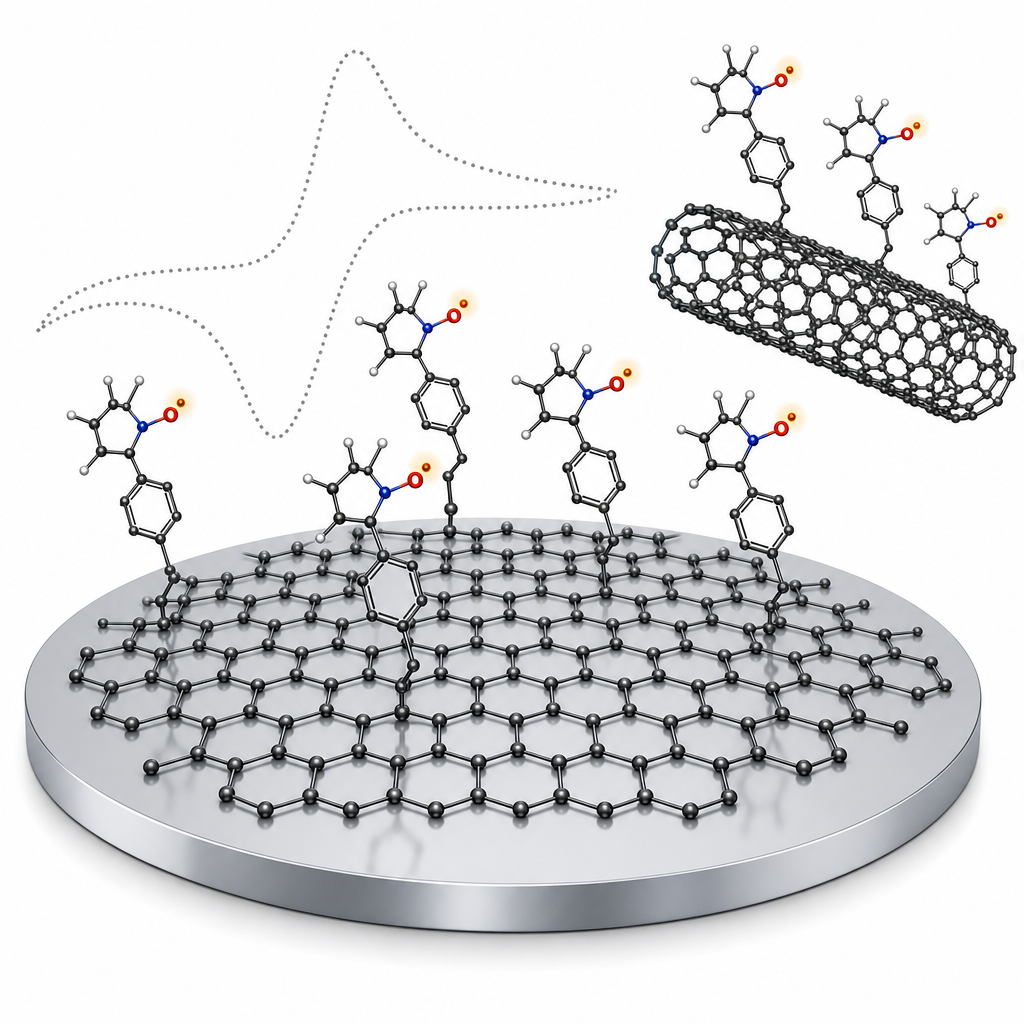
Blinco, J. P. et al. (2013). Spin-Coated carbon. *Chemical Science*. https://doi.org/10.1039/c3sc51396cChemical Science · 2013Queensland University of Technology researchers covalently grafted persistent nitroxide radicals onto ACS Material CVD graphene-on-SiO2, confirmed by Raman D/G=3.
About this research
Researchers at Queensland University of Technology (Blinco, Chalmers, Chou, Fairfull-Smith, and Bottle) used CVD monolayer graphene on SiO2 supplied by ACS Material to demonstrate that persistent aryl-diazonium nitroxide (ADIN) radicals can be covalently grafted onto a range of …
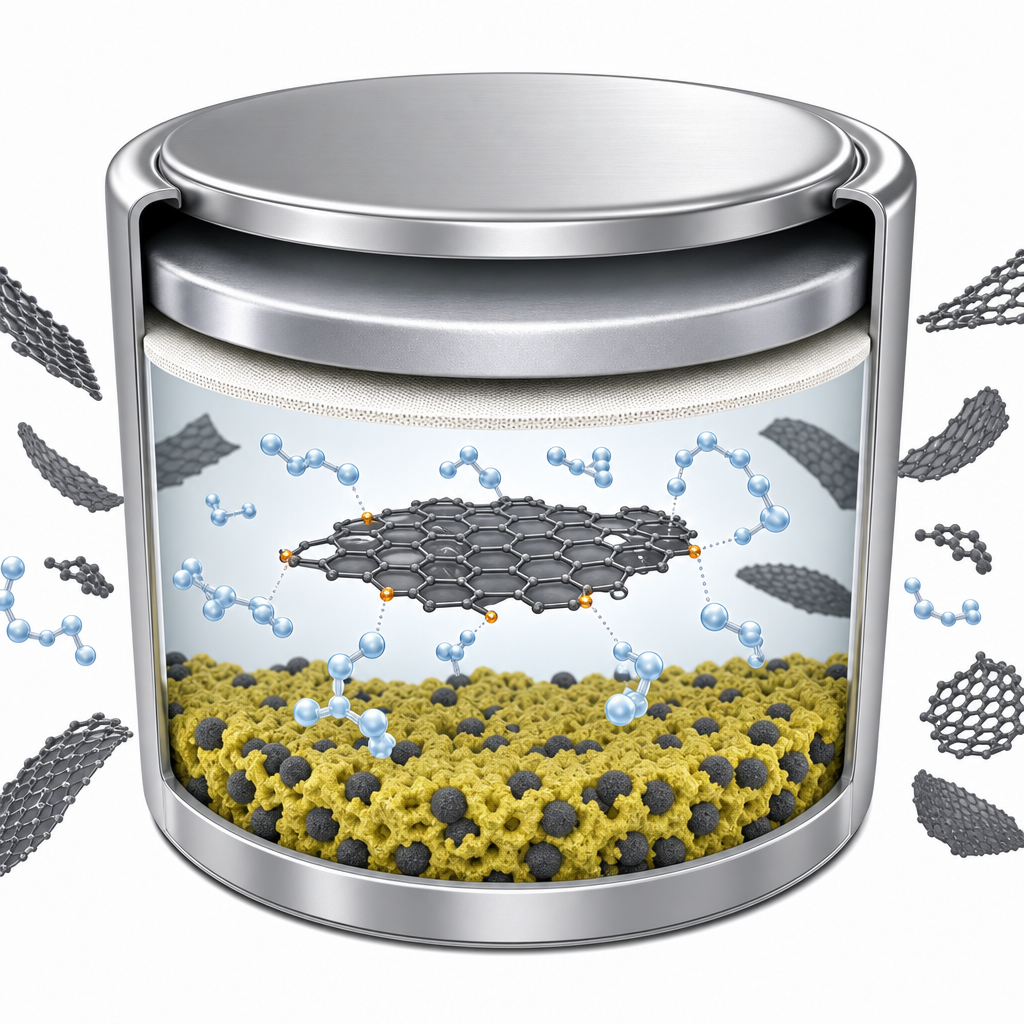
Zhang, J., & Lee, J. W. (2014). Supercapacitor Electrodes Derived from Carbon Dioxide. *ACS Sustainable Chemistry & Engineering*. https://doi.org/10.1021/sc400414rKorea Advanced Institute of Science and Technology (KAIST) · ACS Sustainable Chemistry & Engineering · 2014KAIST researchers benchmark CO2-derived boron-doped porous carbons against ACS Material CMK-3, achieving ~133 F/g specific capacitance in 1 M Na2SO4.
About this research
Researchers at Korea Advanced Institute of Science and Technology (KAIST) used Ordered Mesoporous Carbon CMK-3 supplied by ACS Material as …
Deng, D. et al. (2017). Industrial-quality graphene oxide switched highly efficient metal-and solvent-free synthesis of β-ketoenamines under feasible conditions. *ACS Sustainable Chemistry & Engineering*. https://doi.org/10.1021/acssuschemeng.6b02766Shinshu University · ACS Sustainable Chemistry & Engineering · 2017Shinshu University researchers used industrial-grade graphene oxide as a metal- and solvent-free carbocatalyst, achieving 86–100% yields of β-ketoenamines.
About this research
Researchers at Shinshu University reported that industrial-quality graphene oxide …
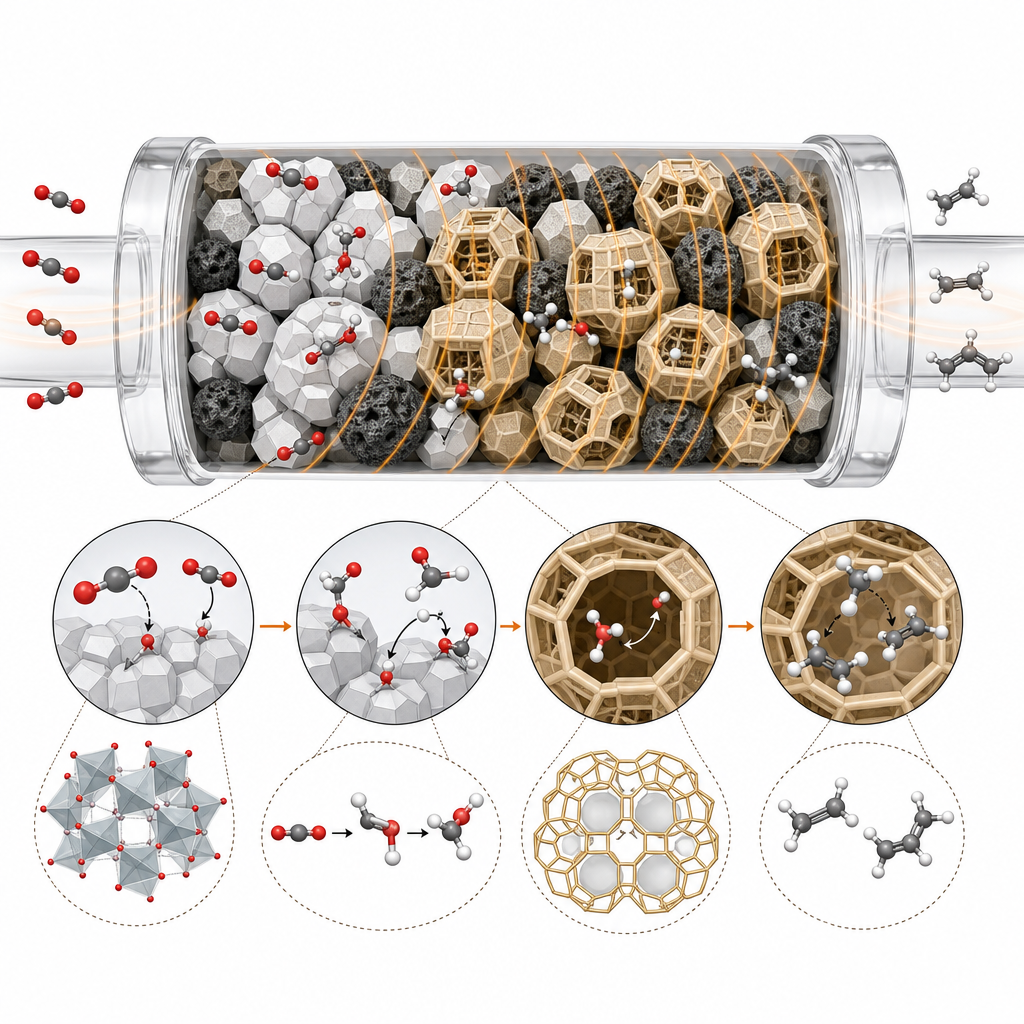
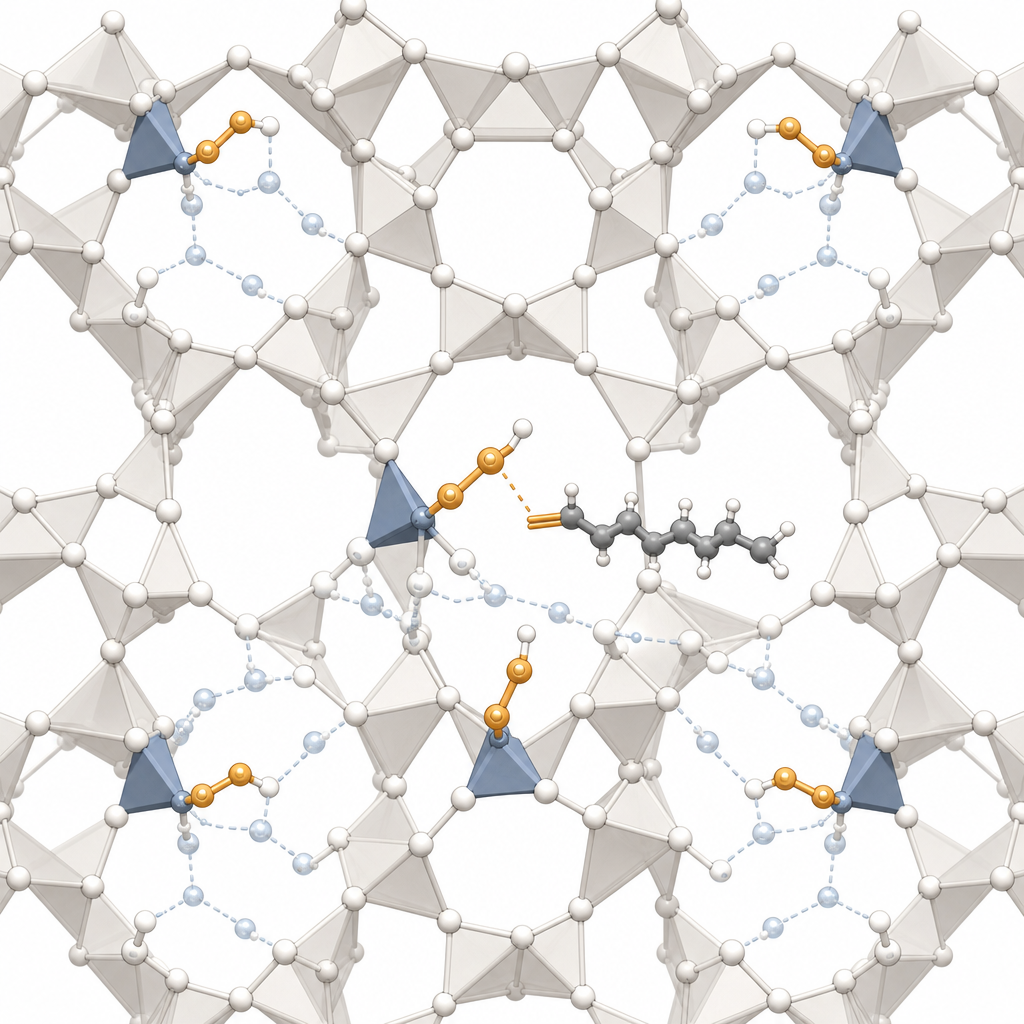
Poreddy, M. R. et al. (2026). Microwave-Induced Single-Stage CO2 Hydrogenation to Light Olefins over a ZnO-ZrO2/SAPO-34 Tandem Catalyst. *ACS Sustainable Chemistry & Engineering*. https://doi.org/10.1021/acssuschemeng.5c12902Department of Chemical & Biomedical Engineering · ACS Sustainable Chemistry & Engineering · 2026West Virginia University used ACS Material SAPO-34 in a ZnO-ZrO2/SAPO-34 tandem catalyst, achieving 26.3% CO2 conversion and 58.6% olefin selectivity under microwave heating.
About this research
Researchers at West Virginia University demonstrated that a …
Zhang, T., Matsuda, H., & Zhou, H. (2014). Gel-Derived Cation-π Stacking Films of Carbon Nanotube-Graphene Complexes as Oxygen Cathodes. *ChemSusChem*. https://doi.org/10.1002/cssc.201402567ChemSusChem · 2014AIST researchers used ACS Material single-layer graphene to build SWNT–graphene cation–π gel films as Li–O2 oxygen cathodes with improved cycling stability.
About this research
Researchers at the National Institute of Advanced Industrial Science and Technology (AIST) in Japan used single-layer graphene supplied by ACS Material to fabricate crosslinked carbon …
Rashed, A., & El-Moneim, A. (2017). Two steps synthesis approach of MnO 2 /Graphene nanoplates/Graphite composite electrode for supercapacitor application. *Materials Today Energy*. https://doi.org/10.1016/j.mtener.2017.02.004Materials Today Energy · 2017Researchers at Egypt-Japan University used ACS Material graphene nanoplates to build MnO2/GNPs-PVDF/graphite supercapacitor electrodes reaching 855 F g-1.
About this research
Researchers at Egypt-Japan University of Science and Technology used graphene nanoplates (GNPs) supplied by ACS Material to construct a …
Perre, S. V. d., Gelin, P., & Claessens, B. (2017). Intensified biobutanol recovery by using zeolites with complementary selectivity. *ChemSusChem*. https://doi.org/10.1002/cssc.201700667ChemSusChem · 2017Vrije Universiteit Brussel researchers paired Si-LTA with ACS Material SAPO-34 to recover biobutanol from ABE fermentation vapor at 99.7 mole% purity.
About this research
Researchers led by Vrije Universiteit Brussel report a vapor-phase adsorptive recovery scheme for biobutanol that pairs an all-silica LTA zeolite with commercial SAPO-34 obtained from ACS Material, achieving a …
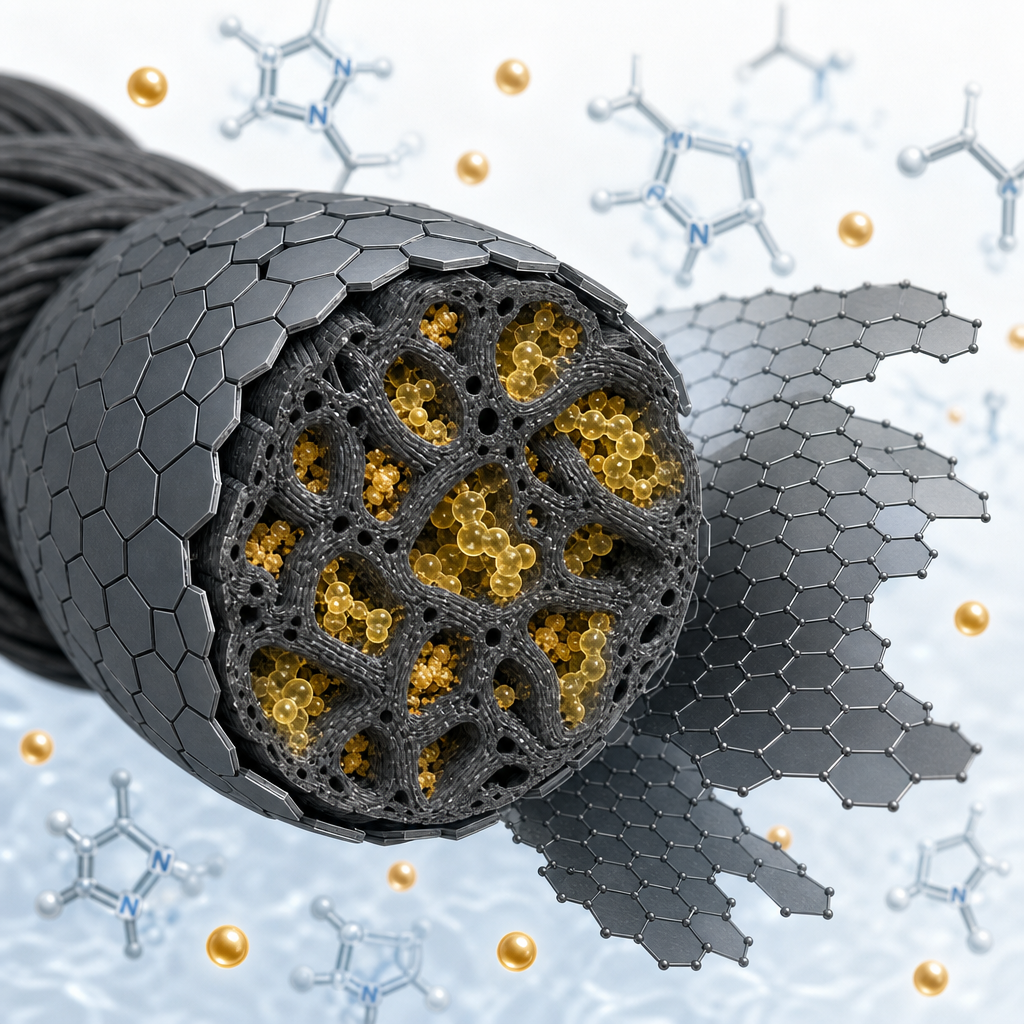
Min, D. J. et al. (2019). s‐Tetrazines as a New Electrode‐Active Material for Secondary Batteries. *ChemSusChem*. https://doi.org/10.1002/cssc.201802290Center for Supramolecular Optoelectronic Materials (CSOM) Research Institute of Advanced Materials (RIAM) Department of Materials Science and Engineering Seoul National University Seoul 08826 Republic of Korea · ChemSusChem · 2019Researchers at Seoul National University used ACS Material CMK-3 ordered mesoporous carbon to encapsulate s-tetrazine electrode molecules, achieving 100% theoretical capacity and 82.5% retention over 300 …
Yang, E. et al. (2020). Asymmetric mixed-matrix membranes incorporated with nitrogen-doped graphene nanosheets for highly selective gas separation. *Journal of Membrane Science*. https://doi.org/10.1016/j.memsci.2020.118293Journal of Membrane Science · 2020Researchers at Korea University of Technology and Education used ACS Material natural graphite to synthesize rGO coatings for Si-LTO lithium-ion battery anodes.
About this research
Researchers at Korea University of Technology and Education (KOREATECH) used natural graphite supplied by ACS Material LLC to fabricate a reduced graphene …
The dielectric barrier discharge (DBD) is the quiet workhorse of low-temperature plasma. By placing an insulator in the current path and driving it with alternating or pulsed high voltage, a DBD turns ordinary gas at atmospheric pressure into a cold, chemically active plasma — without ever collapsing into a hot arc. It is the discharge behind industrial ozone, large-area surface treatment, and the fast-moving field of plasma catalysis. This guide goes under the hood: the microdischarge physics, the discharge modes, the reactor geometries, and — crucially — how to measure …
Tian, Y. et al. (2021). Fast synthesis of Pt single-atom catalyst with high intrinsic activity for hydrogen evolution reaction by plasma sputtering. *Materials Today Energy*. https://doi.org/10.1016/j.mtener.2021.100877Materials Today Energy · 2021Beijing University of Technology used ACS Material Trivial Transfer Graphene to support fast plasma-sputtered Pt single-atom catalysts achieving high HER activity.
About this research
Researchers at Beijing University of Technology demonstrated that ACS Material's Trivial Transfer Graphene could be used to confirm single-atom platinum …
Maier, M. et al. (2023). A comprehensive study on the ionomer properties of PFSA membranes with confocal Raman microscopy. *Journal of Membrane Science*. https://doi.org/10.1016/j.memsci.2022.121244Journal of Membrane Science · 2023Researchers at Forschungszentrum Jülich used ACS Material Trivial Transfer Graphene as a single-layer interlayer in Nafion composite membranes imaged by confocal Raman microscopy.
About this research
Researchers at Forschungszentrum Jülich (Helmholtz-Institute Erlangen-Nürnberg, IEK-11) used ACS Material Trivial Transfer Graphene as a single-layer …
Li, P. et al. (2014). Graphene-enhanced infrared near-field microscopy. *Nano Letters*. https://doi.org/10.1021/nl501376aRWTH Aachen University · Nano Letters · 2014RWTH Aachen researchers used CVD monolayer graphene from ACS Material to boost infrared near-field microscopy, resolving buried structures at λ/11 resolution.
About this research
Researchers at RWTH Aachen University demonstrated, using CVD monolayer graphene supplied by ACS Material, that a single atomic layer of graphene can deliver a 7-fold enhancement of evanescent fields in infrared near-field microscopy, enabling …
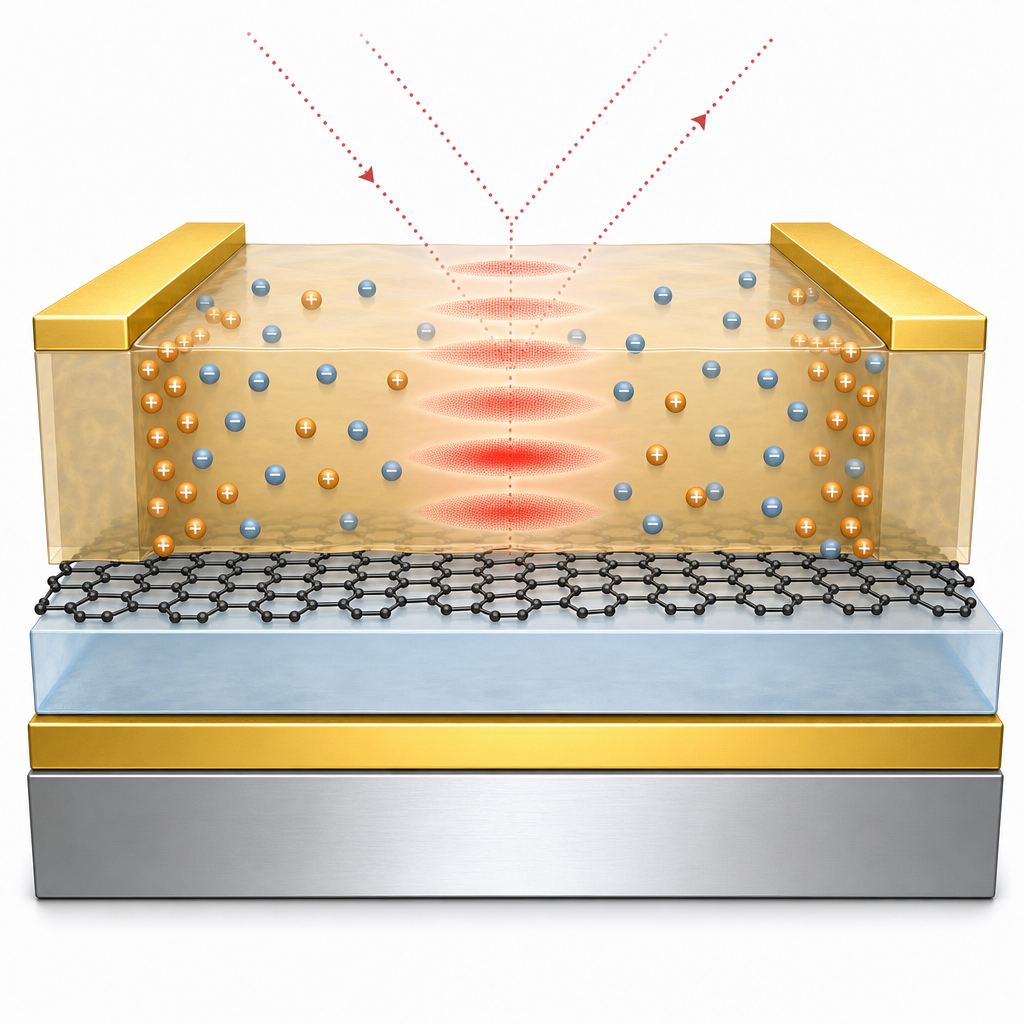
Thareja, V. et al. (2015). Electrically tunable coherent optical absorption in graphene with ion gel. *Nano Letters*. https://doi.org/10.1021/nl503431dStanford University · Nano Letters · 2015Stanford researchers use ACS Material CVD graphene in an ion-gel-gated Salisbury screen to achieve 3.3% per volt mid-IR absorption modulation.
About this research
Researchers at Stanford University demonstrated electrically tunable coherent optical absorption in a single sheet of CVD graphene from ACS Material, integrated into an ion-gel-gated Salisbury screen that modulates mid-infrared light at …
Hwa, Y. et al. (2017). Freeze-dried sulfur–graphene oxide–carbon nanotube nanocomposite for high sulfur-loading lithium/sulfur cells. *Nano Letters*. https://doi.org/10.1021/acs.nanolett.7b03831Lawrence Berkeley National Laboratory · Nano Letters · 2017LBNL builds a freeze-dried sulfur–graphene oxide–CNT nanocomposite using ACS Material single-layer GO dispersion for high-loading Li/S cells.
About this research
Researchers at Lawrence Berkeley National Laboratory used ACS Material single-layer graphene oxide (GO) dispersion (10 mg/mL in water) to construct a freeze-dried …
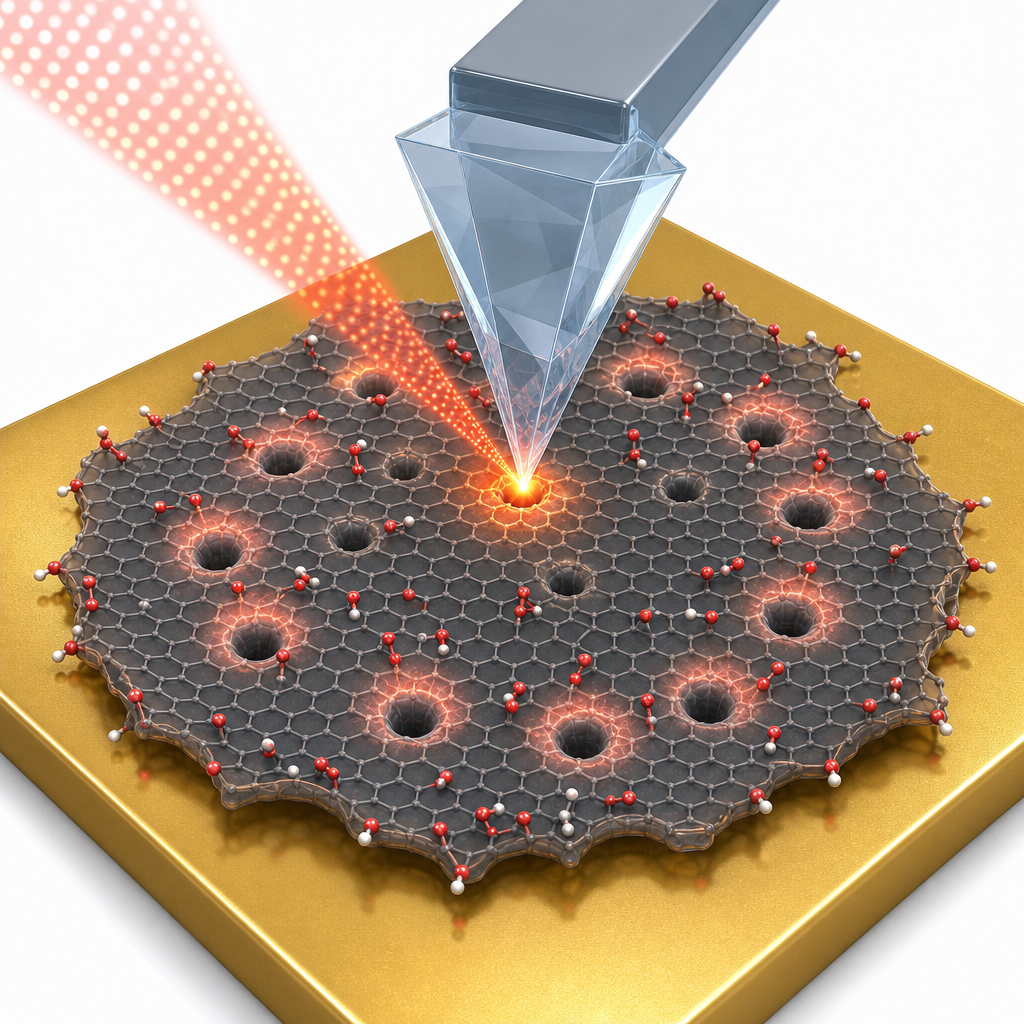
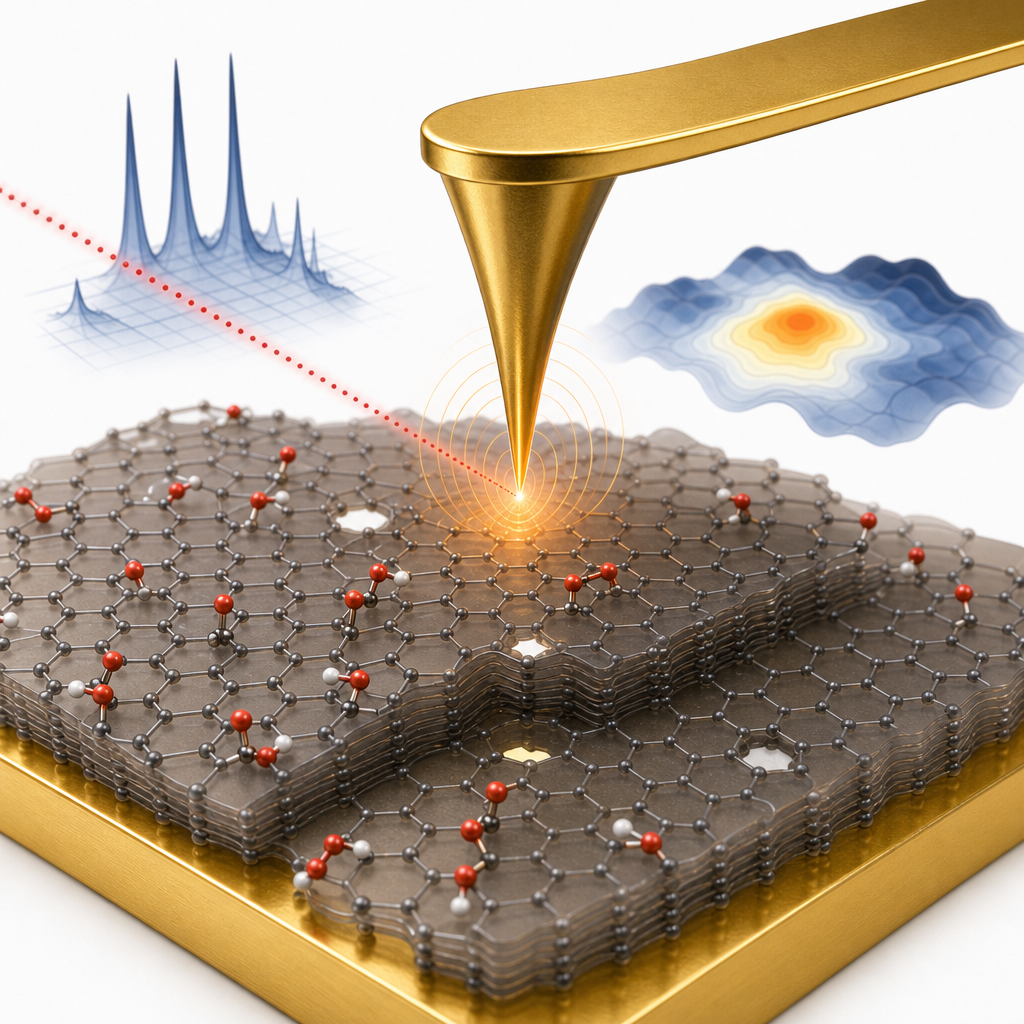
Bhattarai, A. et al. (2018). Tip-enhanced Raman scattering from nanopatterned graphene and graphene oxide. *Nano Letters*. https://doi.org/10.1021/acs.nanolett.8b01690Pacific Northwest National Laboratory · Nano Letters · 2018PNNL researchers use pulsed-force nano-indentation to unlock tip-enhanced Raman from ACS Material graphene oxide and Trivial Transfer Graphene on gold.
About this research
Researchers at Pacific Northwest National Laboratory, working with ACS Material single-layer graphene oxide dispersion and Trivial Transfer® Graphene, demonstrated that pulsed-force …
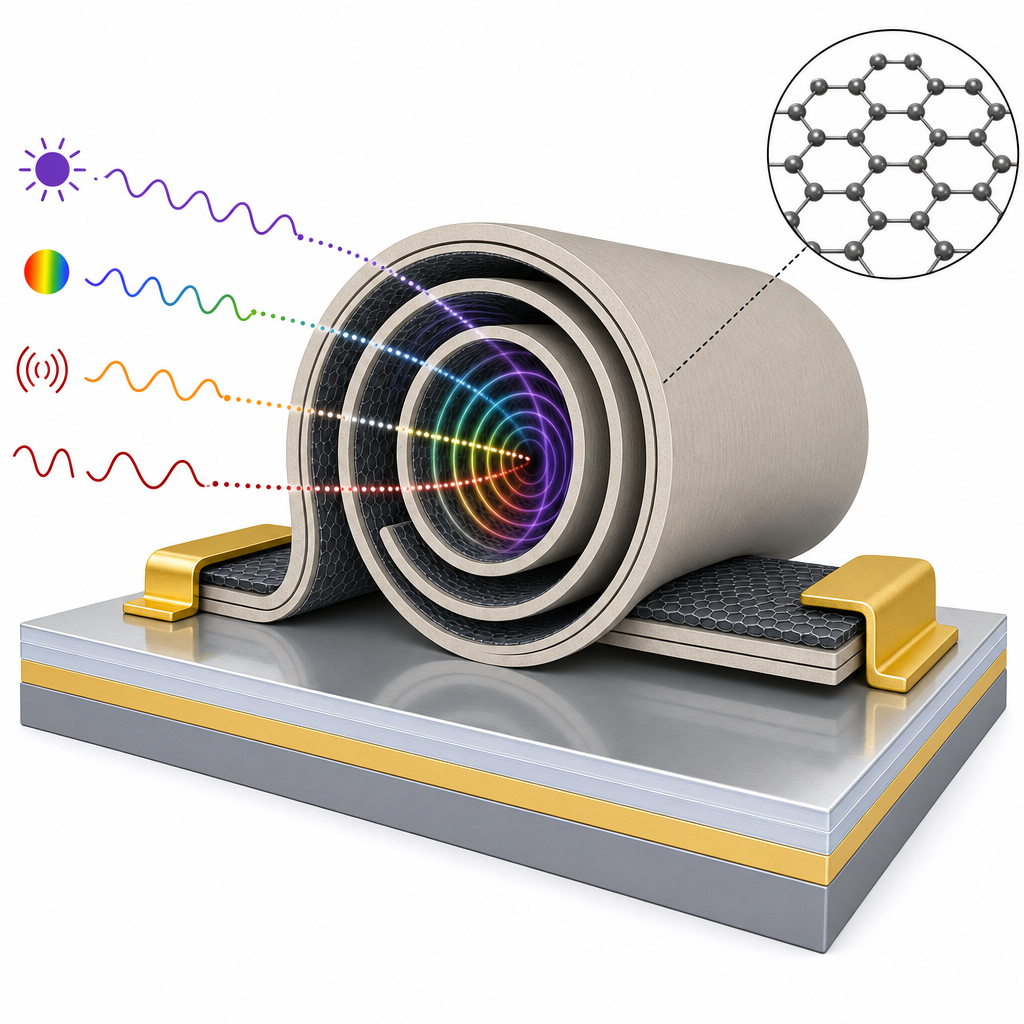
Deng, T. et al. (2019). Three-dimensional graphene field-effect transistors as high-performance photodetectors. *Nano Letters*. https://doi.org/10.1021/acs.nanolett.8b04099Beijing Jiaotong University · Nano Letters · 2019Beijing Jiaotong University researchers built self-rolled 3D graphene FET photodetectors from CVD graphene by ACS Material, reaching >1 A/W from UV to THz.
About this research
Researchers at Beijing Jiaotong University, working with collaborators at Tsinghua University and the Institute of Microelectronics of the Chinese Academy of Sciences, used monolayer CVD …
Feng, B. et al. (2021). A broadband photoelectronic detector in a silicon nanopillar array with high detectivity enhanced by a monolayer graphene. *Nano Letters*. https://doi.org/10.1021/acs.nanolett.1c01244Fudan University · Nano Letters · 2021Fudan University integrated ACS Material CVD monolayer graphene on Si nanopillars, achieving 1.43 × 10^13 Jones detectivity over 450–1100 nm at room temperature.
About this research
Fudan University researchers developed a broadband silicon nanopillar photoelectronic detector enhanced by transferring ACS Material CVD monolayer graphene onto …
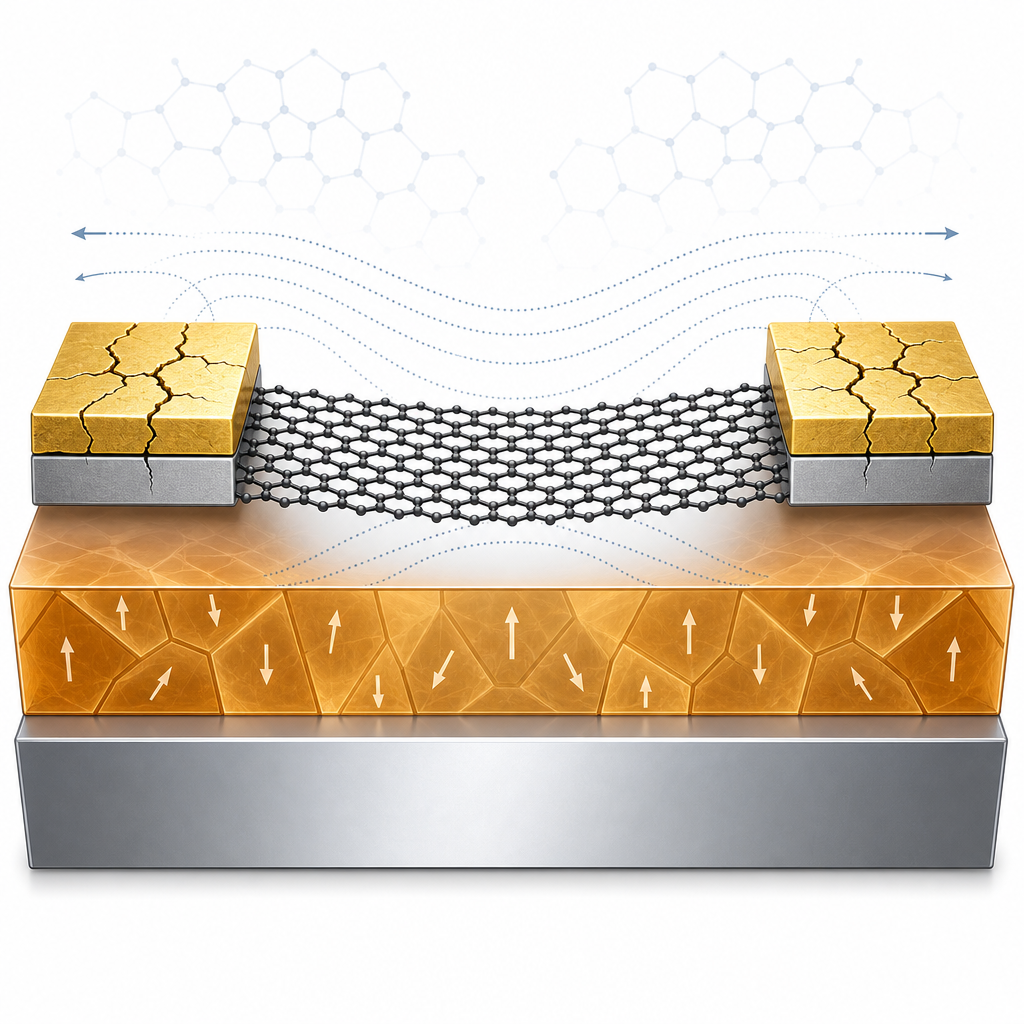
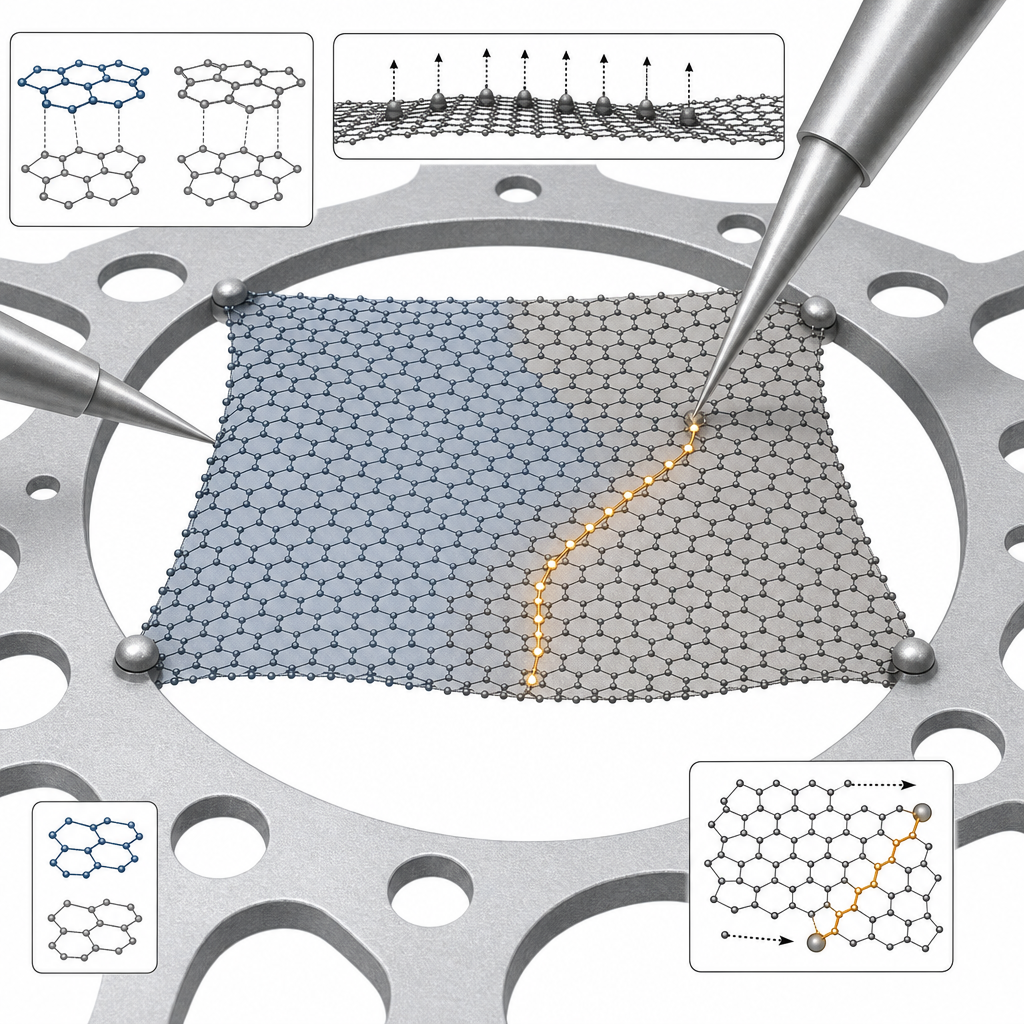
Zheng, Y. et al. (2023). Graphene strain-effect transistor with colossal ON/OFF current ratio enabled by reversible nanocrack formation in metal electrodes on piezoelectric substrates. *Nano Letters*. https://doi.org/10.1021/acs.nanolett.2c04519University Park · Nano Letters · 2023Penn State researchers built graphene strain-effect transistors using ACS Material CVD graphene on copper, reaching an ON/OFF current ratio above 10^7.
About this research
Researchers at Penn State University used commercially available ACS Material CVD-grown monolayer graphene on copper foil (catalog …
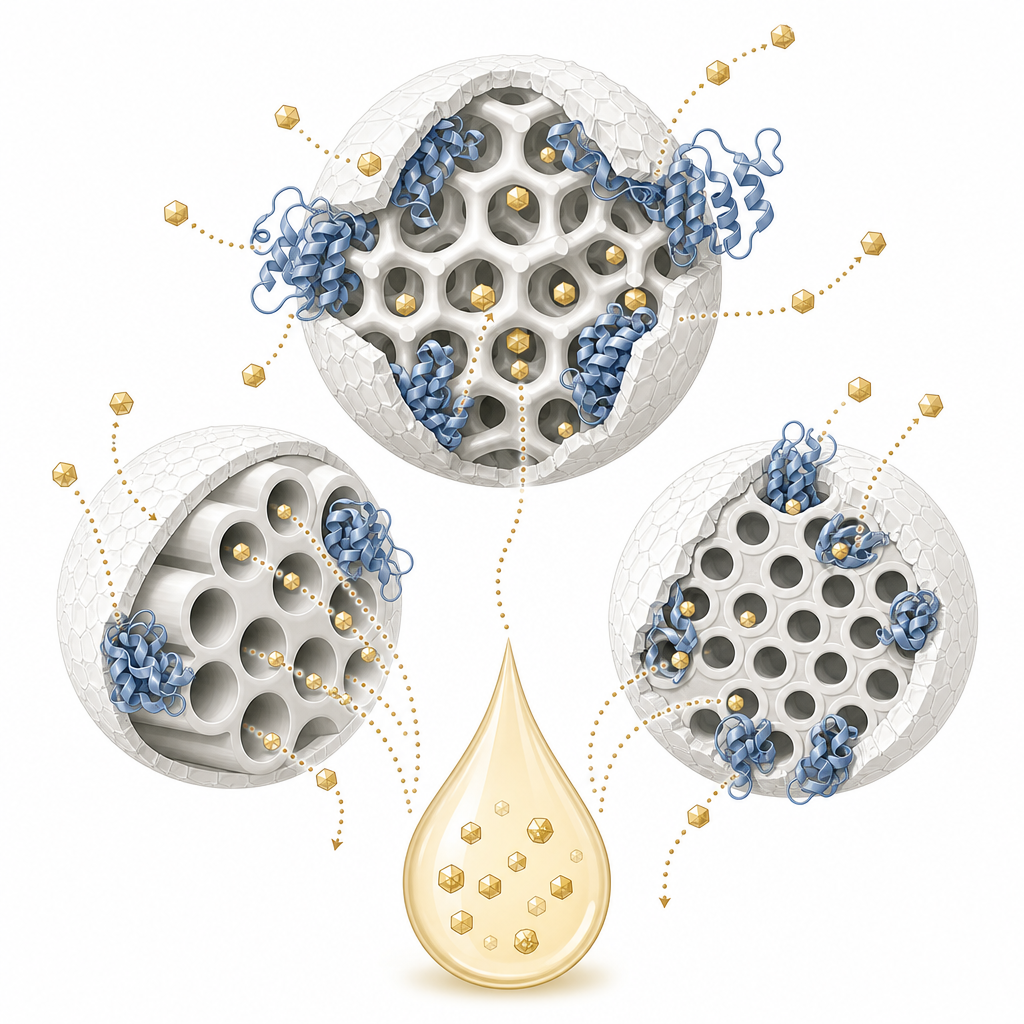
Dumitriu, G. et al. (2018). Study of the potential use of mesoporous nanomaterials as fining agent to prevent protein haze in white wines and its impact in major volatile aroma compounds and polyols. *Food Chemistry*. https://doi.org/10.1016/j.foodchem.2017.07.163Food Chemistry · 2018Researchers evaluated KIT-6, SBA-15, and MCM-41 mesoporous silicas from ACS Material as fining agents to prevent protein haze in white wines while preserving aroma compounds.
About this research
Researchers led by the University of Córdoba demonstrated that KIT-6, SBA-15, and MCM-41 mesoporous silica …
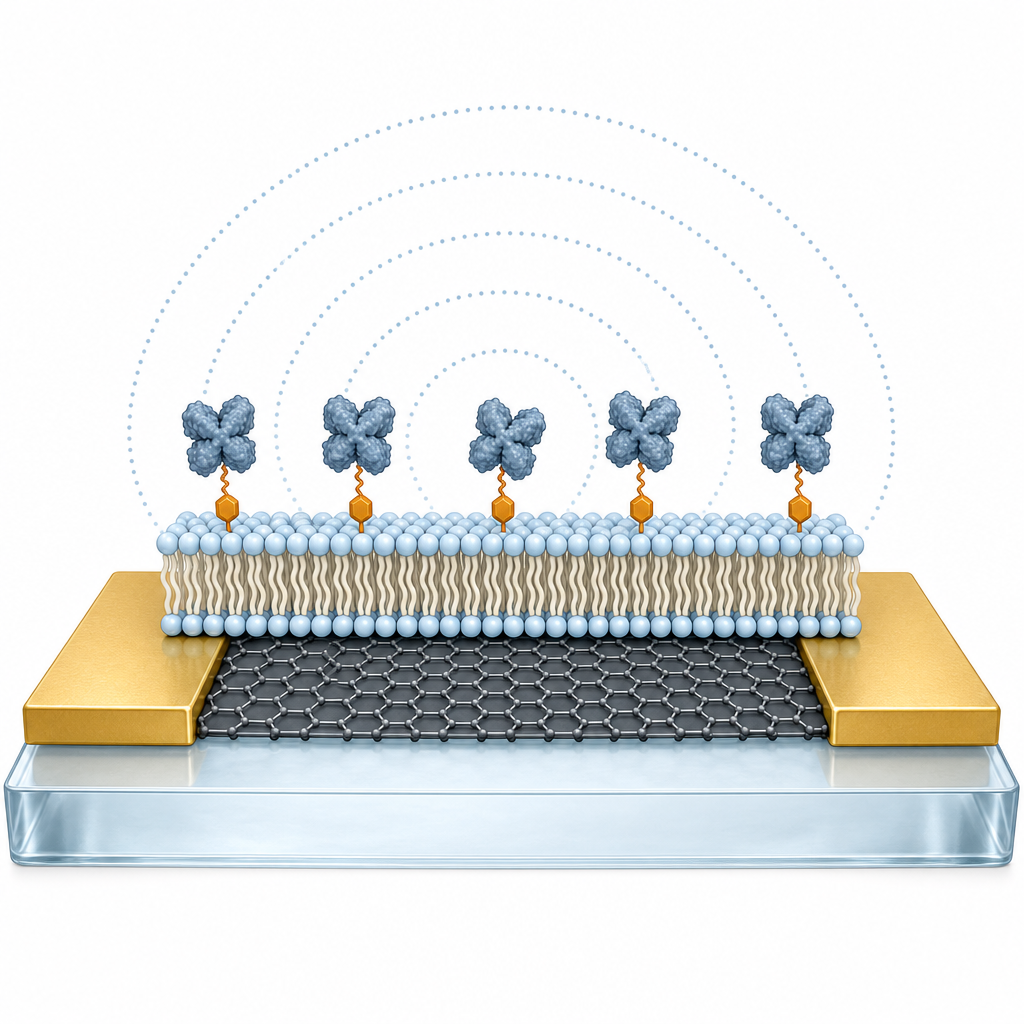
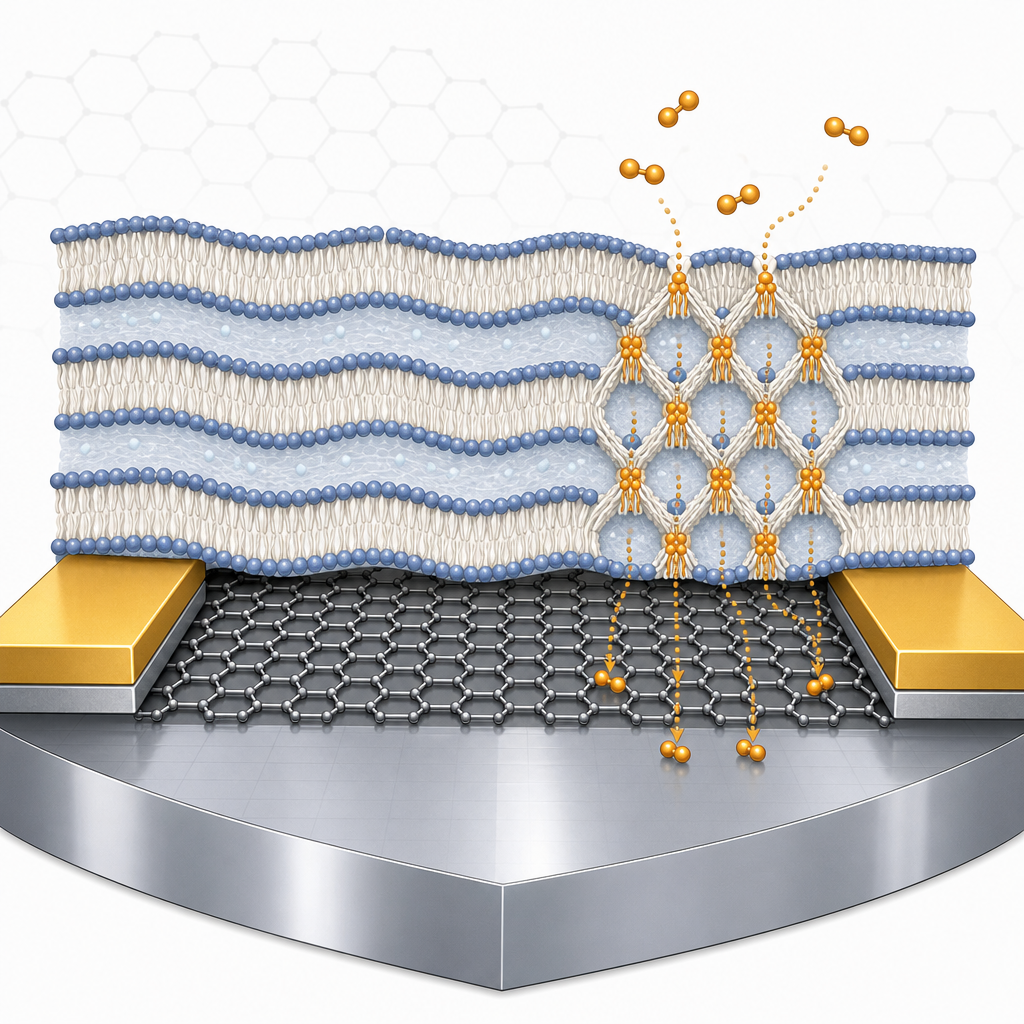
Hu, S. et al. (2019). Sensing ability and formation criterion of fluid supported lipid bilayer coated graphene field-effect transistors. *ACS Sensors*. https://doi.org/10.1021/acssensors.8b01623National Taiwan University · ACS Sensors · 2019Researchers at National Taiwan University used ACS Material Trivial Transfer CVD graphene to build lipid-bilayer-coated GFETs for label-free protein detection.
About this research
Researchers at National Taiwan University used Trivial Transfer CVD graphene from ACS Material to fabricate graphene field-effect transistors (GFETs) coated with fluid …
He, G. et al. (2014). Stable cycling of a scalable graphene-encapsulated nanocomposite for lithium–sulfur batteries. *ACS Applied Materials & Interfaces*. https://doi.org/10.1021/am500632bUniversity of Waterloo · ACS Applied Materials & Interfaces · 2014University of Waterloo used ACS Material graphene oxide to encapsulate a Ketjen black/sulfur cathode, achieving 0.026% capacity fade per cycle over 200 cycles.
About this research
Researchers at the University of Waterloo, working with collaborators at BASF SE, developed a graphene-encapsulated Ketjen black/sulfur (g-KBC/S) …
Balcioglu, M., Rana, M., & Robertson, N. (2014). DNA-Length-Dependent Quenching of Fluorescently Labeled Iron Oxide Nanoparticles with Gold, Graphene Oxide and MoS2 Nanostructures. *ACS Applied Materials & Interfaces*. https://doi.org/10.1021/am503553hACS Applied Materials & Interfaces · 2014SUNY Albany researchers used ACS Material carboxyl graphene oxide as a nanoquencher of cy5.5-labeled iron oxide nanoparticles, with DNA-length-tunable quenching up to 58%.
About this research
Researchers at the University at Albany, SUNY used ACS Material carboxyl graphene water …
Gao, X. et al. (2015). A multilayered silicon-reduced graphene oxide electrode for high performance lithium-ion batteries. *ACS Applied Materials & Interfaces*. https://doi.org/10.1021/acsami.5b01230University of Wisconsin · ACS Applied Materials & Interfaces · 2015University of Wisconsin researchers built a multilayered silicon/reduced graphene oxide lithium-ion anode using ACS Material graphene oxide dispersion.
About this research
Researchers at the University of Wisconsin used ACS Material aqueous graphene oxide dispersion to fabricate a multilayered silicon/reduced …
Huang, P., Pautler, R., & Shanmugaraj, J. (2015). Inhibiting the VIM-2 metallo-β-lactamase by graphene oxide and carbon nanotubes. *ACS Applied Materials & Interfaces*. https://doi.org/10.1021/acsami.5b01954ACS Applied Materials & Interfaces · 2015University of Waterloo researchers used ACS Material graphene oxide to inhibit the VIM-2 metallo-β-lactamase, achieving strong dose-dependent enzyme suppression.
About this research
Researchers at the University of Waterloo (Waterloo Institute for Nanotechnology) used graphene oxide purchased from ACS Material together with …
Xu, W. et al. (2015). Hierarchical Graphene-Encapsulated Hollow SnO2@SnS2 Nanostructures with Enhanced Lithium Storage Capability. *ACS Applied Materials & Interfaces*. https://doi.org/10.1021/acsami.5b06765Louisiana State University · ACS Applied Materials & Interfaces · 2015Louisiana State University researchers used ACS Material graphene oxide dispersion to build SnO2@SnS2@rGO hollow-sphere anodes delivering 583 mAh/g after 100 cycles.
About this research
Researchers at Louisiana State University, working with collaborators at Wuhan University of Technology, used a graphene …
He, Q. et al. (2017). Enabling Inkjet Printed Graphene for Ion Selective Electrodes with Postprint Thermal Annealing. *ACS Applied Materials & Interfaces*. https://doi.org/10.1021/acsami.7b00092Iowa State University · ACS Applied Materials & Interfaces · 2017Iowa State University researchers used ACS Material single-layer reduced graphene oxide to inkjet-print annealed potassium ion selective electrodes.
About this research
Researchers at Iowa State University used ACS Material single-layer reduced graphene oxide to formulate an inkjet-printable graphene ink for fabricating …
Kim, H., Thukral, A., & Yu, C. (2018). Highly Sensitive and Very Stretchable Strain Sensor Based on a Rubbery Semiconductor. *ACS Applied Materials & Interfaces*. https://doi.org/10.1021/acsami.7b17709University of Houston · ACS Applied Materials & Interfaces · 2018University of Houston researchers used ACS Material silver nanowires to build rubbery P3HT/PDMS strain sensors with gauge factor 32 and 100% stretchability.
About this research
Researchers at the University of Houston, led by Cunjiang Yu, used silver nanowires (AgNWs) purchased from ACS Material to build a …
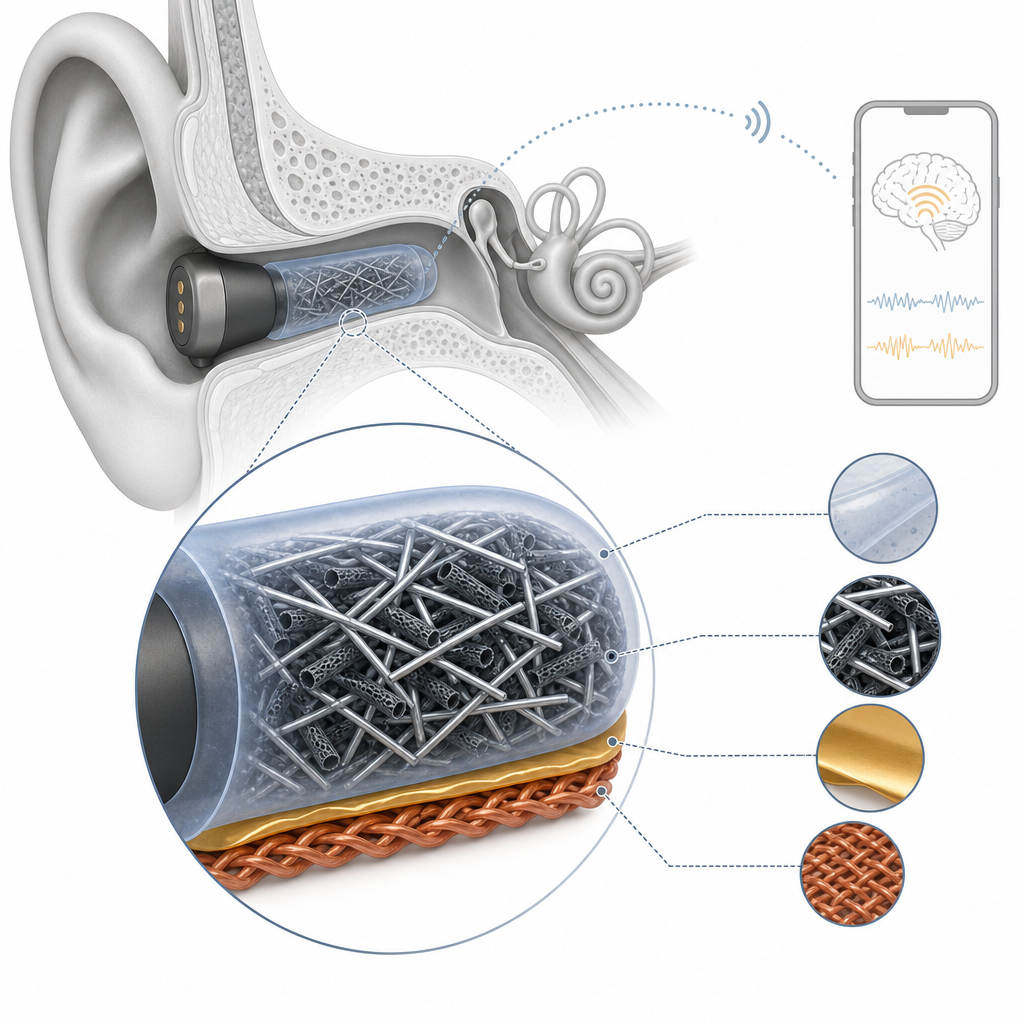
Lee, J. H. et al. (2018). Flexible conductive composite integrated with personal earphone for wireless, real-time monitoring of electrophysiological signs. *ACS Applied Materials & Interfaces*. https://doi.org/10.1021/acsami.8b06484Korea University · ACS Applied Materials & Interfaces · 2018Korea University built a wireless EEG earphone using AgNW/CNT/PDMS elastomeric electrodes with silver nanowires from ACS Material for real-time brain monitoring.
About this research
Researchers at Korea University demonstrated a wireless, real-time electroencephalography (EEG) earphone …
Liu, X. et al. (2019). Two-dimensional black phosphorus and graphene oxide nanosheets synergistically enhance cell proliferation and osteogenesis on 3D printed scaffolds. *ACS Applied Materials & Interfaces*. https://doi.org/10.1021/acsami.9b04121ACS Applied Materials & Interfaces · 2019Mayo Clinic researchers used ACS Material black phosphorus powder to functionalize 3D-printed PPF scaffolds, synergistically boosting osteogenesis with graphene oxide.
About this research
Researchers at the Mayo Clinic, led by Lichun Lu, used black phosphorus (BP) powder purchased from ACS …
Vu, M. et al. (2020). Highly flexible graphene derivative hybrid film: an outstanding nonflammable thermally conductive yet electrically insulating material for efficient thermal management. *ACS Applied Materials & Interfaces*. https://doi.org/10.1021/acsami.0c02427ACS Applied Materials & Interfaces · 2020Korea National University researchers exfoliated ACS Material graphite fluoride into GFS@rGO films reaching 212 W·m⁻¹·K⁻¹ thermal conductivity with electrical insulation.
About this research
Researchers at Korea National University of Transportation used graphite …
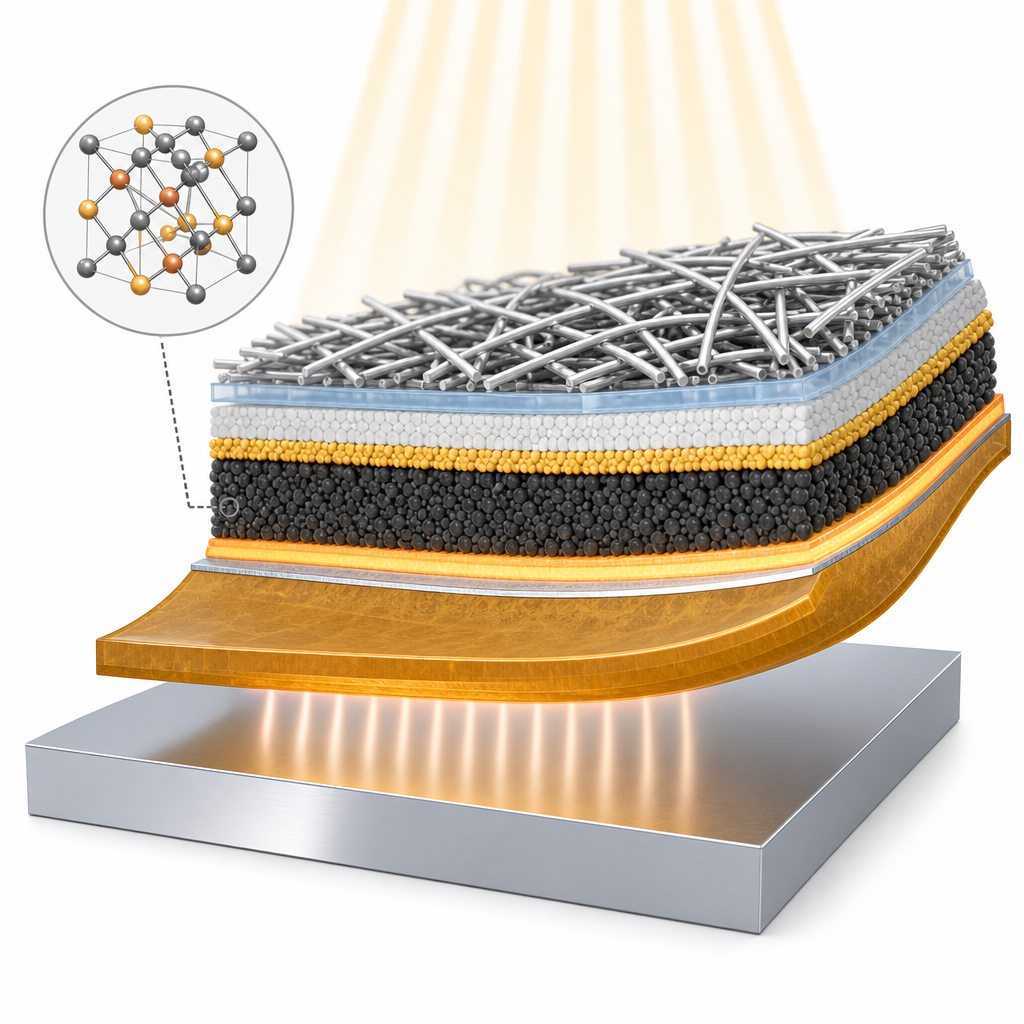
Liu, W., Turkani, V., & Akhavan, V. (2021). Photonic lift-off process to fabricate ultrathin flexible solar cells. *ACS Applied Materials & Interfaces*. https://doi.org/10.1021/acsami.1c12382ACS Applied Materials & Interfaces · 2021UT Austin used ACS Material silver nanowires as flexible top contacts in photonic lift-off CuInSe2 nanocrystal solar cells under 20 µm thick.
About this research
Researchers at The University of Texas at Austin, working with NovaCentrix, used silver nanowire (AgNW) dispersion purchased from ACS Material as the flexible top contact in ultrathin …
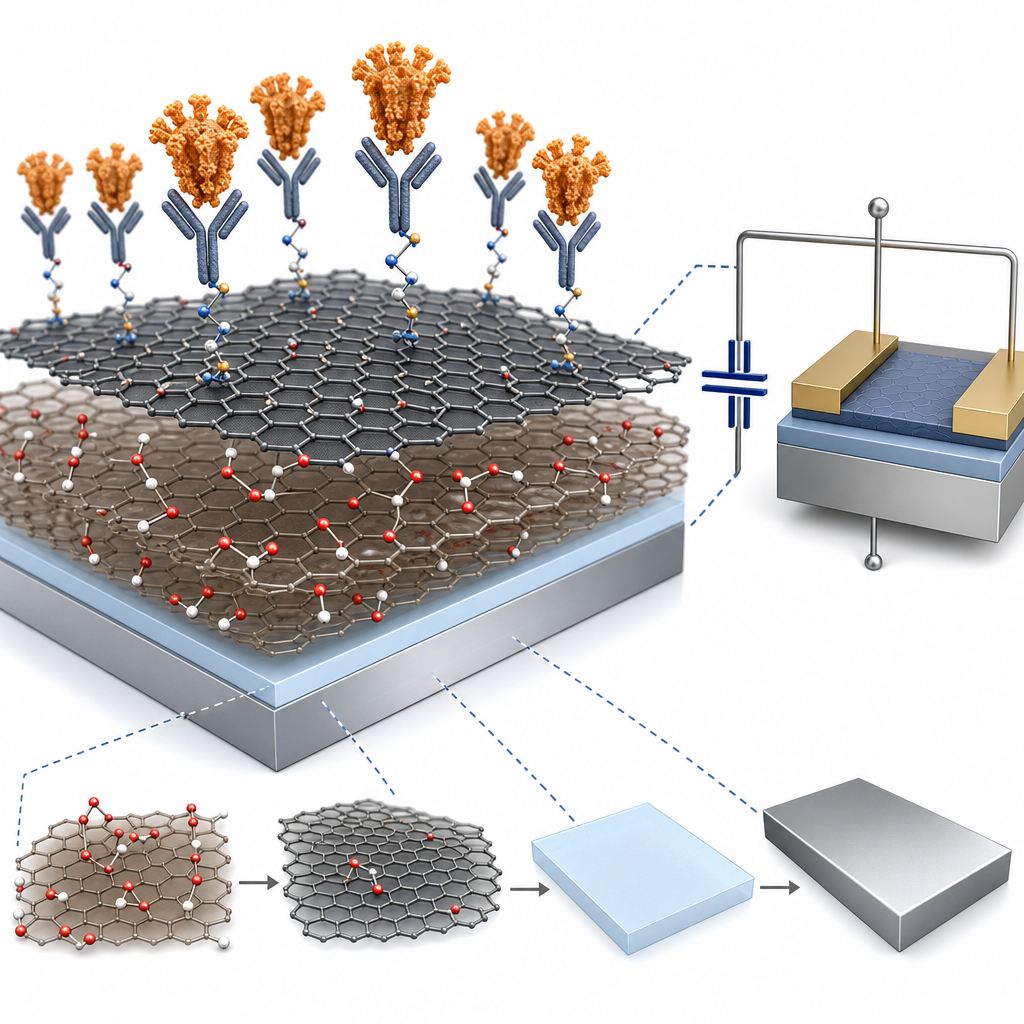
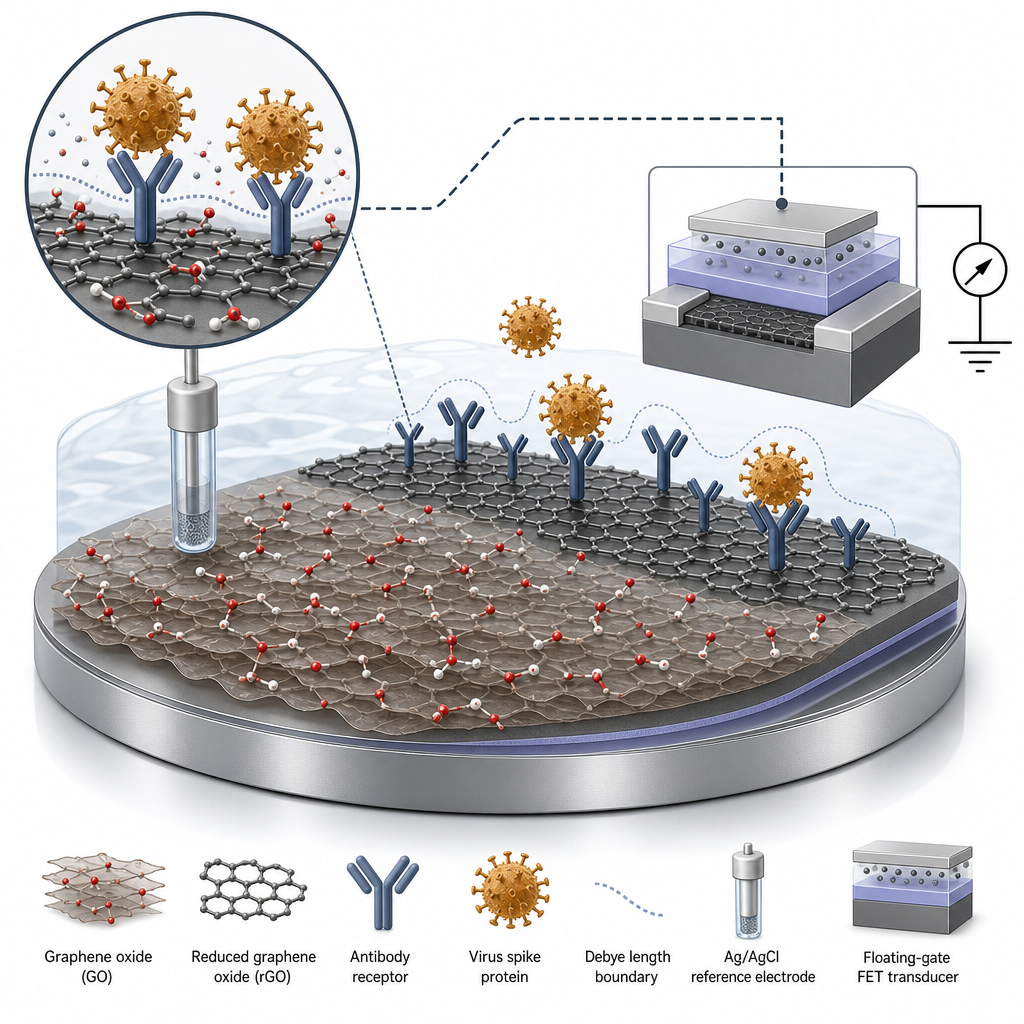
Jang, H. et al. (2022). Remote floating-gate field-effect transistor with 2-dimensional reduced graphene oxide sensing layer for reliable detection of SARS-CoV-2 spike proteins. *ACS Applied Materials & Interfaces*. https://doi.org/10.1021/acsami.2c04969University of Chicago · ACS Applied Materials & Interfaces · 2022University of Chicago researchers built a remote floating-gate rGO FET biosensor using ACS Material graphene oxide to detect SARS-CoV-2 spike proteins at pg/mL levels.
About this research
Researchers at the University of Chicago report a remote floating-gate …
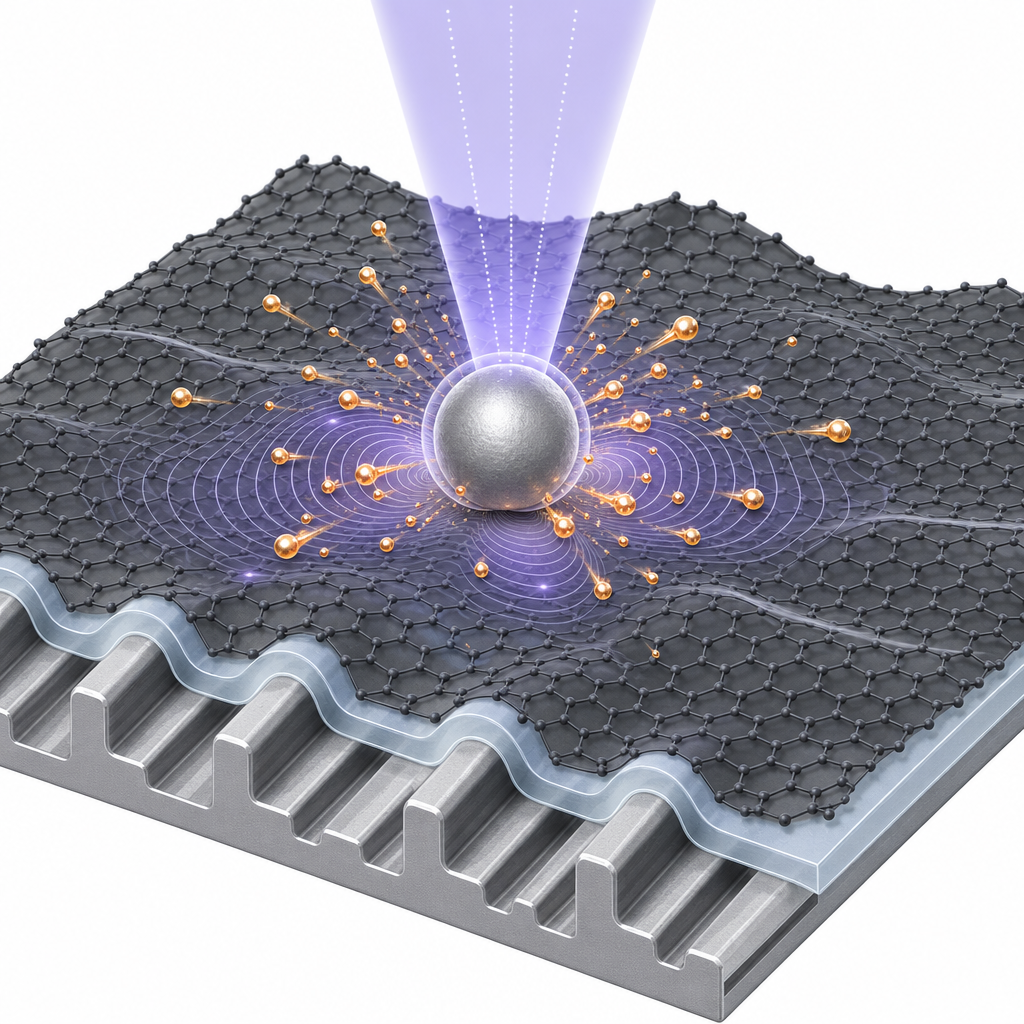
Zakiyyan, N. et al. (2022). Spallation of isolated aluminum nanoparticles by rapid photothermal heating. *ACS Applied Materials & Interfaces*. https://doi.org/10.1021/acsami.2c18678University of Missouri · ACS Applied Materials & Interfaces · 2022University of Missouri researchers used ACS Material Trivial Transfer Graphene atop a plasmonic grating to demonstrate melt-dispersion spallation of aluminum nanoparticles.
About this research
Researchers at the University of Missouri used single-layer Trivial Transfer Graphene from ACS Material as an interfacial layer on a plasmonic …
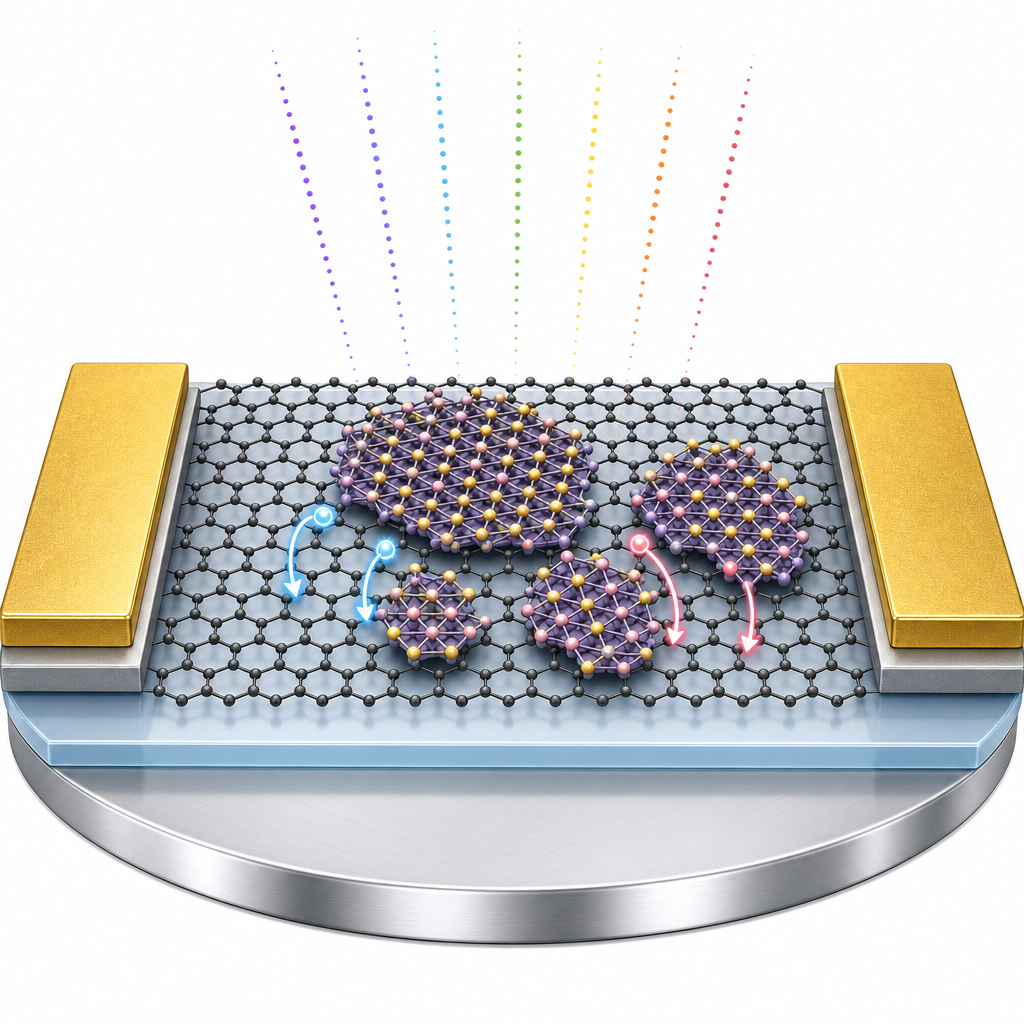
Masanta, S. et al. (2023). Monolayer graphene–MoSSe van der Waals heterostructure for highly responsive gate-tunable near-infrared-sensitive broadband fast photodetector. *ACS Applied Materials & Interfaces*. https://doi.org/10.1021/acsami.2c20707Bose Institute · ACS Applied Materials & Interfaces · 2023Bose Institute built a MoSSe/graphene heterostructure photodetector on ACS Material CVD graphene, reaching 60 A/W responsivity and ~38 ms response at 800 nm.
About this research
Researchers at Bose Institute, Kolkata, used monolayer CVD graphene purchased from ACS Material, …
Jang, H. et al. (2023). Rapid, sensitive, label-free electrical detection of SARS-CoV-2 in nasal swab samples. *ACS Applied Materials & Interfaces*. https://doi.org/10.1021/acsami.3c00331University of Chicago · ACS Applied Materials & Interfaces · 2023University of Chicago researchers used ACS Material graphene oxide to build an rGO field-effect transistor that detects SARS-CoV-2 in nasal swabs label-free.
About this research
Researchers at the University of Chicago, working with Argonne National Laboratory, used graphene oxide supplied by ACS Material (CAS 7782-42-5) to build …
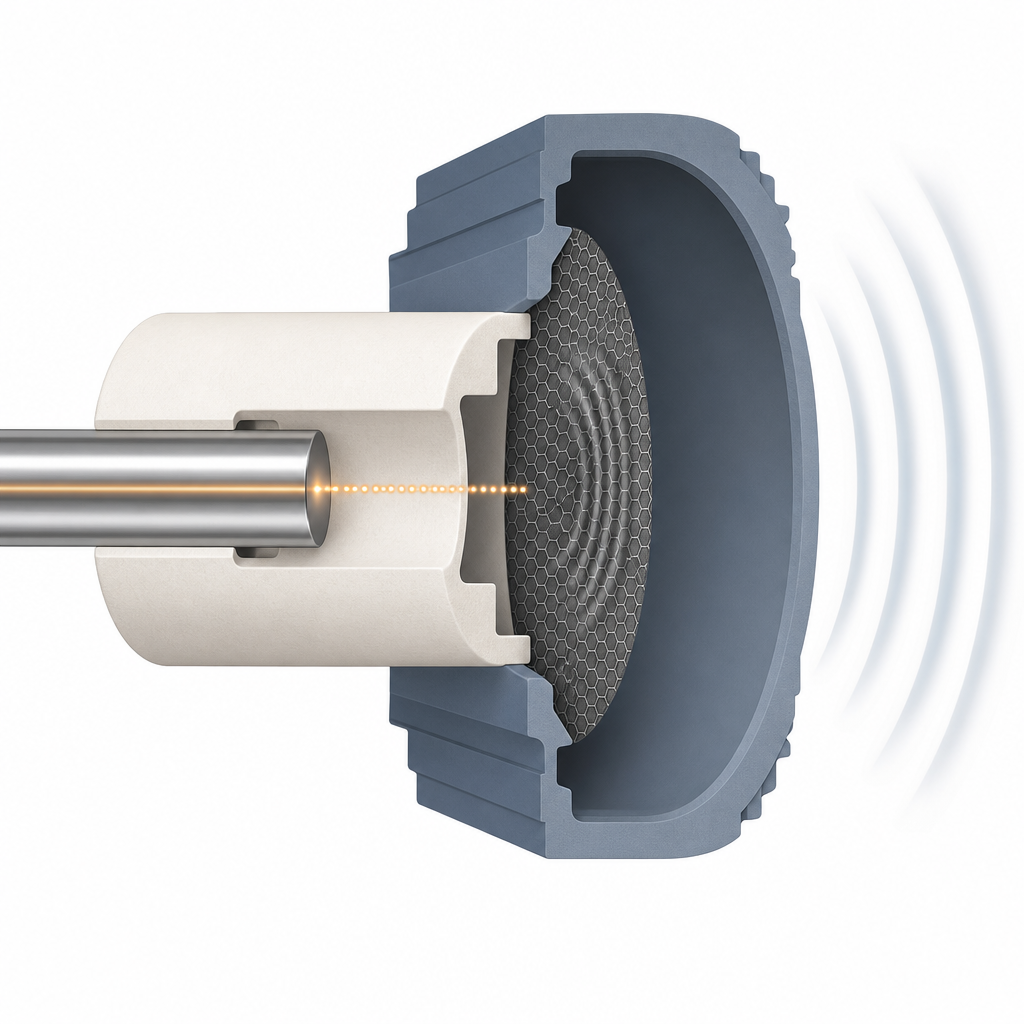
Liu, Y. et al. (2023). Ultrasensitive acoustic detection using an enlarged Fabry–Perot cavity with a graphene diaphragm. *ACS Applied Materials & Interfaces*. https://doi.org/10.1021/acsami.3c11220Beihang University · ACS Applied Materials & Interfaces · 2023Beihang University built a graphene-diaphragm Fabry–Perot acoustic sensor reaching 187.32 nm/Pa@16 kHz using ACS Material 10-layer CVD graphene on copper.
About this research
Researchers at Beihang University developed an ultrasensitive Fabry–Perot (F–P) optical acoustic sensor built around a 10-layer copper-based …
Zhuang, W. et al. (2024). Enhancing Electrochemical Sensing through Molecular Engineering of Reduced Graphene Oxide–Solution Interfaces and Remote Floating-Gate FET Analysis. *ACS Applied Materials & Interfaces*. https://doi.org/10.1021/acsami.4c03999University of Chicago · ACS Applied Materials & Interfaces · 2024University of Chicago researchers used ACS Material graphene oxide to build rGO remote floating-gate FET sensors, boosting lead-ion sensitivity by 32%.
About this research
Researchers at the University of Chicago, working with graphene oxide supplied by ACS …
Shah, V. R. et al. (2024). Modality-tunable exfoliated N-doped graphene as effective electrolyte additive for high-performance lithium–sulfur batteries. *ACS Applied Materials & Interfaces*. https://doi.org/10.1021/acsami.4c12157Cornell University · ACS Applied Materials & Interfaces · 2024Cornell University used ACS Material single-layer and N-doped graphene as commercial benchmarks for tunable N-doped graphene electrolyte additives in lithium-sulfur batteries.
About this research
Researchers at Cornell University evaluated commercial single-layer graphene and N-doped …
Friedman, K., & Yu, M. (2026). Epoxide-Modified Diethylenetriamine for Ambient-Temperature Direct Air Capture. *ACS Applied Materials & Interfaces*. https://doi.org/10.1021/acsami.5c21622Department of Chemical and Biological Engineering · ACS Applied Materials & Interfaces · 2026University at Buffalo researchers impregnated epoxide-modified DETA onto ACS Material SBA-15 to make ambient-temperature CO2 direct air capture sorbents with 97.8% retention over 50 cycles.
About this research
Researchers at the University at Buffalo used ACS Material SBA-15 mesoporous silica as …
Swiderska-Mocek, A., & Rudnicka, E. (2015). Lithium–sulphur battery with activated carbon cloth-Sulphur cathode and ionic liquid as electrolyte. *Journal of Power Sources*. https://doi.org/10.1016/j.jpowsour.2014.09.020Journal of Power Sources · 2015Poznan University of Technology used ACS Material graphene nanoplatelets and single layer graphene in a Li–S battery achieving 830 mAh/g after 50 cycles.
About this research
Researchers at Poznan University of Technology demonstrated a lithium–sulphur (Li–S) battery in which a binder-free activated carbon cloth–sulphur (ACC-S) …
Li, M. et al. (2015). Fabrication of graphene nanoplatelets-supported SiOx-disordered carbon composite and its application in lithium-ion batteries. *Journal of Power Sources*.Journal of Power Sources · 2015University of Waterloo researchers used ACS Material graphene nanoplatelets to support a SiOx-carbon anode delivering 630 mAh/g with ~100% retention over 250 cycles.
About this research
Researchers at the University of Waterloo fabricated a graphene nanoplatelets-supported SiOx-disordered carbon composite (SiOx-C/GNPs) using graphene nanoplatelets supplied by ACS Material, …
Zhou, Y. et al. (2016). Selective conversion of castor oil derived ricinoleic acid methyl ester into jet fuel. *Green Chemistry*. https://doi.org/10.1039/c6gc00942eNational Energy R&D Research Center for Biorefinery · Green Chemistry · 2016Researchers at National Energy R&D Research Center for Biorefinery used ACS Material ZSM-22 zeolite to convert castor-oil-derived methyl ricinoleate into jet fuel.
About this research
Researchers at the National Energy R&D Research Center for Biorefinery, working with Beijing University of Chemical Technology, used ACS Material ZSM-22 …
Dolle, C. et al. (2022). Atomically resolved TEM imaging of covalently functionalised graphene. *npj 2D Materials and Applications*. https://doi.org/10.1038/s41699-022-00304-wnpj 2D Materials and Applications · 2022Researchers at FAU Erlangen used ACS Material Trivial Transfer Graphene to image covalently functionalized monolayer graphene at atomic resolution by HRTEM.
About this research
Researchers at Friedrich-Alexander-Universität Erlangen-Nürnberg, together with collaborators at the Universidad de Valencia, used PMMA-coated Trivial Transfer Graphene supplied by ACS Material to …
Frischmann, P. D. et al. (2016). Redox-Active Supramolecular Polymer Binders for Lithium–Sulfur Batteries That Adapt Their Transport Properties in Operando. *Chemistry of Materials*. https://doi.org/10.1021/acs.chemmater.6b03013University of California · Chemistry of Materials · 2016UC Berkeley team uses ACS Material graphene oxide to build sulfur–GO cathodes paired with PBI/PVDF binders, delivering high-rate Li–S battery performance.
About this research
Researchers at the University of California, working through Lawrence Berkeley National Laboratory's Joint Center for Energy …
Meng, X. et al. (2017). Atomic Layer Deposition of Aluminum Sulfide: Growth Mechanism and Electrochemical Evaluation in Lithium-Ion Batteries. *Chemistry of Materials*. https://doi.org/10.1021/acs.chemmater.7b02175University of Arkansas · Chemistry of Materials · 2017University of Arkansas and Argonne researchers used ACS Material N-doped graphene nanosheets as a scaffold for ALD aluminum sulfide anodes, reaching 640 mAh/g.
About this research
Researchers at the University of Arkansas, in collaboration with Argonne National Laboratory, used nitrogen-doped graphene nanosheets (NGNS) …
Hwa, Y. et al. (2018). Aqueous-Processable Redox-Active Supramolecular Polymer Binders for Advanced Lithium/Sulfur Cells. *Chemistry of Materials*. https://doi.org/10.1021/acs.chemmater.7b03870Lawrence Berkeley National Laboratory · Chemistry of Materials · 2018Lawrence Berkeley National Laboratory researchers used ACS Material single-layer graphene oxide dispersion to build redox-active PBI-binder Li/S cathodes.
About this research
Researchers at Lawrence Berkeley National Laboratory, working with collaborators at UC Berkeley and the Joint Center for Energy Storage Research, used ACS …
Dun, C. et al. (2022). Hydrogen storage performance of preferentially oriented Mg/rGO hybrids. *Chemistry of Materials*. https://doi.org/10.1021/acs.chemmater.1c03714Chemistry of Materials · 2022Lawrence Berkeley researchers used ACS Material single-layer graphene oxide to grow {2116}-oriented Mg/rGO hybrids that absorb 6.2 wt% hydrogen.
About this research
Researchers at Lawrence Berkeley National Laboratory, working with collaborators at Lawrence Livermore National Laboratory, Sandia National Laboratories, and the Korea Institute of Science and Technology, used single-layer graphene …
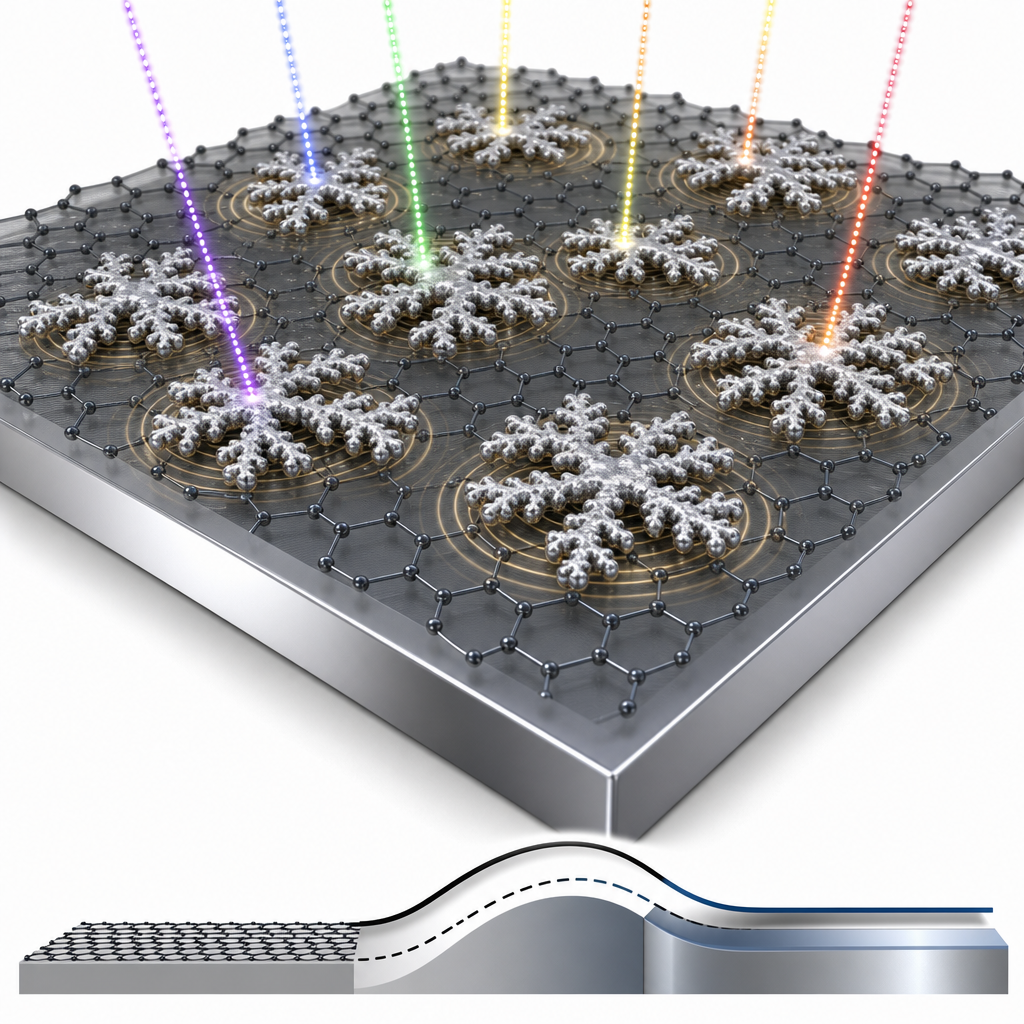
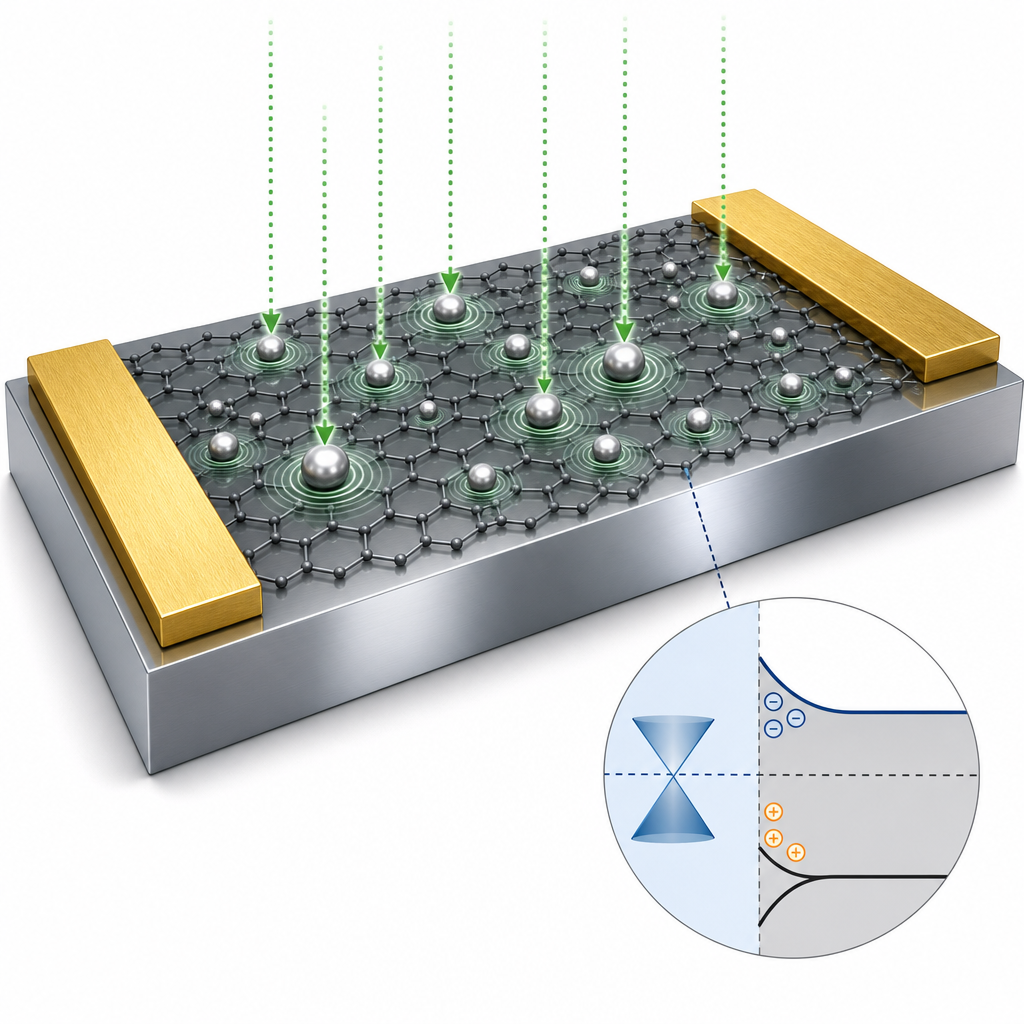
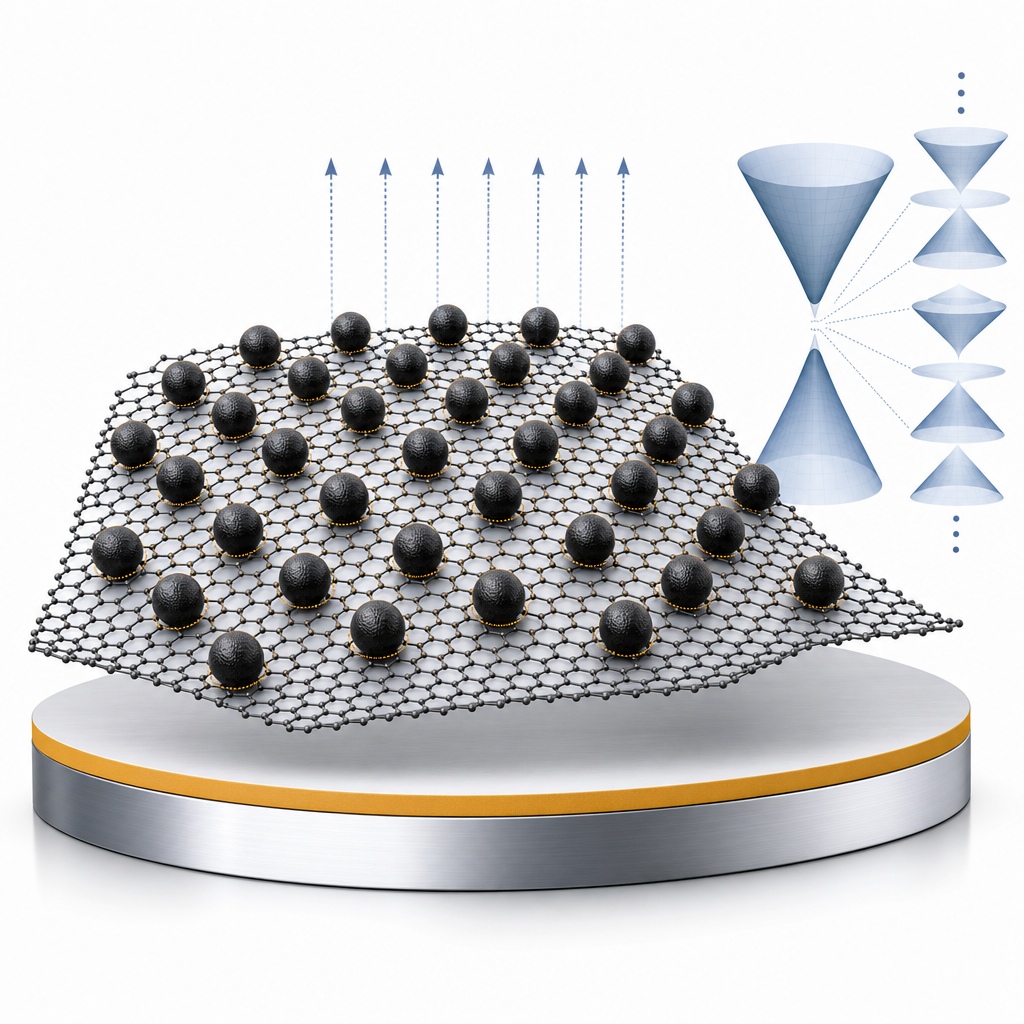
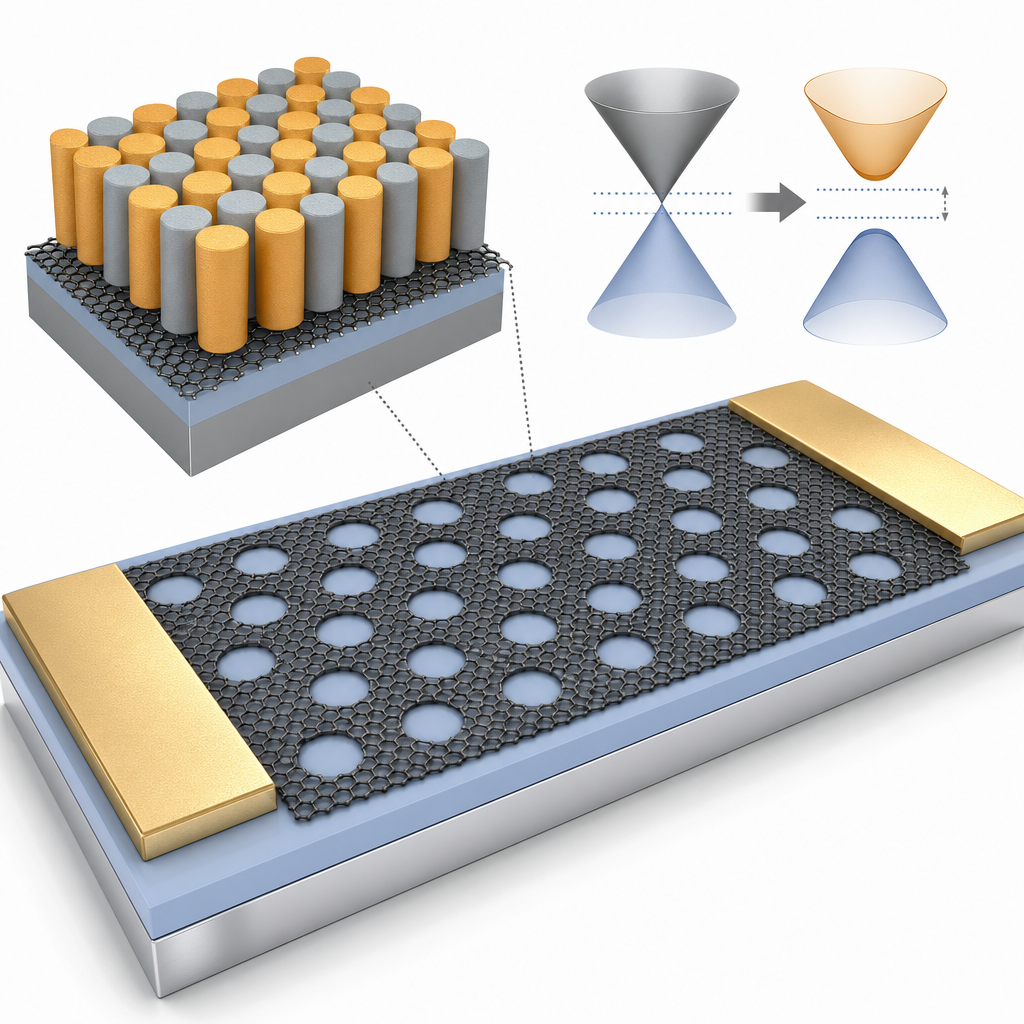
Tosun, O. et al. (2024). Tunable magnetic confinement effect in a magnetic superlattice of graphene. *npj 2D Materials and Applications*. https://doi.org/10.1038/s41699-024-00468-7npj 2D Materials and Applications · 2024University of Illinois researchers use ACS Material CVD graphene on copper to build a Fe3O4 nanosphere magnetic superlattice with tunable Dirac points.
About this research
Researchers at the University of Illinois Urbana-Champaign used CVD monolayer graphene on copper foil purchased from ACS Material LLC to demonstrate a tunable magnetic superlattice in graphene, in …
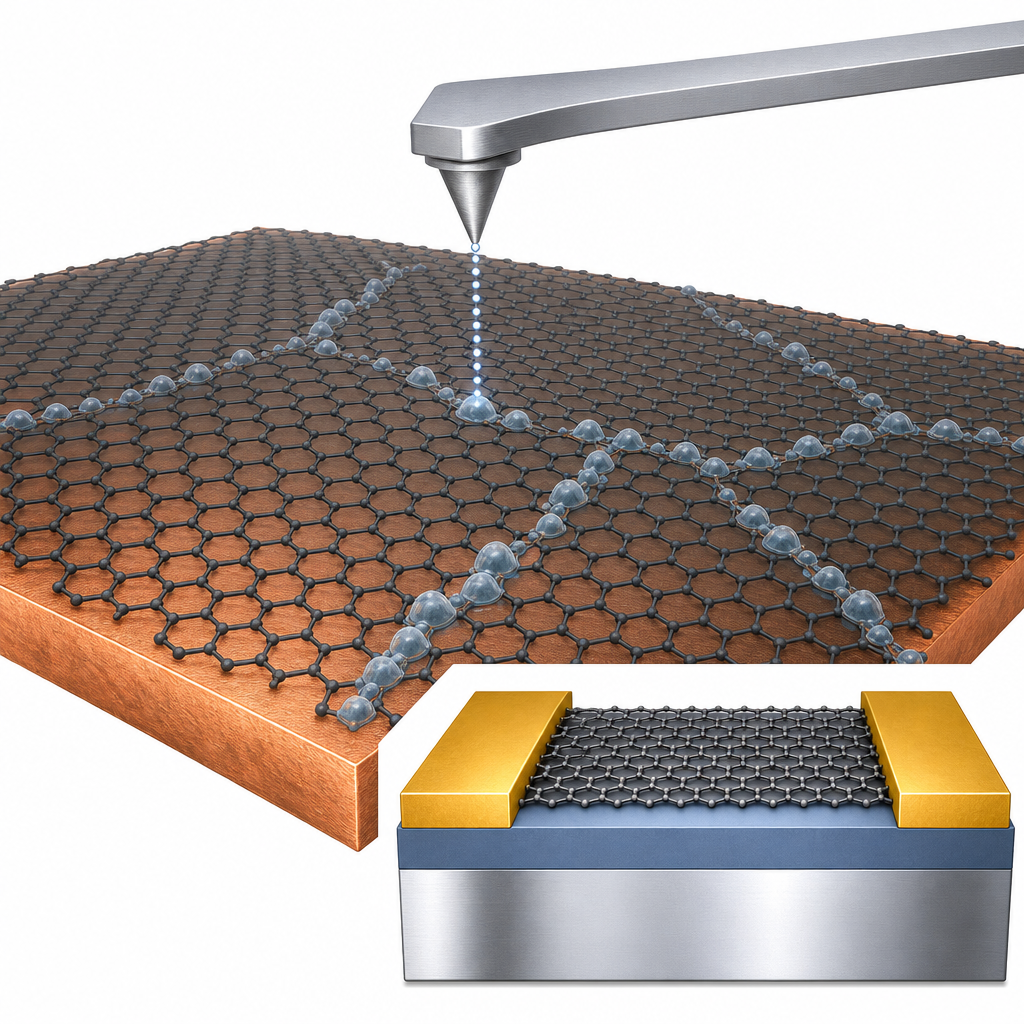
Choi, D. et al. (2014). Nanopatterned graphene field effect transistor fabricated using block co-polymer lithography. *Materials Research Letters*. https://doi.org/10.1080/21663831.2013.876676Materials Research Letters · 2014UC San Diego used ACS Material CVD single-layer graphene to fabricate nanopatterned graphene FETs with ~19 nm necks and a ~0.08 eV bandgap.
About this research
Researchers at the University of California, San Diego used CVD single-layer graphene purchased from ACS Material to fabricate nanopatterned graphene (NPG) field-effect transistors (FETs) using block …
Shi, Y. et al. (2014). Ageing mechanisms and reliability of graphene-based electrodes. *Nano Research*.Nano Research · 2014Soochow University researchers used CVD graphene on copper from ACS Material to study ageing mechanisms and oxidation-induced Ohmic-to-Schottky transitions in graphene electrodes.
About this research
Researchers at Soochow University used CVD graphene single-layer (GSL) on copper foil purchased from ACS Material to develop the first in-depth ageing and reliability methodology for graphene-based electrodes, revealing that an ultra-thin oxide layer forms on pristine …
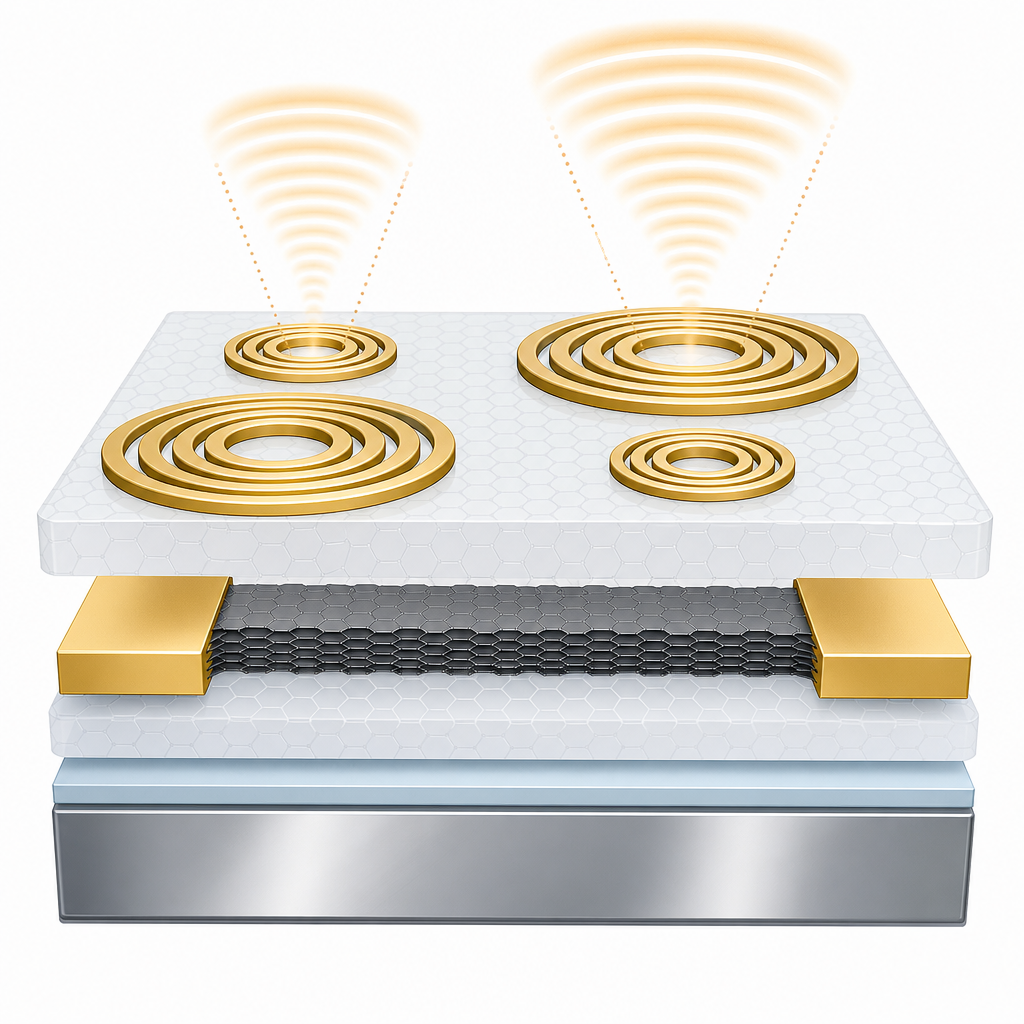
Shi, C. et al. (2018). Metamaterial-based graphene thermal emitter. *Nano Research*.Nano Research · 2018University of Exeter researchers built a dual-band mid-infrared graphene thermal emitter using ACS Material multilayer graphene and h-BN encapsulation.
About this research
Researchers at the University of Exeter demonstrated a metamaterial-based mid-infrared thermal emitter built around multilayer graphene supplied by ACS Material, achieving tailored dual-band emission at approximately 4.2 μm and 7 μm. The team combined a hexagonal boron nitride (h-BN) encapsulated multilayer …
Yadav, S. et al. (2020). Feasibility of brackish water and landfill leachate treatment by GO/MoS2-PVA composite membranes. *Science of The Total Environment*. https://doi.org/10.1016/j.scitotenv.2020.141088Science of The Total Environment · 2020University of Technology Sydney researchers used ACS Material large-area graphene oxide to fabricate GO/MoS2-PVA membranes for brackish water and landfill leachate treatment.
About this research
Researchers at the University of Technology Sydney (UTS), working with collaborators in Australia, used large surface-area graphene oxide supplied by …
Wu, M. et al. (2022). Effects of polyamide microplastic on the transport of graphene oxide in porous media. *Science of The Total Environment*. https://doi.org/10.1016/j.scitotenv.2022.157042Science of The Total Environment · 2022Jinan University used ACS Material graphene oxide to study how polyamide microplastics inhibit GO transport in saturated porous media via XDLVO modeling.
About this research
Researchers at Jinan University used graphene oxide (GO) powder supplied by ACS Material to quantify how polyamide (PA) microplastics influence the transport of GO through saturated porous …
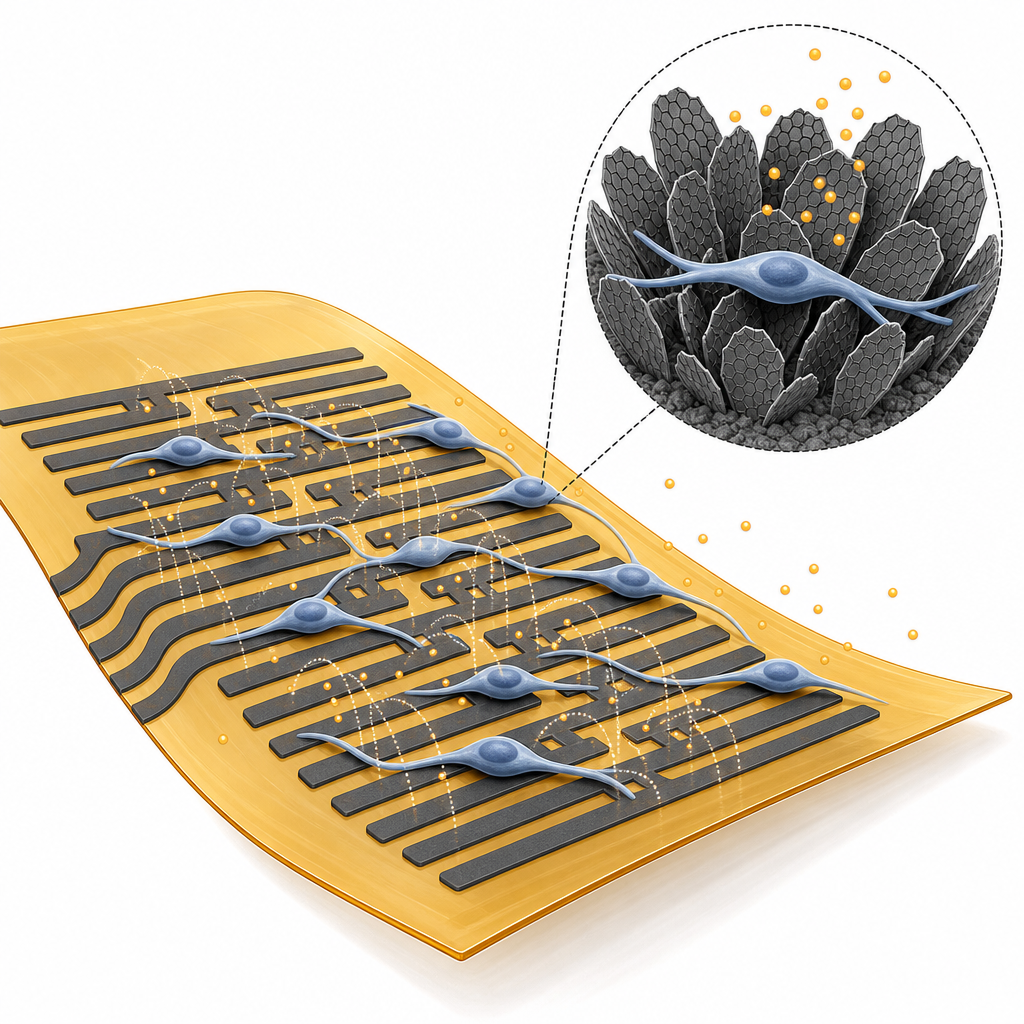
Das, S. R. et al. (2017). Electrical Differentiation of Mesenchymal Stem Cells into Schwann-Cell-Like Phenotypes Using Inkjet-Printed Graphene Circuits. *Advanced Healthcare Materials*. https://doi.org/10.1002/adhm.201601087Department of Mechanical Engineering Iowa State University Ames IA 50011 USA · Advanced Healthcare Materials · 2017Iowa State researchers used ACS Material reduced graphene oxide to inkjet-print flexible IDE circuits that electrically differentiated MSCs into Schwann-cell-like phenotypes.
About this research
Researchers at the Department of Mechanical Engineering …
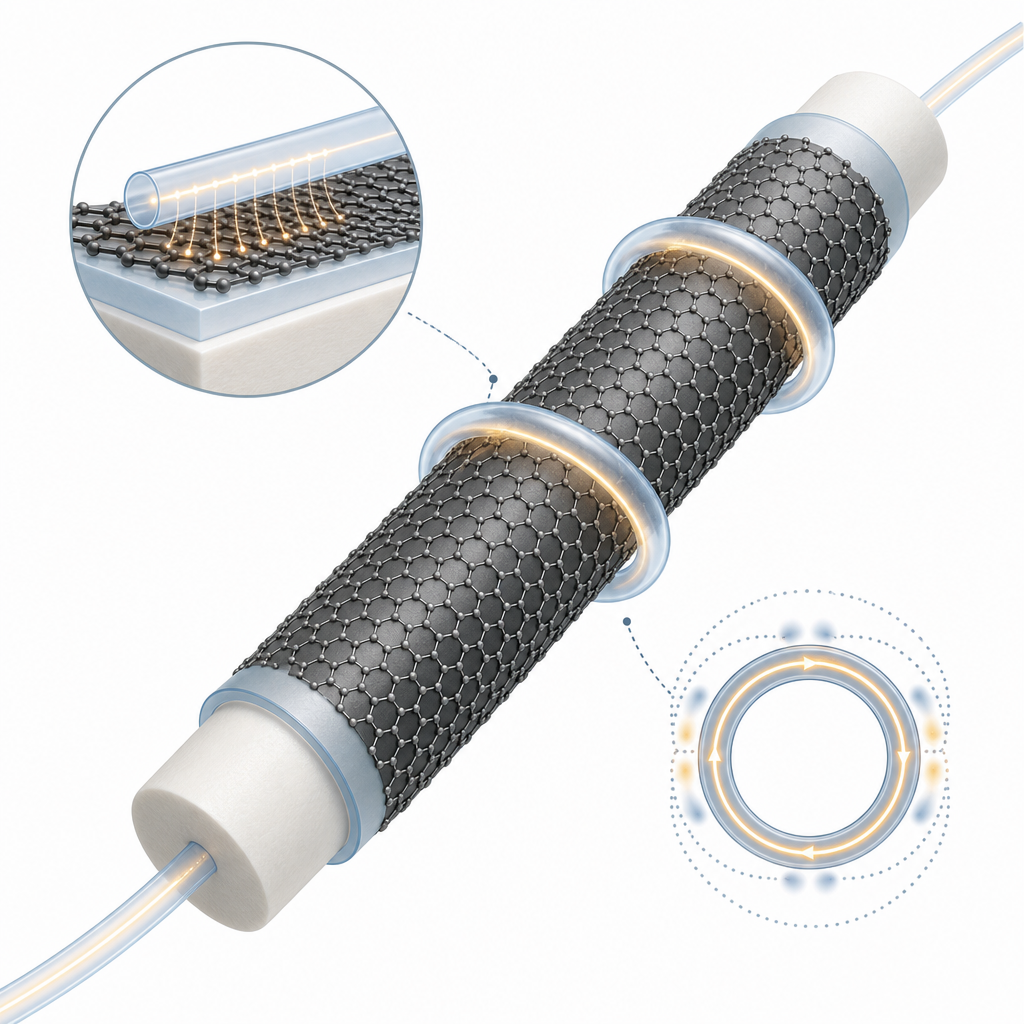
Kou, J. et al. (2014). Platform for enhanced light–graphene interaction length and miniaturizing fiber stereo devices. *Optica*. https://doi.org/10.1364/optica.1.000307Optica · 2014Nanjing University used ACS Material CVD monolayer graphene with a wrap-on-a-rod microfiber to build a broadband fiber polarizer and high-Q resonator at 1550 nm.
About this research
Researchers at Nanjing University, led by Fei Xu and Yan-qing Lu, demonstrated a new fiber-photonics platform that wraps a subwavelength microfiber around a graphene-coated rod, using ACS Material monolayer CVD graphene to …
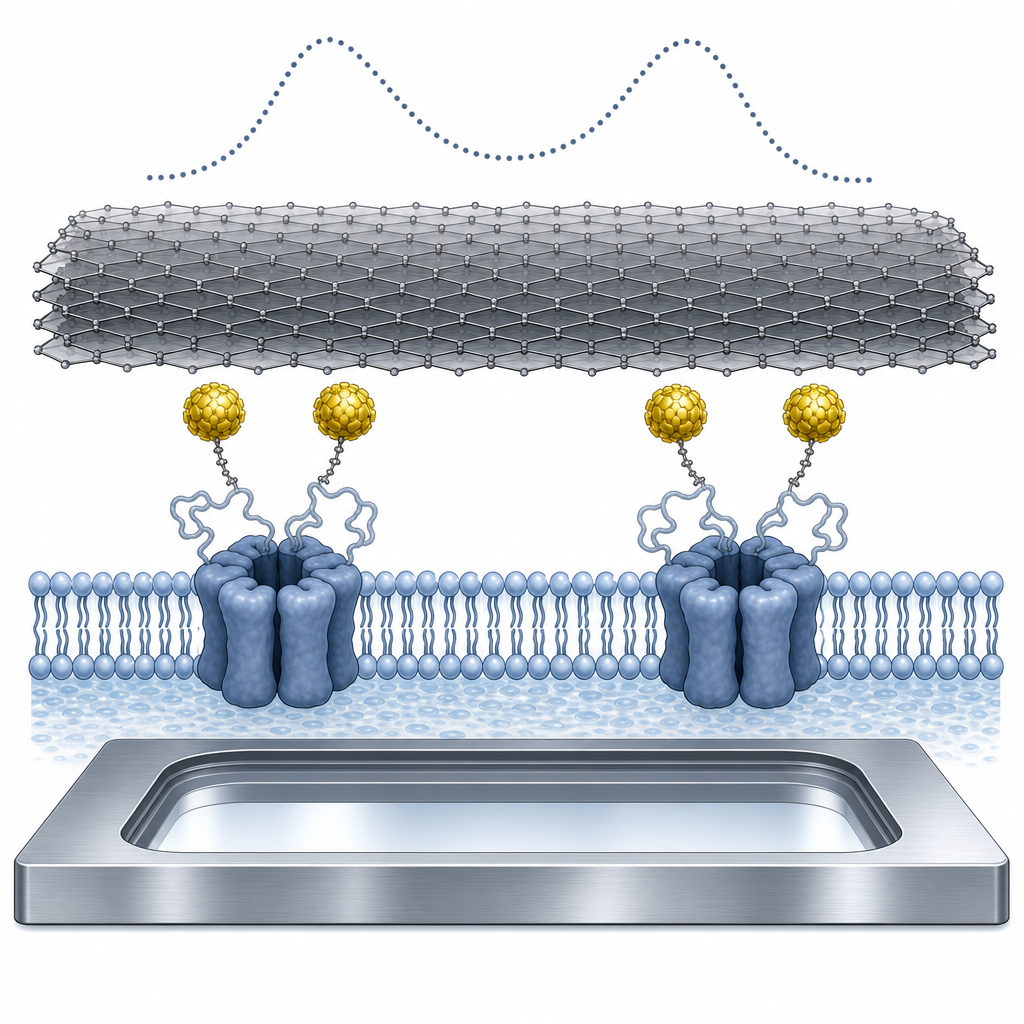
Alansary, D. et al. (2020). Detecting single ORAI1 proteins within the plasma membrane reveals higher-order channel complexes. *Journal of Cell Science*. https://doi.org/10.1242/jcs.240358University of Saarland · Journal of Cell Science · 2020Researchers at the University of Saarland used ACS Material Trivial Transfer multilayer graphene to enable liquid-phase STEM imaging of single ORAI1 channels.
About this research
Researchers at the University of Saarland used ACS Material Trivial Transfer multilayer graphene as a liquid enclosure to image single ORAI1 calcium channel proteins in …
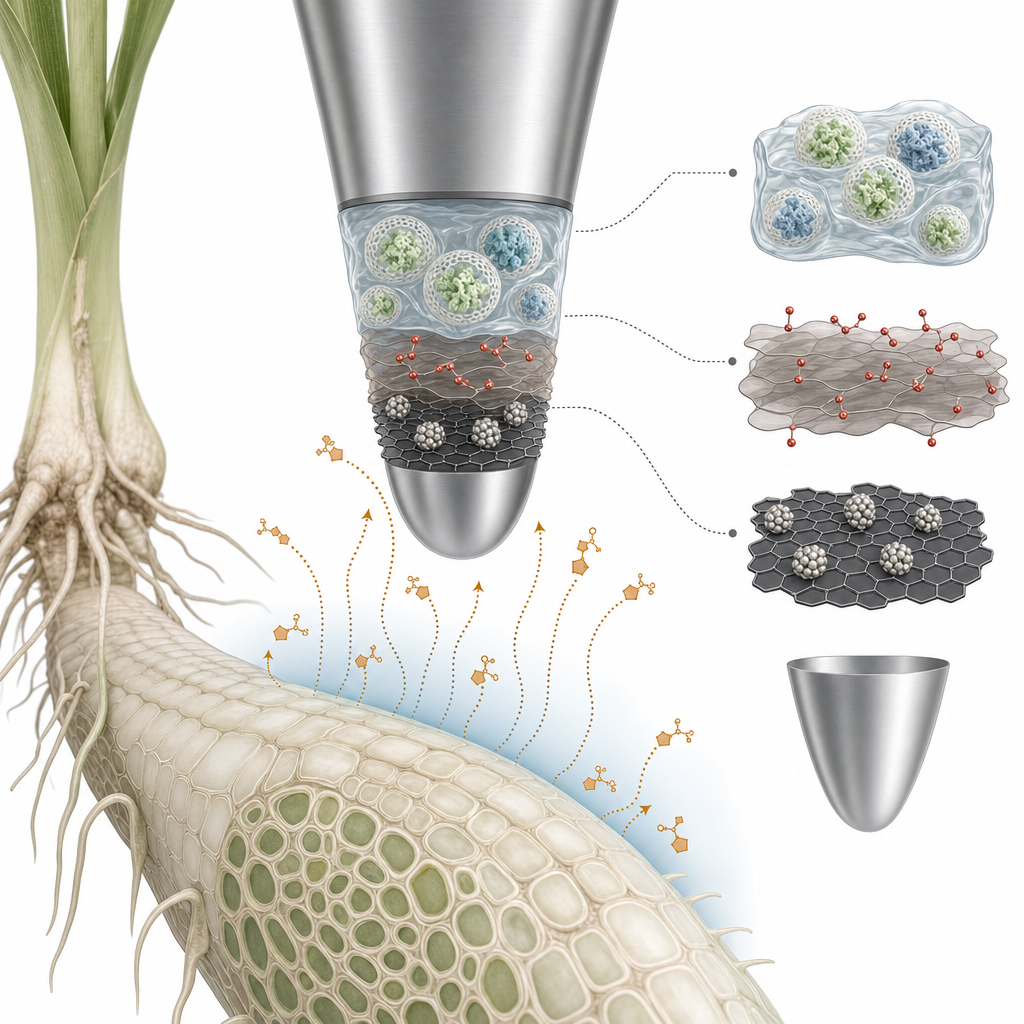
Vanegas, D. C. et al. (2015). A self-referencing biosensor for real-time monitoring of physiological ATP transport in plant systems. *Biosensors and Bioelectronics*. https://doi.org/10.1016/j.bios.2015.05.027Biosensors and Bioelectronics · 2015University of Florida researchers built a self-referencing ATP micro-biosensor on an rGO/nanoplatinum electrode using ACS Material single-layer graphene oxide, reaching a 1.3 nM detection limit.
About this research
Researchers at the University of Florida, together with collaborators at the University of Texas at Austin and the University of …
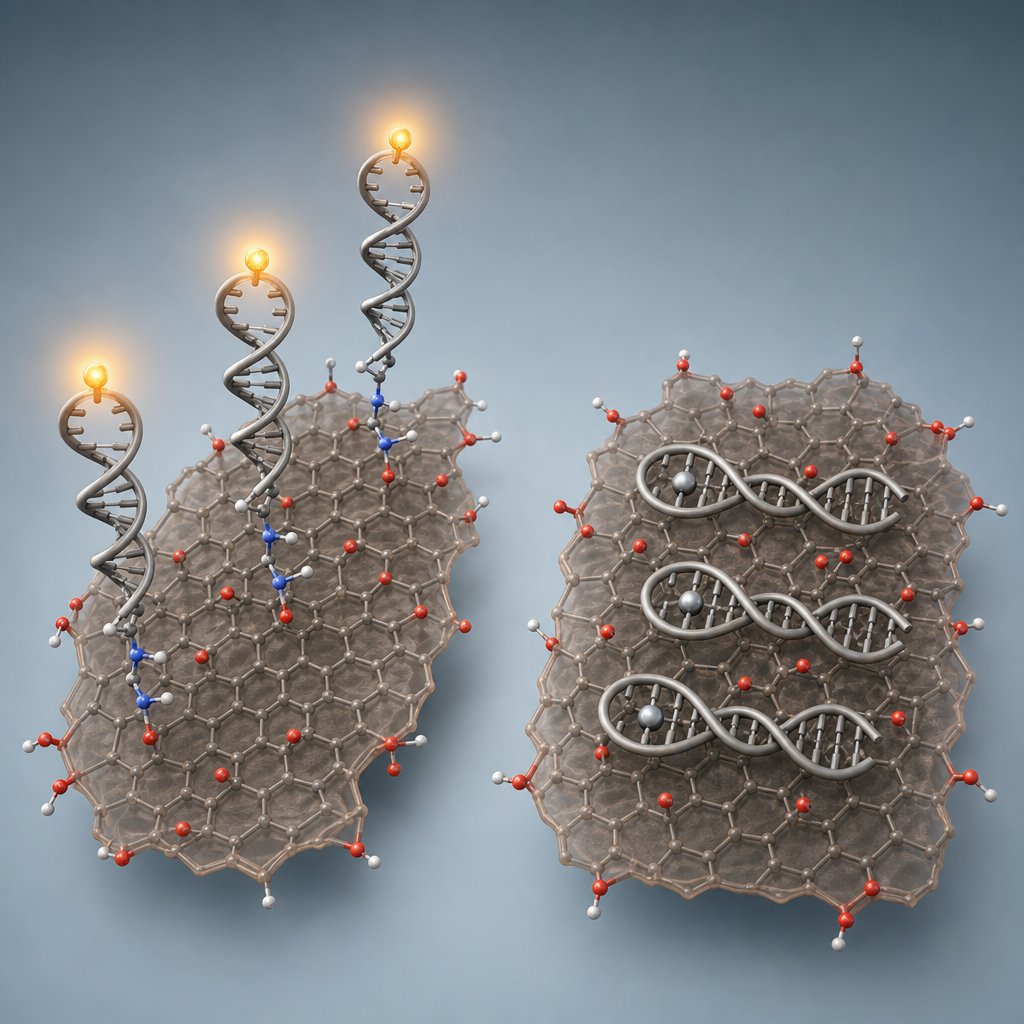
Lu, C. et al. (2016). Covalent linking DNA to graphene oxide and its comparison with physisorbed probes for Hg2+ detection. *Biosensors and Bioelectronics*.Biosensors and Bioelectronics · 2016Researchers at the University of Waterloo used ACS Material carboxyl graphene oxide to build covalent and physisorbed DNA biosensors for mercury detection.
About this research
Researchers at the University of Waterloo, in collaboration with Zhejiang University, used carboxyl graphene oxide (GO) purchased from ACS Material to systematically compare covalently linked DNA probes against physisorbed …
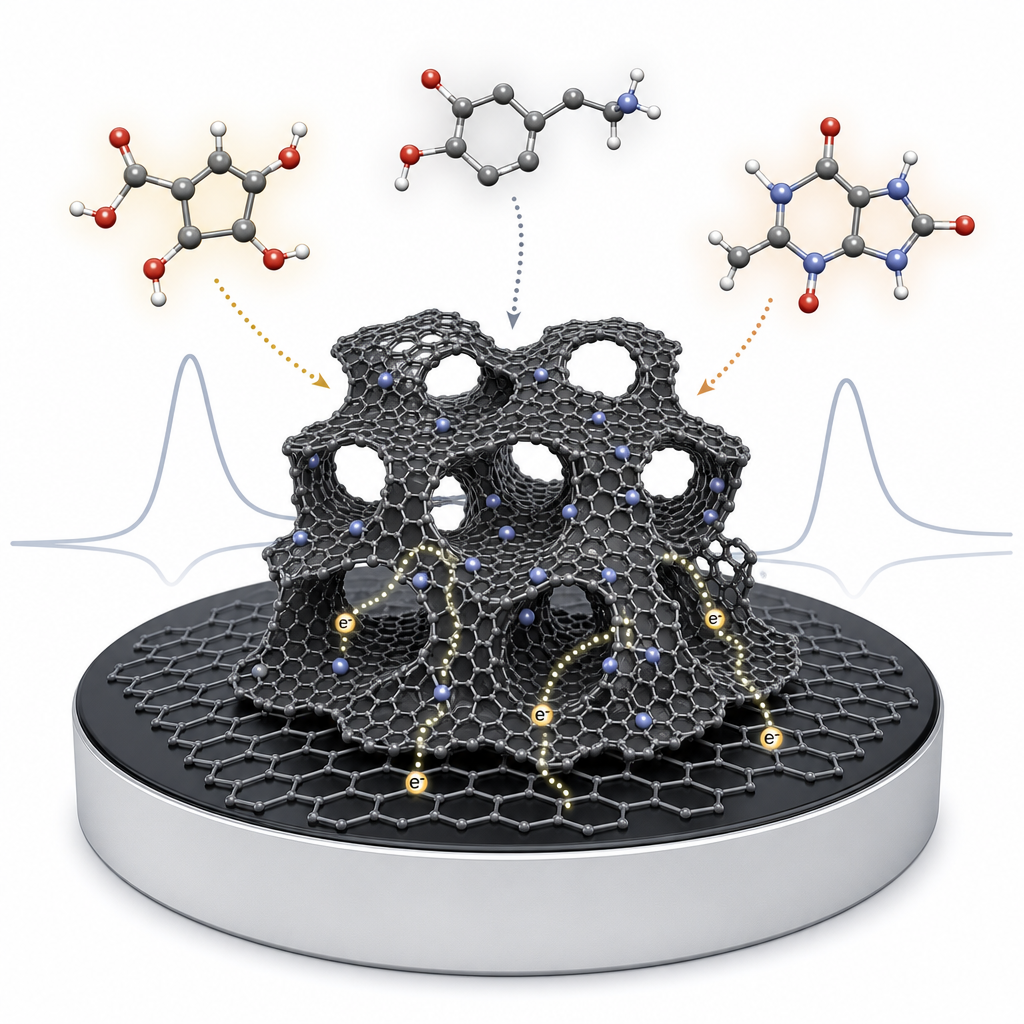
Deng, W. et al. (2016). Three-dimensional graphene-like carbon frameworks as a new electrode material for electrochemical determination of small biomolecules. *Biosensors and Bioelectronics*.Biosensors and Bioelectronics · 2016Hunan Normal University researchers benchmarked 3D graphene-like carbon frameworks against ACS Material commercial graphene for simultaneous detection of ascorbic acid, dopamine, and uric acid.
About this research
Researchers at Hunan Normal University used commercial graphene (CG) purchased from ACS Material, LLC as the benchmark electrode material against which …
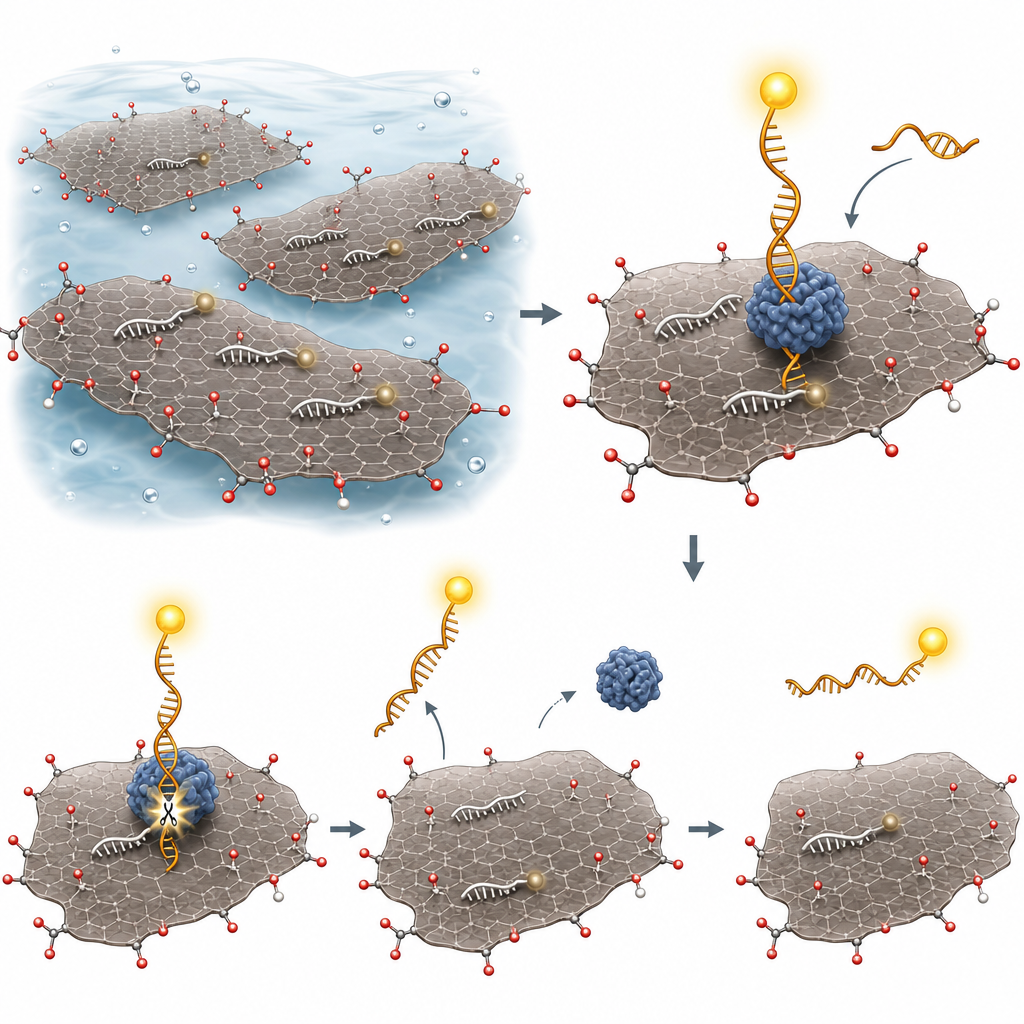
Robertson, N. M. et al. (2017). Unlocked Nucleic Acids for miRNA detection using two dimensional nano-graphene oxide. *Biosensors and Bioelectronics*. https://doi.org/10.1016/j.bios.2016.02.058Biosensors and Bioelectronics · 2017University at Albany SUNY researchers used ACS Material carboxyl graphene oxide with UNA probes and dsDNase to detect miR-10b with 70-fold specificity.
About this research
Researchers at the University at Albany, State University of New York used carboxyl graphene oxide water dispersion from ACS Material to construct a two-dimensional fluorescent biosensor that …
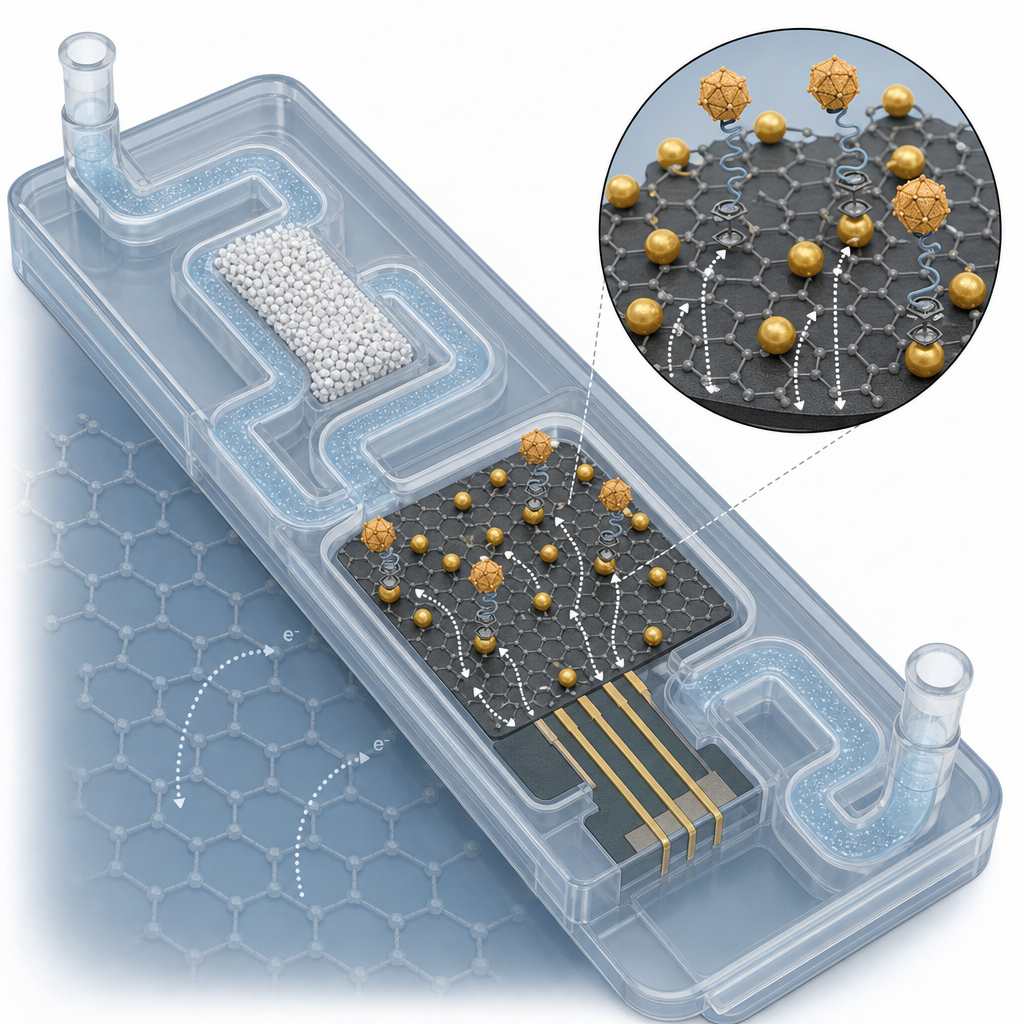
Chand, R., & Neethirajan, S. (2017). Microfluidic platform integrated with graphene-gold nano-composite aptasensor for one-step detection of norovirus. *Biosensors and Bioelectronics*.Biosensors and Bioelectronics · 2017University of Guelph researchers used ACS Material graphene dispersion to build a microfluidic graphene–gold aptasensor detecting norovirus down to 100 pM.
About this research
Researchers at the University of Guelph (Canada) used graphene dispersion purchased from ACS Material to fabricate a graphene–gold nanocomposite aptasensor integrated into a …
Albelda, J. A. et al. (2017). Graphene-titanium dioxide nanocomposite based hypoxanthine sensor for assessment of meat freshness. *Biosensors and Bioelectronics*. https://doi.org/10.1016/j.bios.2016.03.041Biosensors and Bioelectronics · 2017Purdue University researchers used ACS Material graphene to build a TiO2-graphene amperometric hypoxanthine sensor that tracks pork freshness over 7 days.
About this research
Researchers at Purdue University's School of Materials Engineering, working with collaborators at De La Salle University in Manila, used graphene supplied by ACS Material as …
Ahmed, S. R. et al. (2018). Optoelectronic fowl adenovirus detection based on local electric field enhancement on graphene quantum dots and gold nanobundle hybrid. *Biosensors and Bioelectronics*. https://doi.org/10.1016/j.bios.2017.12.028Biosensors and Bioelectronics · 2018Researchers at the University of Guelph used ACS Material graphene to synthesize GQDs for an optoelectronic fowl adenovirus biosensor with 8.75 PFU/mL LOD.
About this research
Researchers at the University of Guelph used graphene nanopowder supplied by ACS Material, LLC (Pasadena, CA, USA; Lot No. GNCP0005) as the …
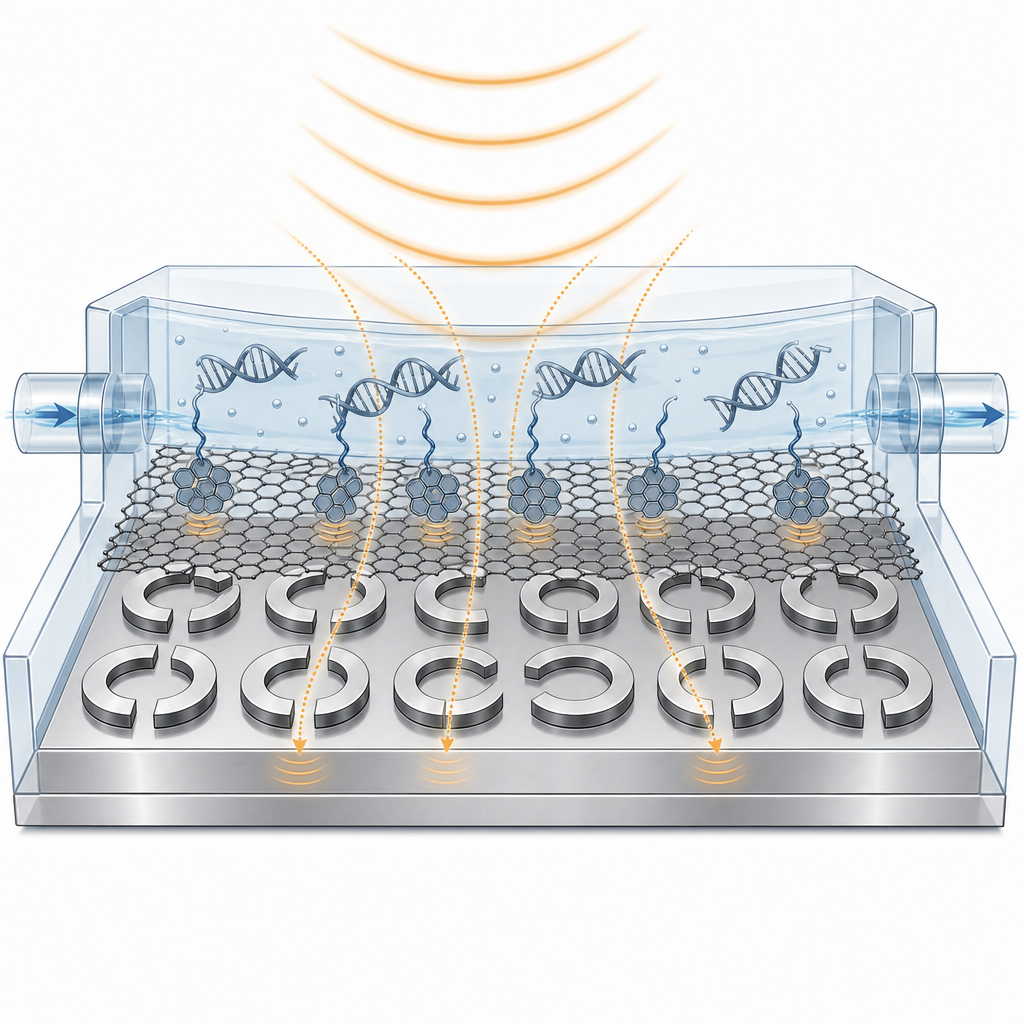
Zhou, R. et al. (2021). Label-free terahertz microfluidic biosensor for sensitive DNA detection using graphene-metasurface hybrid structures. *Biosensors and Bioelectronics*. https://doi.org/10.1016/j.bios.2021.113336Biosensors and Bioelectronics · 2021Zhejiang University built a label-free THz microfluidic biosensor using ACS Material Trivial Transfer Graphene, detecting 100 nM E. coli O157:H7 DNA.
About this research
Researchers at Zhejiang University developed a label-free terahertz (THz) microfluidic biosensor built around ACS Material's CVD-grown Trivial Transfer Graphene, …
Farjami, E., Rottmayer, M. A., & Deiner, L. J. (2013). Evidence for oxygen reduction reaction activity of a Ni(OH)2/Graphene oxide catalyst. *Journal of Materials Chemistry A*. https://doi.org/10.1039/c3ta13351fJournal of Materials Chemistry A · 2013Researchers at City University of New York used ACS Material graphite oxide to build a Ni(OH)2/graphene oxide ORR catalyst with +110 mV peak shift.
About this research
Researchers at the City University of New York (New York City College of Technology), working with the Air Force Research Laboratory, used graphite oxide supplied by ACS …
Cheng, J. et al. (2013). Self-Assembled V2O5 nanosheets/Reduced graphene oxide hierarchical nanocomposite as a high-Performance cathode material for lithium ion batteries. *Journal of Materials Chemistry A*. https://doi.org/10.1039/c3ta12066jJournal of Materials Chemistry A · 2013Researchers at China Academy of Engineering Physics used ACS Material single-layer graphene oxide to build a V2O5/RGO cathode delivering 138 mAh/g at 10C.
About this research
Researchers at the China Academy of Engineering Physics, working with collaborators at Lawrence Berkeley National Laboratory, used …
Zhang, G. et al. (2016). Facile synthesis of graphene nanoplate-Supported porous Pt–Cu alloys with high electrocatalytic properties for methanol oxidation. *Journal of Materials Chemistry A*. https://doi.org/10.1039/c5ta09937dSchool of Chemical Engineering and Technology · Journal of Materials Chemistry A · 2016Researchers used ACS Material graphene nanoplates to support porous Pt-Cu alloy nanocrystals, delivering high methanol oxidation activity in alkaline media.
About this research
Researchers at the School of Chemical Engineering and Technology (Tianjin University) report a …
Xu, W. et al. (2016). Direct growth of an economic green energy storage material: a monocrystalline jarosite-KFe 3 (SO 4) 2 (OH) 6-nanoplates@ rGO hybrid as a superior lithium-ion …. *Journal of Materials Chemistry A*. https://doi.org/10.1039/c5ta10622bDepartment of Mechanical & Industrial Engineering · Journal of Materials Chemistry A · 2016LSU researchers used ACS Material single-layer graphene oxide to template monocrystalline KFe3(SO4)2(OH)6 nanoplates, yielding a high-rate Li-ion battery cathode.
About this research
Researchers at Louisiana State University, working with …
Choi, H. Y. et al. (2017). Organic electronic synapses with pinched hystereses based on graphene quantum-Dot nanocomposites. *NPG Asia Materials*. https://doi.org/10.1038/am.2017.133NPG Asia Materials · 2017Hanyang University researchers built PEDOT:PSS/GQD organic electronic synapses with pinched hysteresis using ACS Material graphene quantum dots.
About this research
Researchers at Hanyang University demonstrated organic electronic synapses based on PEDOT:PSS/graphene quantum dot (GQD) nanocomposites using a GQD aqueous suspension supplied by ACS Material, and showed that the devices …
Daubert, J. S. et al. (2017). Intrinsic limitations of atomic layer deposition for pseudocapacitive metal oxides in porous electrochemical capacitor electrodes. *Journal of Materials Chemistry A*. https://doi.org/10.1039/c7ta02719bDepartment of Chemical and Biomolecular Engineering · Journal of Materials Chemistry A · 2017North Carolina State University used ACS Material Porous Carbon to define ALD V2O5 coating limits in micro-, meso- and macroporous electrochemical capacitor electrodes.
About this research
Researchers led by Gregory N. Parsons at North Carolina State University used …
Kwon, J. E. et al. (2018). Triptycene-Based quinone molecules showing multi-Electron redox reactions for large capacity and high energy organic cathode materials in Li-Ion batteries. *Journal of Materials Chemistry A*. https://doi.org/10.1039/c7ta09968aCenter for Supramolecular Optoelectronic Materials (CSOM) · Journal of Materials Chemistry A · 2018Researchers used CMK-3 ordered mesoporous carbon (BET1000, ACS Material) to confine triptycene-tribenzoquinone cathodes, delivering 387 mAh/g and 1032 Wh/kg with 80% retention after 100 cycles.
He, Y. et al. (2018). Porous hybrid aerogels with ultrahigh sulfur loading for lithium–sulfur batteries. *Journal of Materials Chemistry A*. https://doi.org/10.1039/c8ta01750fEnergy Technology Research Institute · Journal of Materials Chemistry A · 2018AIST researchers built RGA@S aerogels from ACS Material graphite oxide, delivering 22.2 mg cm⁻² sulfur loading and 0.013% per-cycle fade over 2000 cycles.
About this research
Researchers at the National Institute of Advanced Industrial Science and Technology (AIST), in collaboration with the University of Tsukuba and Nanjing …
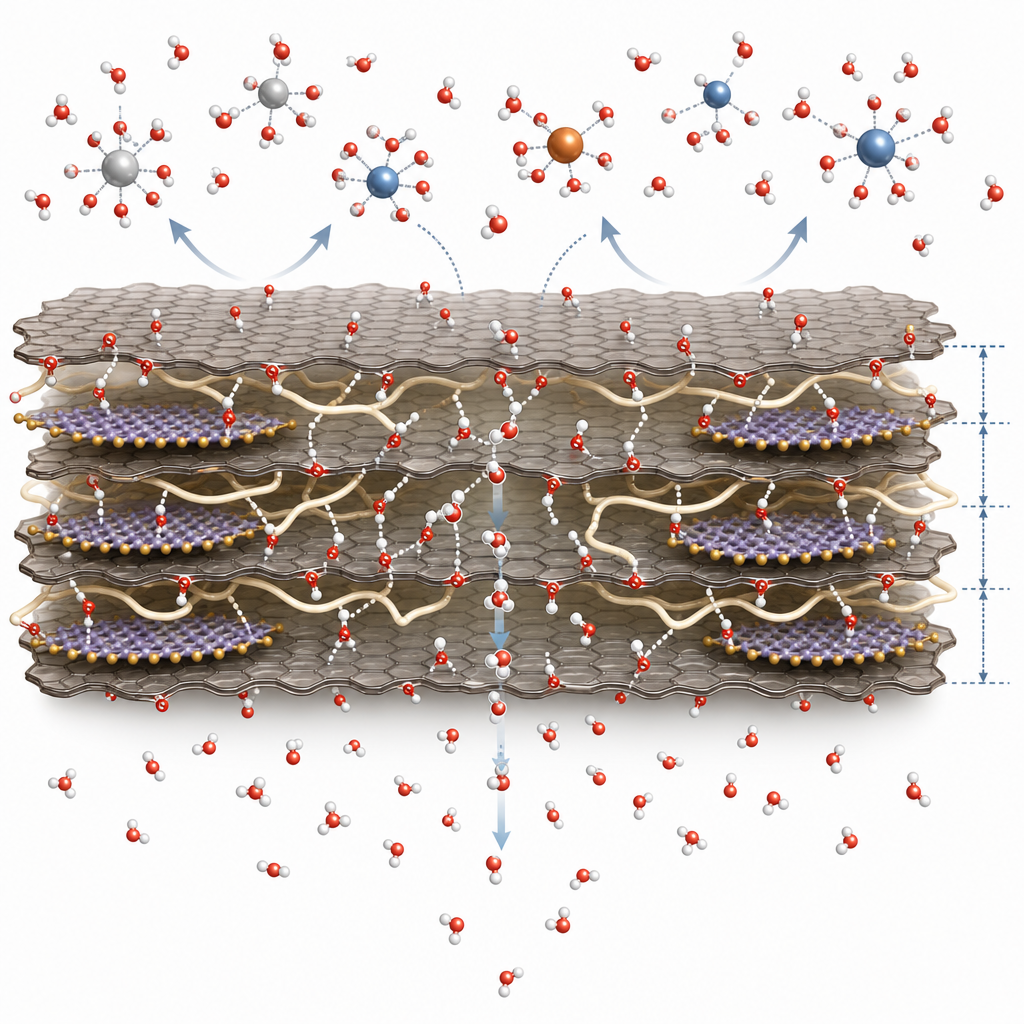
Iakunkov, A. et al. (2019). Swelling of graphene oxide membranes in alcohols: effects of molecule size and air ageing. *Journal of Materials Chemistry A*. https://doi.org/10.1039/c9ta01902bDepartment of Physics · Journal of Materials Chemistry A · 2019Umeå University researchers used ACS Material graphite oxide to show how GO membrane swelling in alcohols changes with molecule size and air ageing.
About this research
Researchers from the Department of Physics at Umeå University used commercial ACS Material Hummers graphite oxide (HGO1) to systematically investigate how graphene …
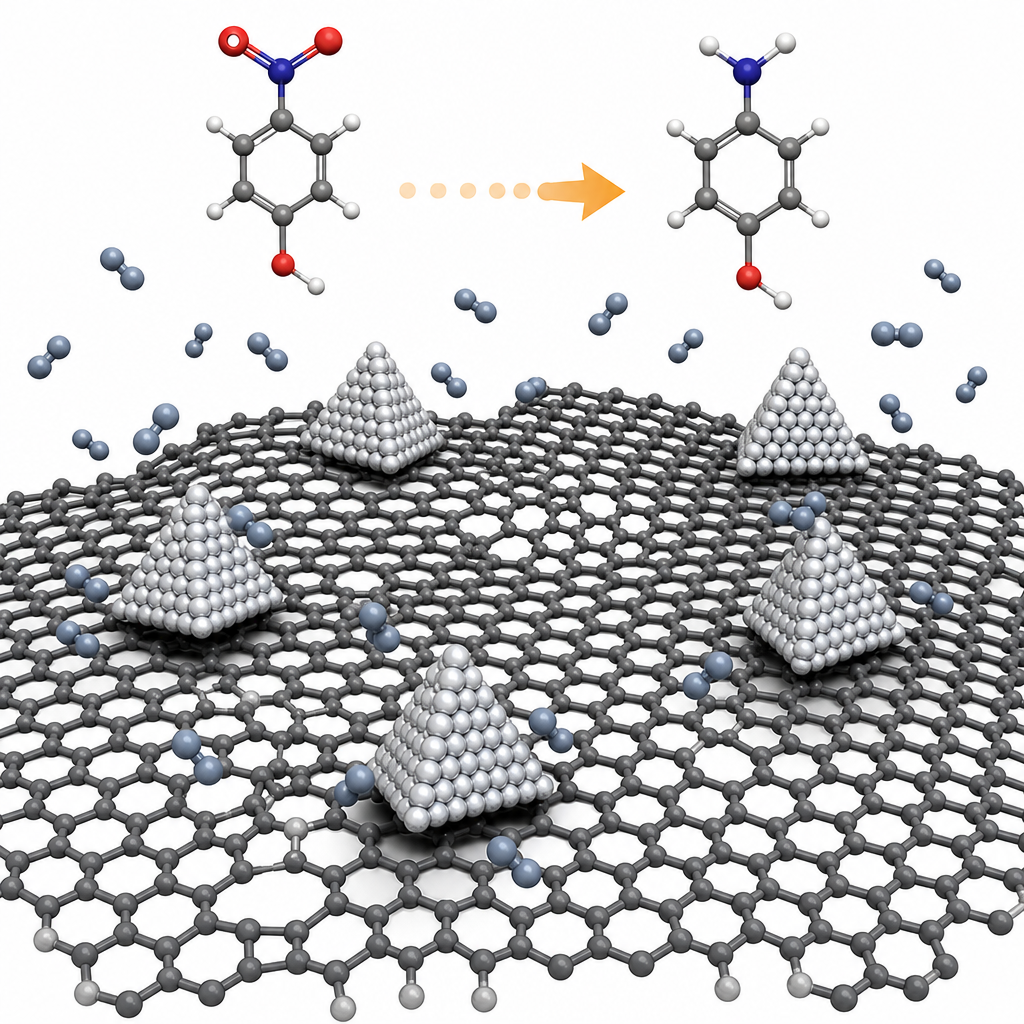
Oh, K. H. et al. (2024). Novel solid-state synthesis of surfactant-and solvent-free Pd tetrahedron nanocatalysts. *Journal of Materials Chemistry A*. https://doi.org/10.1039/d3ta06056jClean Fuel Laboratory · Journal of Materials Chemistry A · 2024Korea Institute of Energy Research used ACS Material single-layer graphene to support surfactant-free tetrahedral Pd nanocatalysts, achieving 13.2 kJ/mol activation energy for 4-nitrophenol reduction.
About this research
Researchers at the Korea Institute of Energy Research, together with collaborators at Korea University, Pusan National …
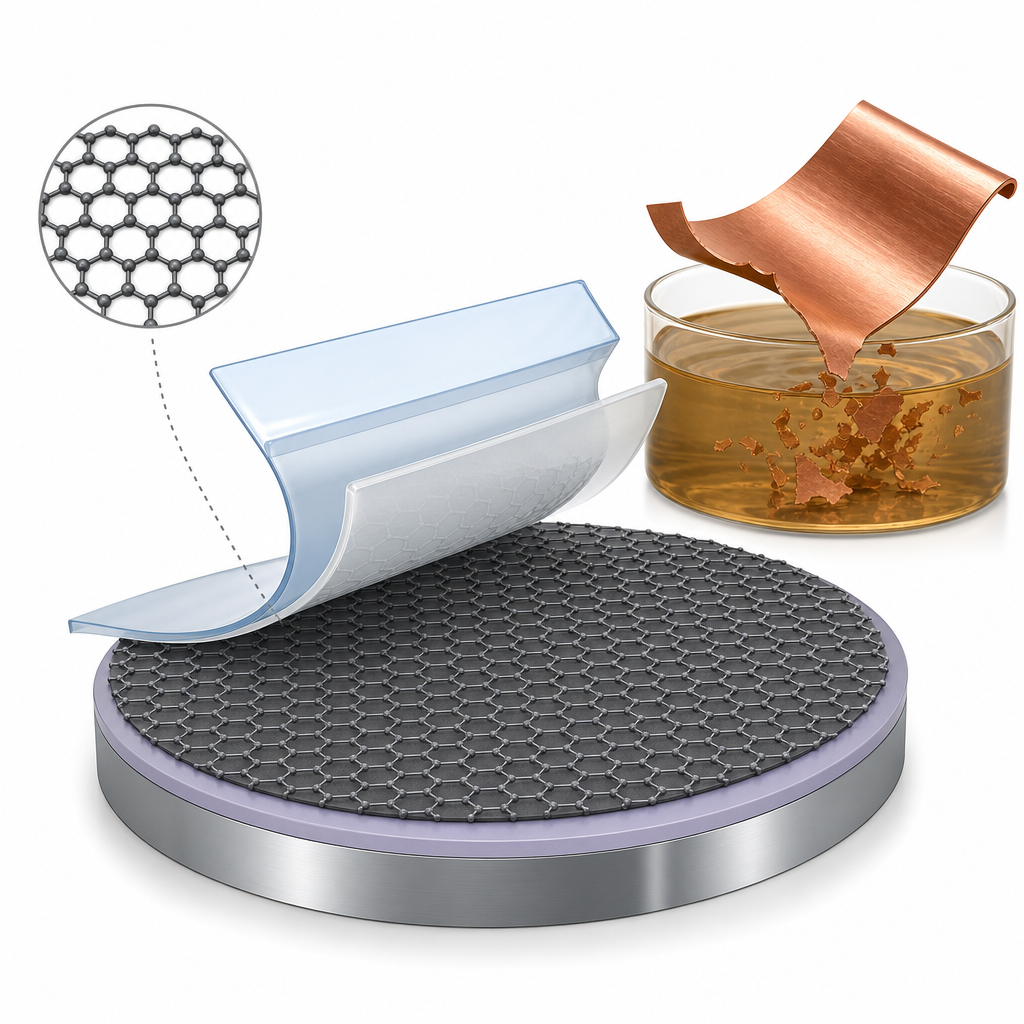
Chen, X. et al. (2013). High-Quality and efficient transfer of large-Area graphene films onto different substrates. *Carbon*. https://doi.org/10.1016/j.carbon.2013.01.011Carbon · 2013Nankai University researchers used ACS Material CVD graphene on copper foil to develop a fast, low-cost PET/silicone transfer method for large-area graphene.
About this research
Researchers at Nankai University, working in the Key Laboratory of Weak Light Nonlinear Photonics and the Key Laboratory of Functional Polymer Materials, used ACS Material CVD graphene on copper foil (ACS Material Graphene/Cu) to …
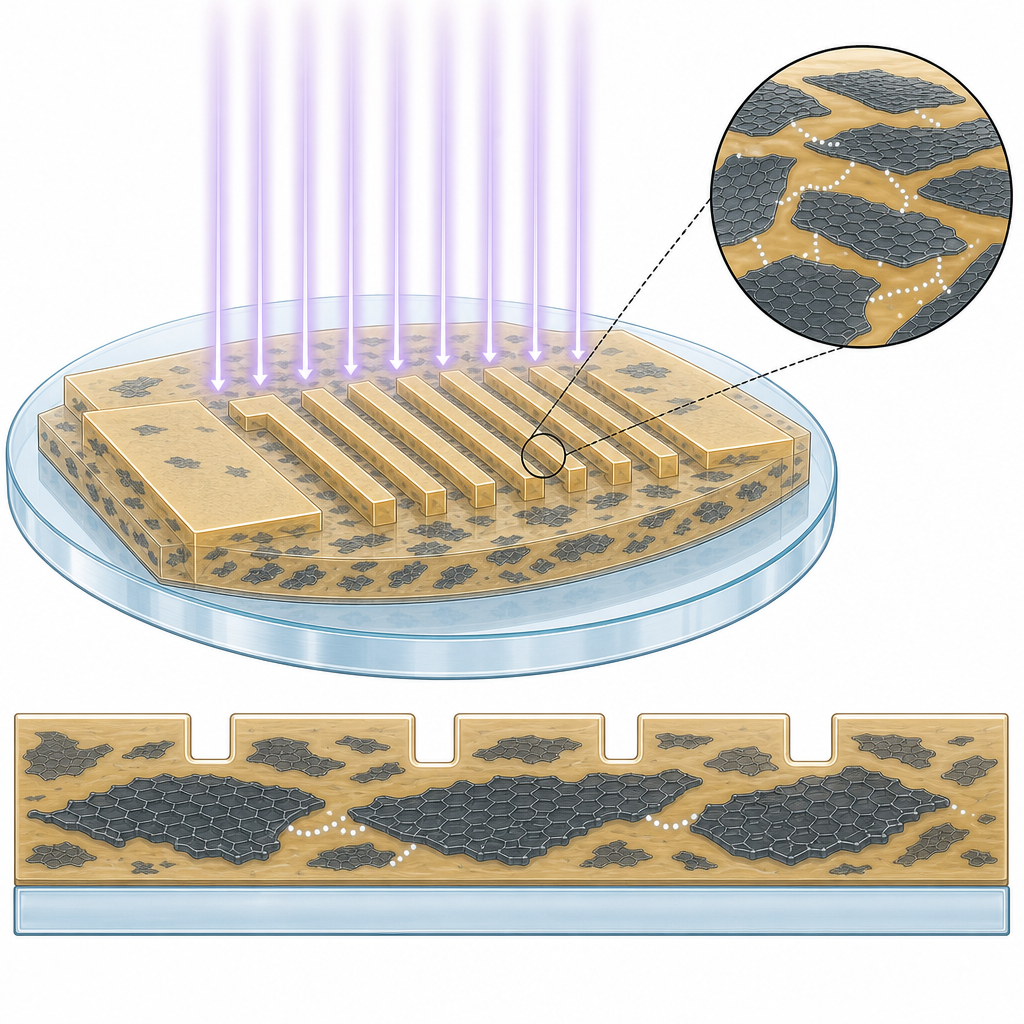
Majidian, M. et al. (2014). Electrical conduction of photo-Patternable SU8–graphene composites. *Carbon*. https://doi.org/10.1016/j.carbon.2014.08.075Carbon · 2014EPFL researchers used ACS Material RGO to develop photo-patternable SU8-graphene composites with high conductivity at low filler loadings and 10 μm lithographic resolution.
About this research
Researchers at the Ecole Polytechnique Fédérale de Lausanne (EPFL) used Reduced Graphene Oxide (RGO) supplied by ACS Material as the conductive nanofiller to develop a new photo-patternable SU8–graphene composite, achieving …
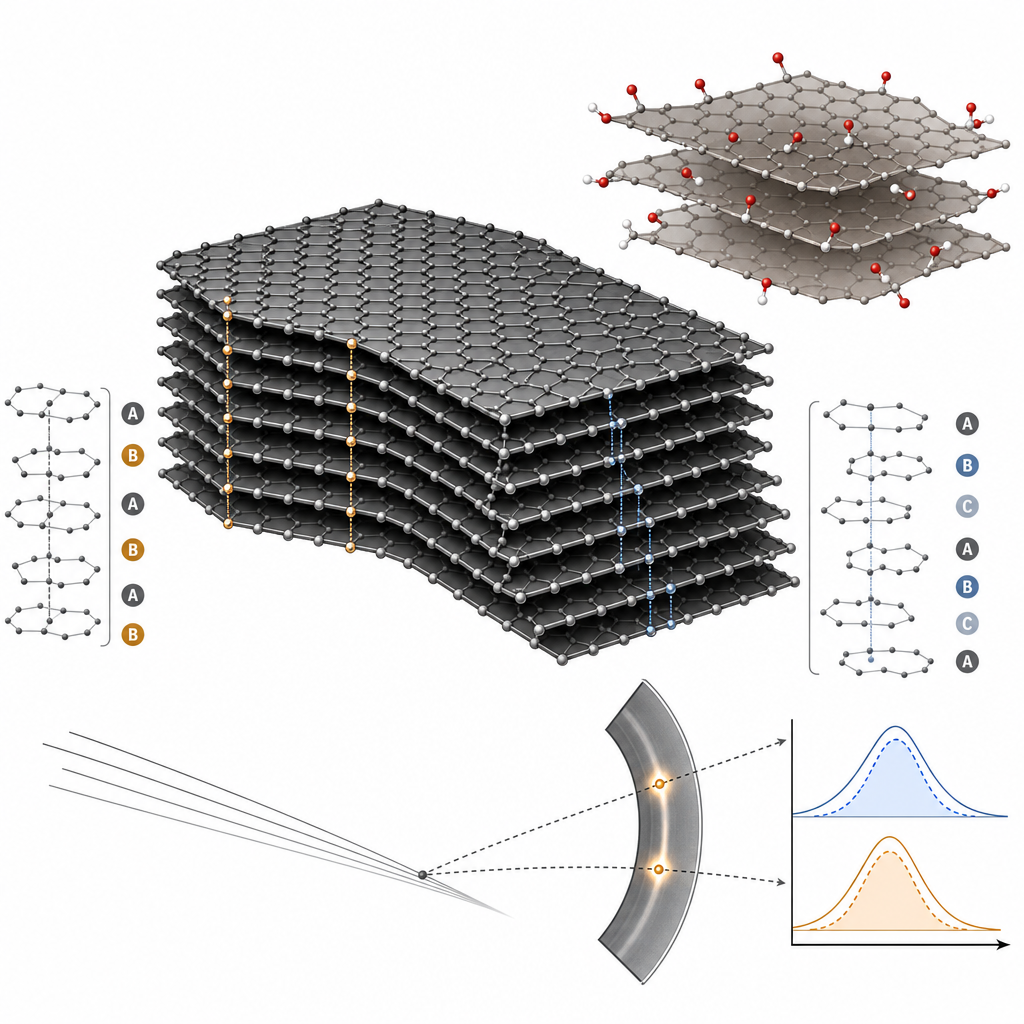
Seehra, M. S. et al. (2015). Detection and quantification of 2H and 3R phases in commercial graphene-based materials. *Carbon*. https://doi.org/10.1016/j.carbon.2015.08.109Carbon · 2015West Virginia University researchers used XRD to quantify 2H and 3R graphite phases in ACS Material graphene nanoplatelets, finding a 70/30 ratio and ~87 layers.
About this research
Researchers at West Virginia University, in collaboration with the National Institute for Occupational Safety and Health (NIOSH), used X-ray diffraction (XRD) to characterize graphene nanoplatelets (thickness 2–10 nm) and …
Niu, T., Cao, G., & Xiong, C. (2016). Fracture behavior of graphene mounted on stretchable substrate. *Carbon*. https://doi.org/10.1016/j.carbon.2016.08.087Carbon · 2016Researchers at Peking University used ACS Material CVD graphene on copper to probe graphene/PDMS fracture by AFM, measuring intrinsic strength of 112 GPa.
About this research
Researchers at Peking University investigated the fracture behavior of CVD graphene on copper foil supplied by ACS Material after transferring the monolayer onto a soft poly(dimethylsiloxane) (PDMS) substrate, reporting an intrinsic strength of …
Seehra, M. S. et al. (2017). Correlation between X-Ray diffraction and Raman spectra of 16 commercial graphene–based materials and their resulting classification. *Carbon*. https://doi.org/10.1016/j.carbon.2016.10.010Carbon · 2017Researchers correlated XRD and Raman spectra of 16 commercial graphene-based materials, including five from ACS Material, into three structural groups.
About this research
Researchers at West Virginia University and the National Institute for Occupational Safety and Health (NIOSH) used X-ray diffraction and Raman spectroscopy to characterize 16 commercial …
Ordinary bubbles rise and burst in seconds, wasting most of their gas to the air. Shrink a bubble below a micron and its physics changes completely: it barely rises, stays suspended for days or weeks, and packs an enormous gas–liquid surface area into a tiny volume. These are nano-bubbles, and they are quietly transforming how we dissolve gases for water treatment, aquaculture, agriculture, and chemical processing. This article walks through the science — with two interactive tools — and shows how ACS Material’s NanoFX™ generators put it to work.
Talyzin, A. V. et al. (2017). Brodie vs Hummers graphite oxides for preparation of multi-Layered materials. *Carbon*. https://doi.org/10.1016/j.carbon.2016.12.097Carbon · 2017Umeå University researchers compare Brodie and Hummers graphite oxides (including ACS Material HGO) for multilayered GO membranes, revealing superior mechanical strength of BGO.
About this research
Researchers at Umeå University, working with collaborators at Humboldt-Universität zu Berlin, Karlstad University, and Nokia Technologies, used commercial Hummers graphite oxide purchased from ACS Material as a key …
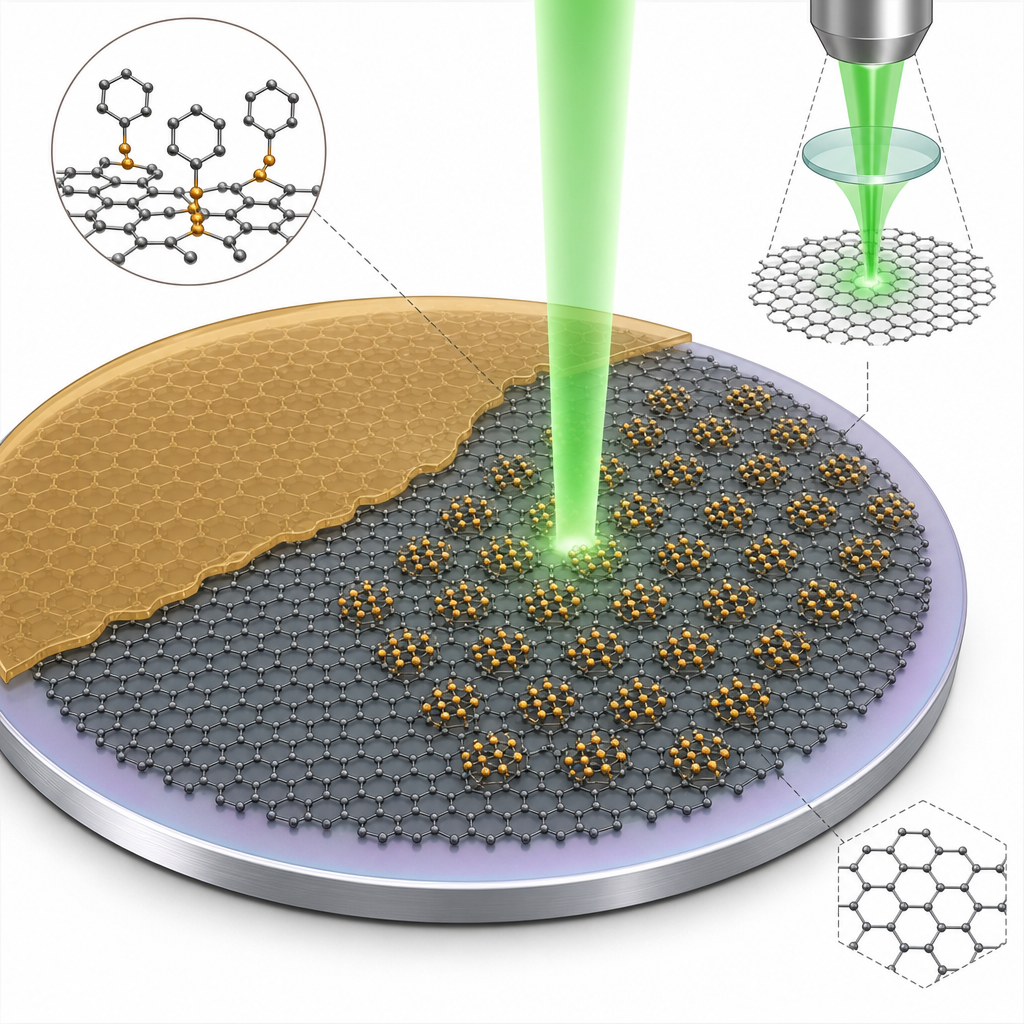
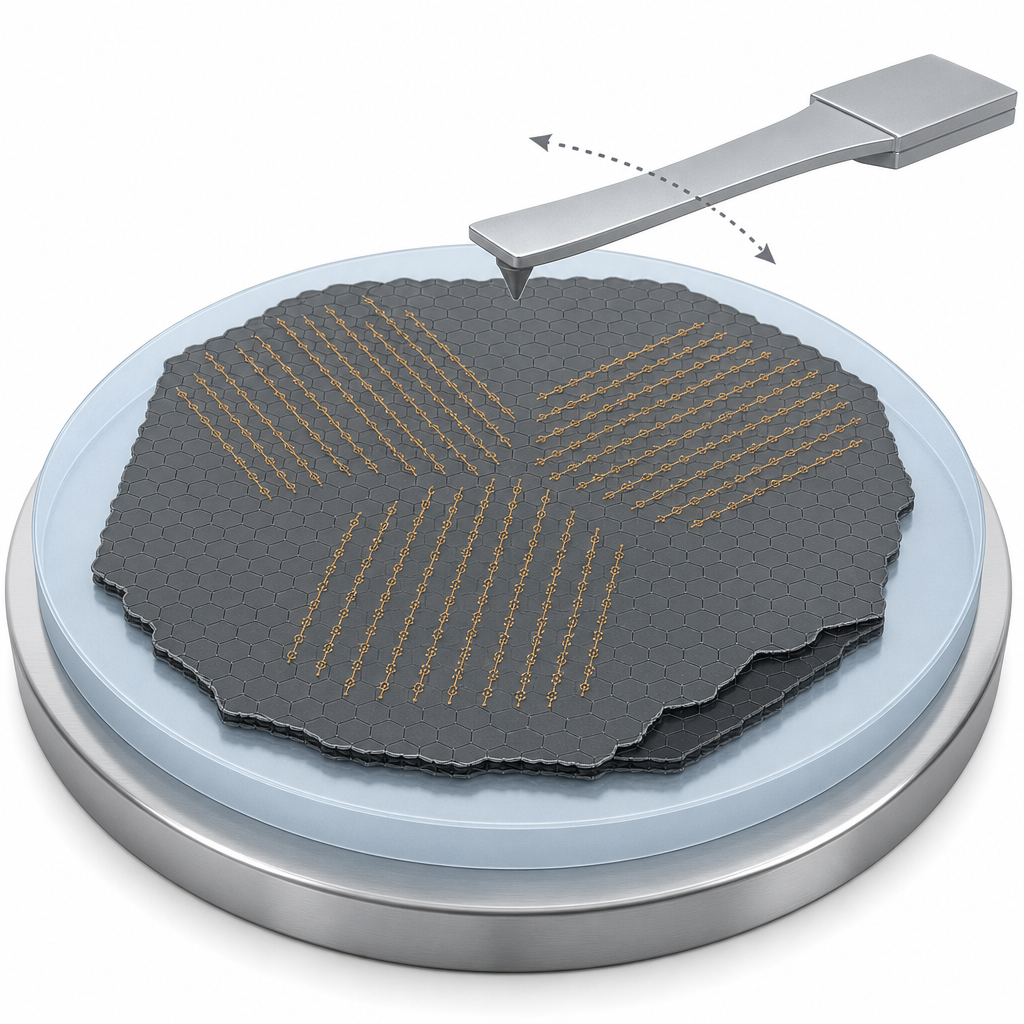
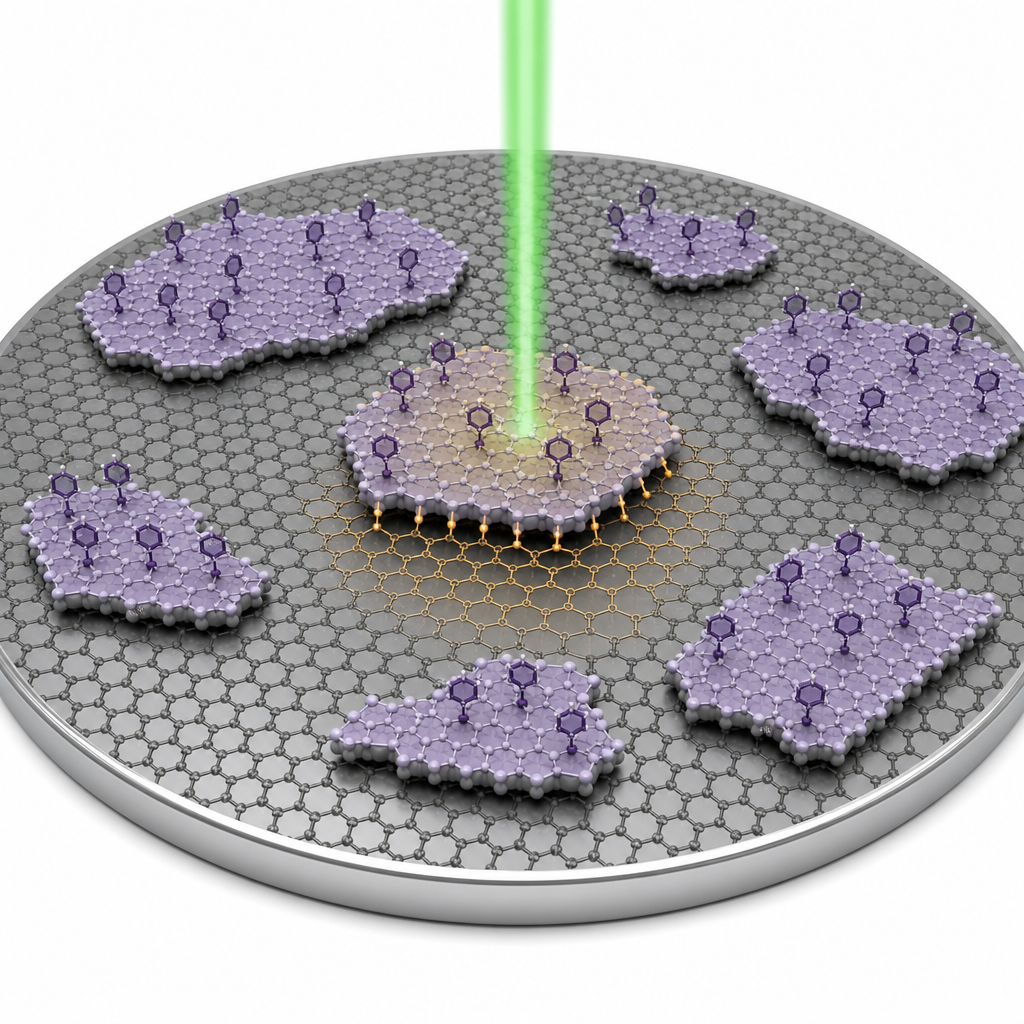
Nagel, T. et al. (2025). Towards precision controlled 2D functional group patterning of graphene via laser writing. *Carbon*. https://doi.org/10.1016/j.carbon.2025.120376Carbon · 2025FAU Erlangen-Nürnberg used ACS Material Trivial Transfer Graphene for laser-triggered covalent functional-group patterning, reaching 1.5 µm and 300 nm features.
About this research
Researchers at Friedrich-Alexander-Universität Erlangen-Nürnberg (FAU) used ACS Material Trivial Transfer Graphene (CVD monolayer graphene supplied with a PMMA coating) to demonstrate a high-precision, laser-triggered …
Hang, P. et al. (2021). Technoeconomically competitive four-terminal perovskite/graphene-silicon tandem solar cells with over 20% efficiency. *Journal of Energy Chemistry*. https://doi.org/10.1016/j.jechem.2021.07.031Journal of Energy Chemistry · 2021Zhejiang University used ACS Material single-layer graphene to build a low-temperature graphene-silicon Schottky cell, enabling a 4-T perovskite tandem over 20% efficiency.
About this research
Researchers at Zhejiang University used commercial single-layer graphene purchased from ACS Material to build a low-temperature-processed …
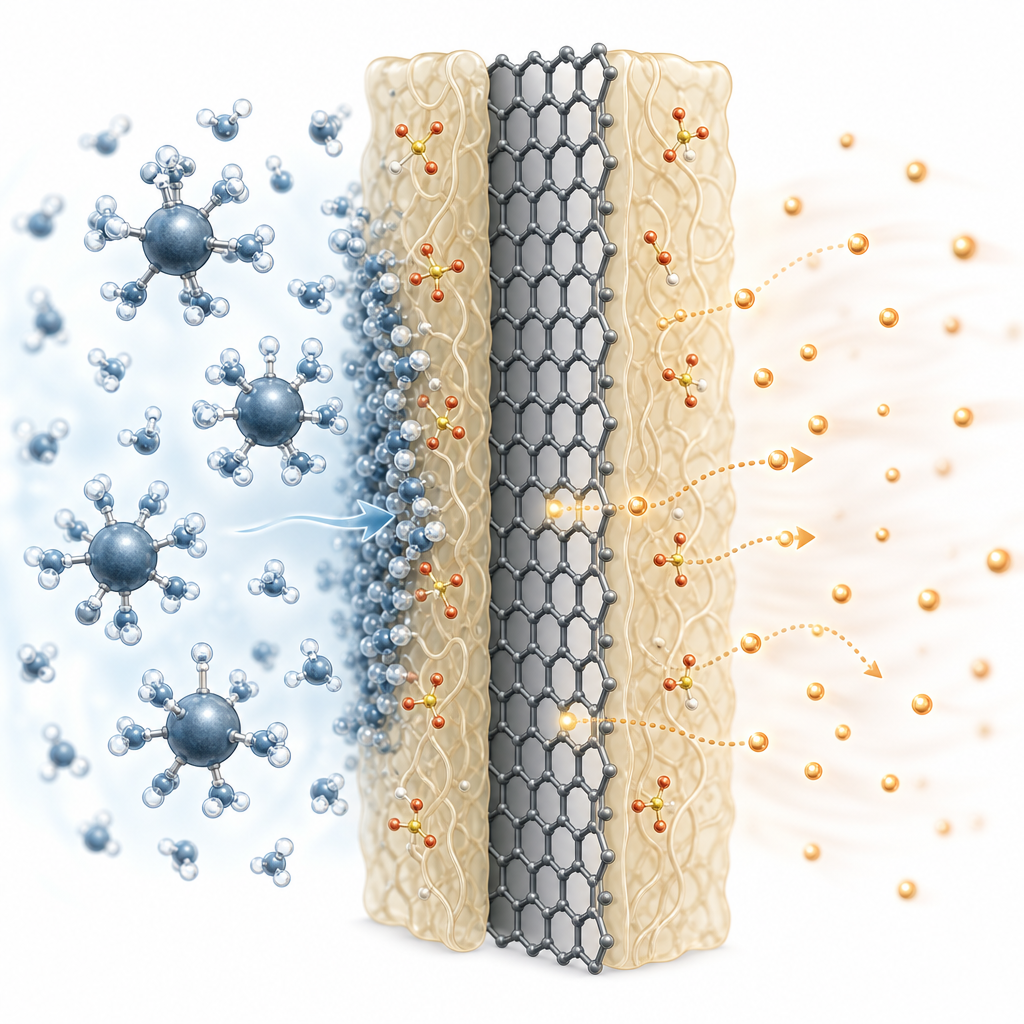
Bukola, S. et al. (2021). Single-layer graphene as a highly selective barrier for vanadium crossover with high proton selectivity. *Journal of Energy Chemistry*. https://doi.org/10.1016/j.jechem.2020.11.025Journal of Energy Chemistry · 2021NREL used ACS Material CVD graphene on copper to block vanadium crossover in redox flow battery membranes, giving proton selectivity 10,000x over vanadium.
About this research
Researchers at the National Renewable Energy Laboratory (NREL) demonstrated that ACS Material single-layer CVD graphene on copper foil, immobilized between two Nafion …
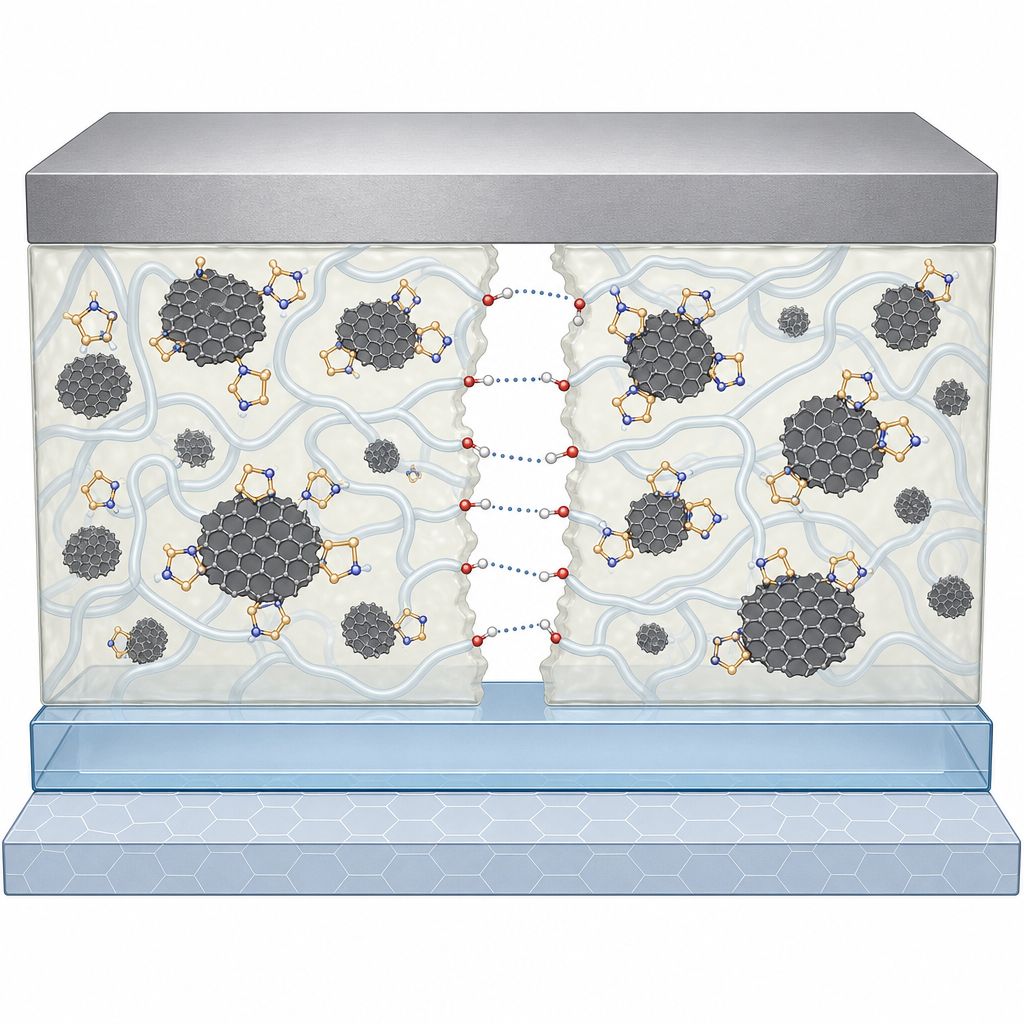
An, H. et al. (2021). Highly Self‐Healable Write‐Once‐Read‐Many‐Times Devices Based on Polyvinylalcohol‐Imidazole Modified Graphene Nanocomposites. *Small*. https://doi.org/10.1002/smll.202102772Department of Electronic Engineering Hanyang University Seoul 04763 Republic of Korea · Small · 2021Hanyang University used ACS Material imidazole-modified graphene quantum dots in PVA to build self-healing WORM memory devices stable over 600 cycles and ten-year retention.
About this research
Researchers at Hanyang University demonstrated a self-healable write-once-read-many-times …
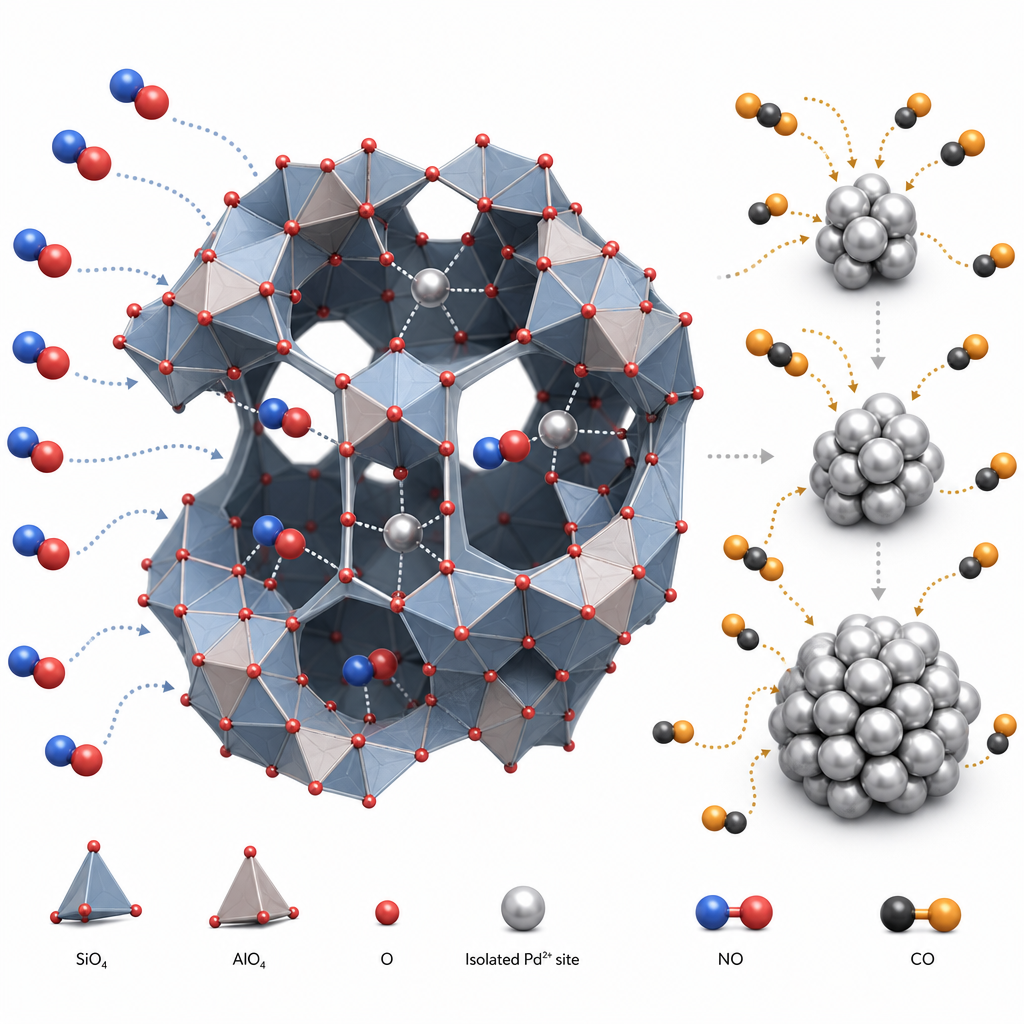
Kunal, P. et al. (2021). Deactivation trends of Pd/SSZ-13 under the simultaneous presence of NO, CO, hydrocarbons and water for passive NOx adsorption. *Applied Catalysis B: Environmental*. https://doi.org/10.1016/j.apcatb.2021.120591Applied Catalysis B: Environmental · 2021ORNL used ACS Materials NH4-SSZ-13 chabazite to build Pd/SSZ-13 passive NOx adsorbers and mapped deactivation under NO, CO, hydrocarbons and water.
About this research
Researchers at Oak Ridge National Laboratory used NH4-SSZ-13 chabazite zeolite (Si:Al = 12) procured from ACS Materials LLC to synthesize Pd/SSZ-13 …
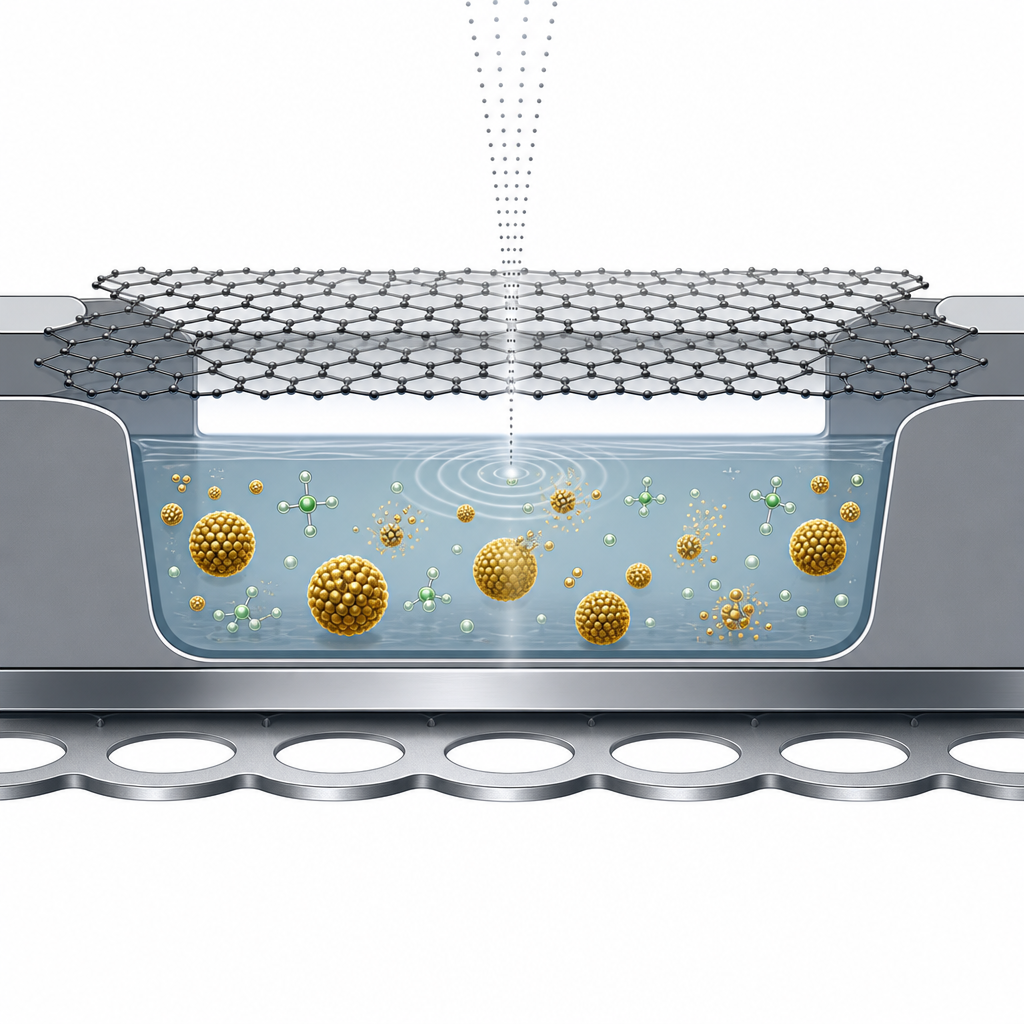
Fritsch, B. et al. (2022). Radiolysis‐Driven Evolution of Gold Nanostructures–Model Verification by Scale Bridging In Situ Liquid‐Phase Transmission Electron Microscopy and X‐Ray …. *Advanced Science*. https://doi.org/10.1002/advs.202202803Electron Devices (LEB) Department of Electrical, Electronic and Communication Engineering Friedrich‐Alexander‐Universität Erlangen‐Nürnberg Cauerstraße 6 91058 Erlangen Germany · Advanced Science · 2022FAU Erlangen-Nuremberg used ACS Material Trivial Transfer graphene to build liquid cells for in situ LP-TEM and XRD study of …
Ma, C. et al. (2024). Shear anisotropy domains on graphene revealed by in-plane elastic imaging. *ACS Nano*. https://doi.org/10.1021/acsnano.4c04368University of Science and Technology of China · ACS Nano · 2024USTC researchers used an ACS Material SiO2/Si substrate to image shear anisotropy domains on exfoliated graphene by torsional resonance AFM in 2024.
About this research
Researchers at the University of Science and Technology of China used an ACS Material LLC SiO2/Si substrate (90 nm thermal oxide) to support mechanically exfoliated graphene and graphite flakes and, by employing …
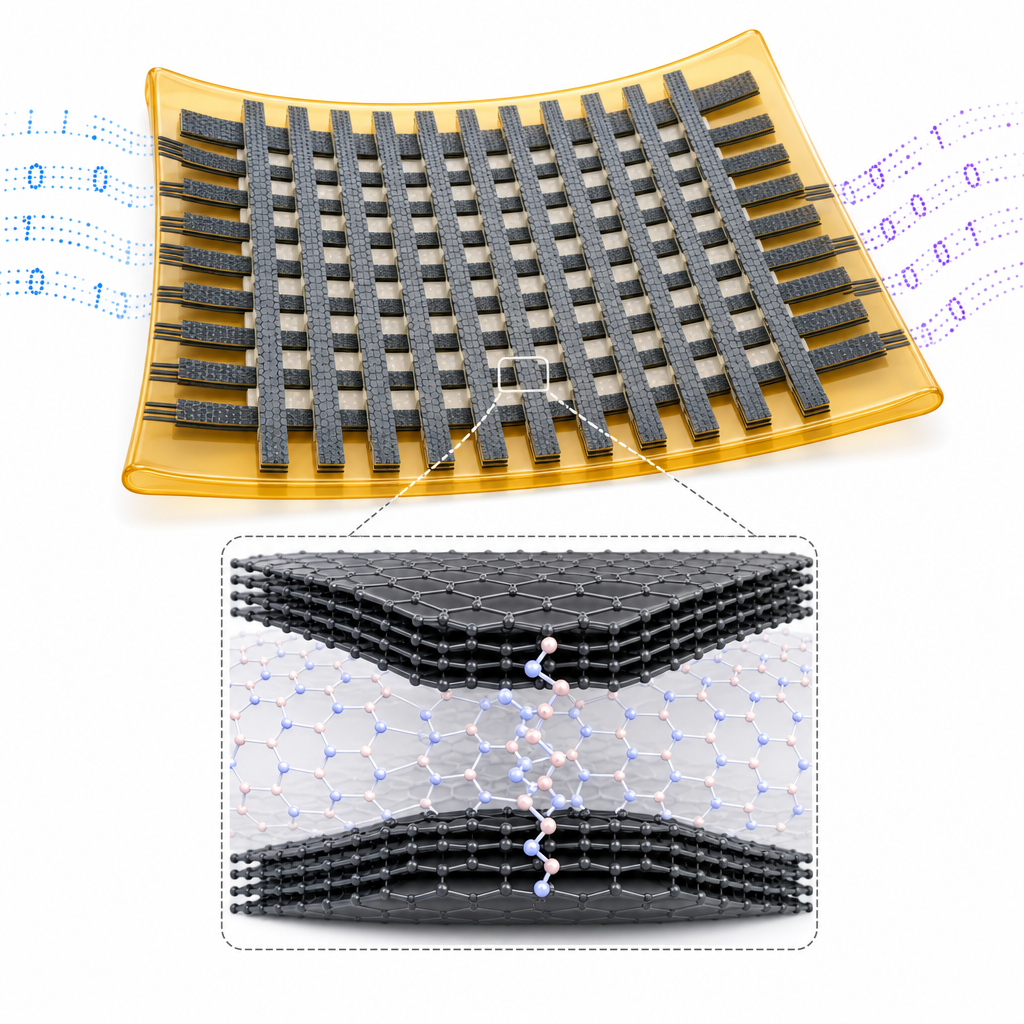
Han, T. et al. (2024). Fully 2D Materials‐Based Resistive Switching Circuits for Advanced Data Encryption. *Advanced Functional Materials*. https://doi.org/10.1002/adfm.202403029Institute of Functional Nano & Soft Materials (FUNSOM) Collaborative Innovation Center of Suzhou Nano Science & Technology Soochow University 199 Ren‐Ai Road Suzhou 215123 China · Advanced Functional Materials · 2024KAUST and Soochow University built flexible, transparent G/h-BN/G resistive switching circuits using CVD graphene electrodes from ACS Material for true random number generation.
Chen, X. et al. (2025). Patterned Assembly of Transition Metal Dichalcogenide/Graphene Heterostructures via Direct Laser Writing. *Advanced Functional Materials*. https://doi.org/10.1002/adfm.202425776Institute of Chemistry and Biochemistry Freie Universität Berlin Altensteinstraße 23a 14195 Berlin Germany · Advanced Functional Materials · 2025Researchers at Freie Universität Berlin used ACS Material Trivial Transfer graphene to build laser-written TMD/graphene heterostructures via direct laser writing.
About this research
Researchers at Freie Universität Berlin, working with …
Marco, M. D. et al. (2017). Hybrid effects in graphene oxide/Carbon nanotube-Supported layered double hydroxides: enhancing the CO2 sorption properties. *Carbon*. https://doi.org/10.1016/j.carbon.2017.07.094Carbon · 2017Imperial College London researchers used ACS Material single-layer graphene oxide dispersion to build GO/MWCNT-supported LDH adsorbents retaining 96% CO2 capacity over 20 cycles.
About this research
Researchers at Imperial College London, working with collaborators at King Abdulaziz University, used single-layer graphene oxide (GO) aqueous dispersion supplied by ACS …
Illakkiya, J. T., Rajalakshmi, P. U., & Oommen, R. (2017). Nanoarchitectured Semiconducting Photoelectrodes for Enhanced Stability and Photon Conversion Efficiency. *Carbon*. https://doi.org/10.1016/j.carbon.2016.09.042Carbon · 2017Researchers benchmarked graphene films against ACS Material's Single Layer Graphene to passivate CuInS2 photoelectrodes, boosting cell stability 95% and efficiency 71%.
About this research
Researchers at the Avinashilingam Institute for Home Science and Higher Education for Women in Coimbatore, India, used the technical specifications of ACS Material's …
Palmieri, A. et al. (2018). Explaining the role and mechanism of carbon matrices in enhancing reaction reversibility of metal oxide anodes for high performance Li ion batteries. *Carbon*.Carbon · 2018Palmieri et al. use ACS Material graphene oxide to build NiO/rGO Li-ion battery anodes and quantify how electronic conductivity controls cycling reversibility.
About this research
Researchers led by William E. Mustain at the University of Connecticut used Graphene Oxide (SKU#GNOS0010) purchased from ACS Material to construct NiO/reduced-graphene-oxide (NiO/rGO) composite anodes and, for …
Vu, M. et al. (2020). Ultrathin thermally conductive yet electrically insulating exfoliated graphene fluoride film for high performance heat dissipation. *Carbon*.Carbon · 2020Korea National University of Transportation researchers exfoliated ACS Material graphite fluoride into ultrathin EGF films with 242 W/m·K in-plane thermal conductivity.
About this research
Researchers at Korea National University of Transportation used Graphite Fluoride supplied by ACS Material (CAS GTFF012, lateral size 200–500 μm) as the precursor to fabricate ultrathin exfoliated graphene fluoride (EGF) …
Chernova, E. et al. (2021). The role of oxidation level in mass-transport properties and dehumidification performance of graphene oxide membranes. *Carbon*. https://doi.org/10.1016/j.carbon.2021.07.011Carbon · 2021Researchers at Lomonosov Moscow State University benchmark GO membranes against ACS Material graphene oxide, achieving water vapor permeance over 60 m³(STP)·m⁻²·bar⁻¹·h⁻¹.
About this research
Researchers at Lomonosov Moscow State University investigated how the oxidation degree of graphene oxide (GO) governs mass-transport in ultra-thin GO membranes for air …
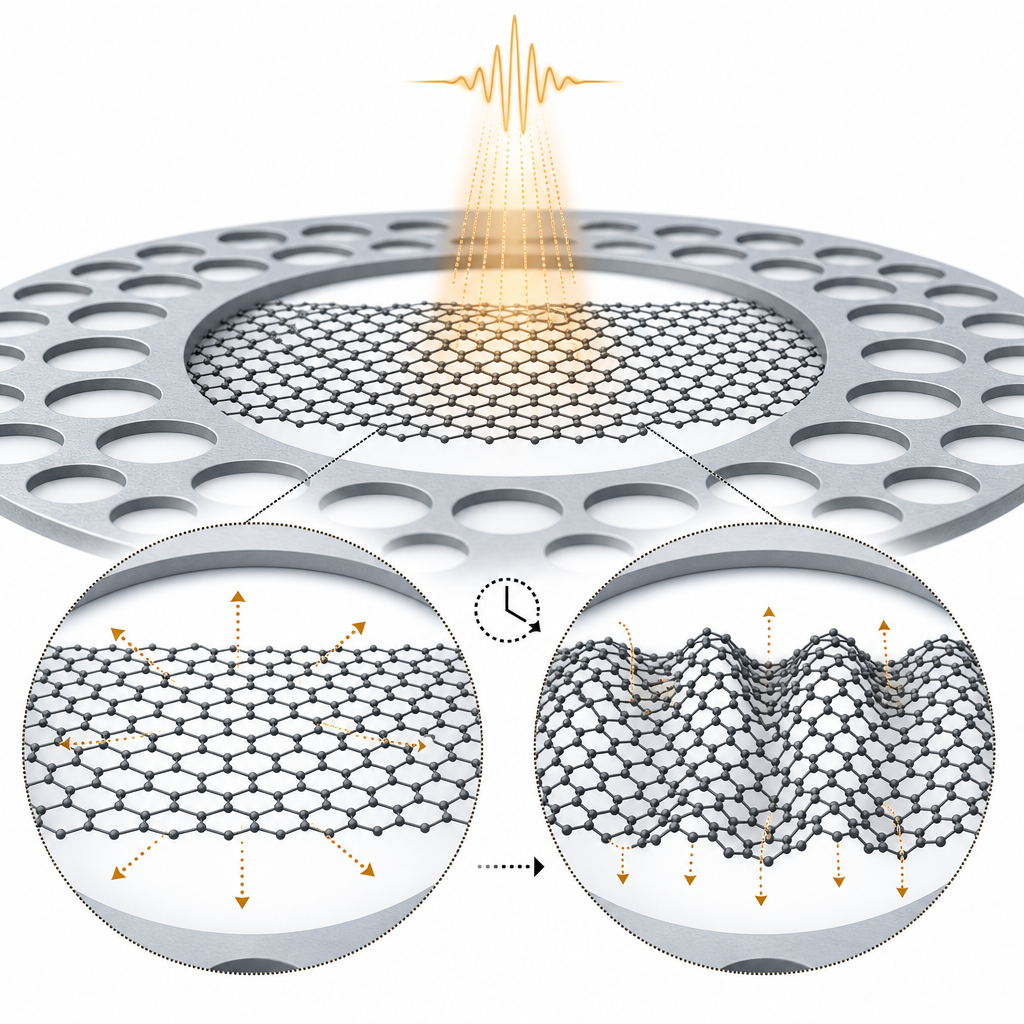
Hu, J. et al. (2016). Rippling ultrafast dynamics of suspended 2D monolayers, graphene. *Proceedings of the National Academy of Sciences*. https://doi.org/10.1073/pnas.1613818113California Institute of Technology · Proceedings of the National Academy of Sciences · 2016Caltech researchers used ACS Material's Trivial Transfer Graphene to reveal ultrafast rippling dynamics of suspended monolayer graphene with UEC and first-principles simulations.
About this research
Researchers at the California Institute of Technology used Trivial Transfer Graphene supplied by ACS Material LLC to …
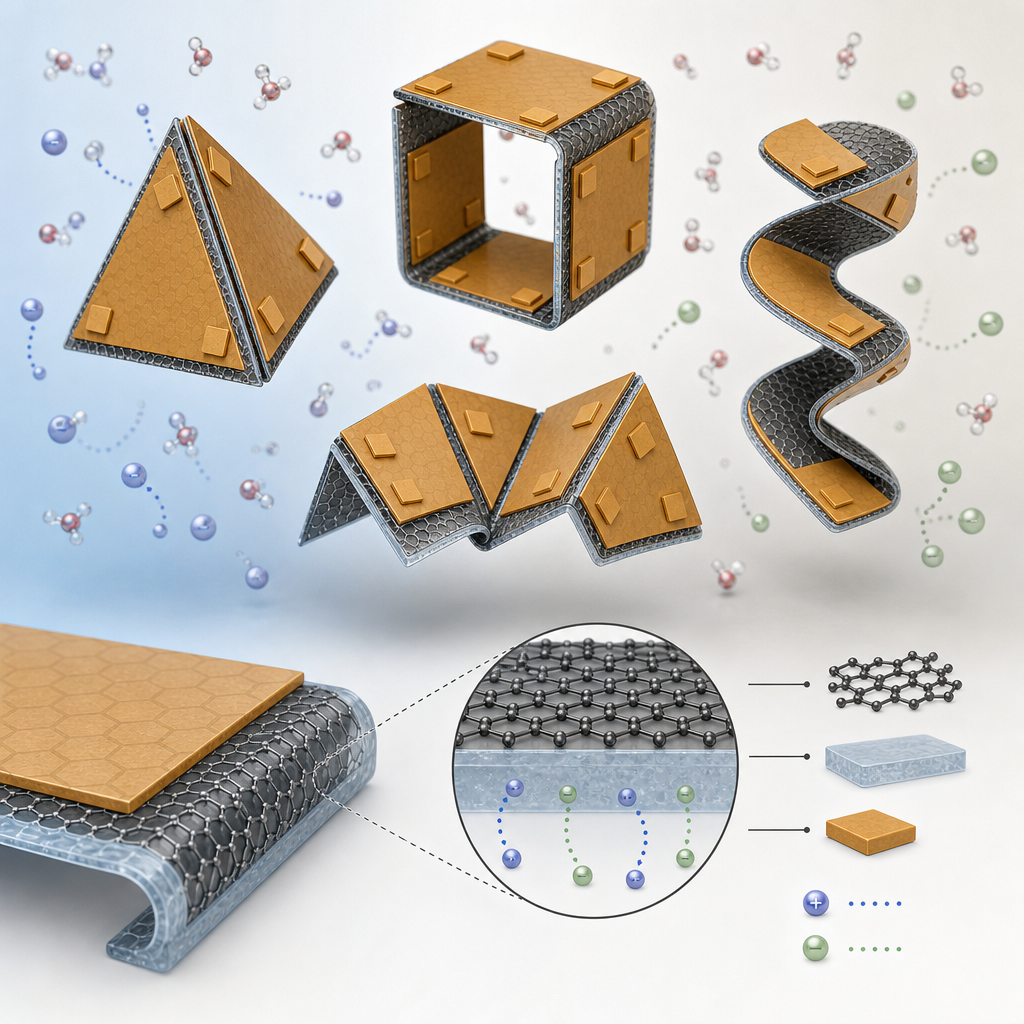
Miskin, M. Z. et al. (2018). Graphene-Based bimorphs for micron-Sized, autonomous origami machines. *Proceedings of the National Academy of Sciences*. https://doi.org/10.1073/pnas.1712889115Cornell University · Proceedings of the National Academy of Sciences · 2018Cornell researchers built micron-sized self-folding origami machines using CVD graphene from ACS Material bonded to a 2-nm SiO2 layer as bimorph actuators.
About this research
Researchers at Cornell University used CVD graphene grown on copper foil from ACS Material to demonstrate the world's smallest origami machines, …
Sun, Y. et al. (2015). Transport, retention, and size perturbation of graphene oxide in saturated porous media: Effects of input concentration and grain size. *Water Research*. https://doi.org/10.1016/j.watres.2014.09.025Water Research · 2015Researchers at Nanjing University used ACS Material single-layer graphene oxide to study transport, retention, and aggregation in saturated sand columns.
About this research
Researchers at Nanjing University, in collaboration with the University of Florida and the USDA-ARS U.S. Salinity Laboratory, used single-layer graphene oxide supplied by ACS …
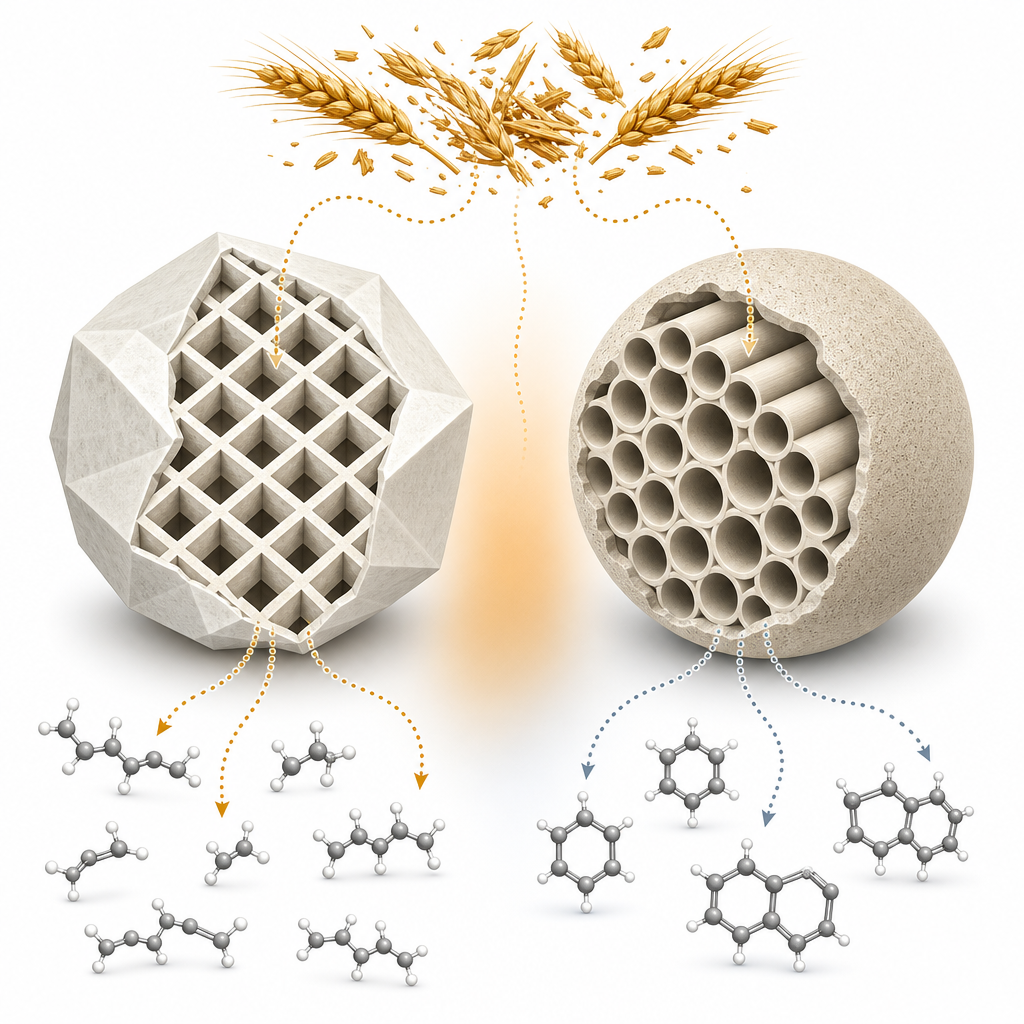
Lazdovica, K., Liepina, L., & Kampars, V. (2016). Catalytic pyrolysis of wheat bran for hydrocarbons production in the presence of zeolites and noble-Metals by using TGA-FTIR method. *Bioresource Technology*. https://doi.org/10.1016/j.biortech.2016.01.117Bioresource Technology · 2016Riga Technical University used ACS Material ZSM-5 and MCM-41 zeolites to catalytically pyrolyze wheat bran, boosting aliphatic and olefin hydrocarbon yields.
About this research
Researchers at Riga Technical University (Institute of Applied Chemistry, Latvia) used ZSM-5 zeolite and MCM-41 mesoporous …
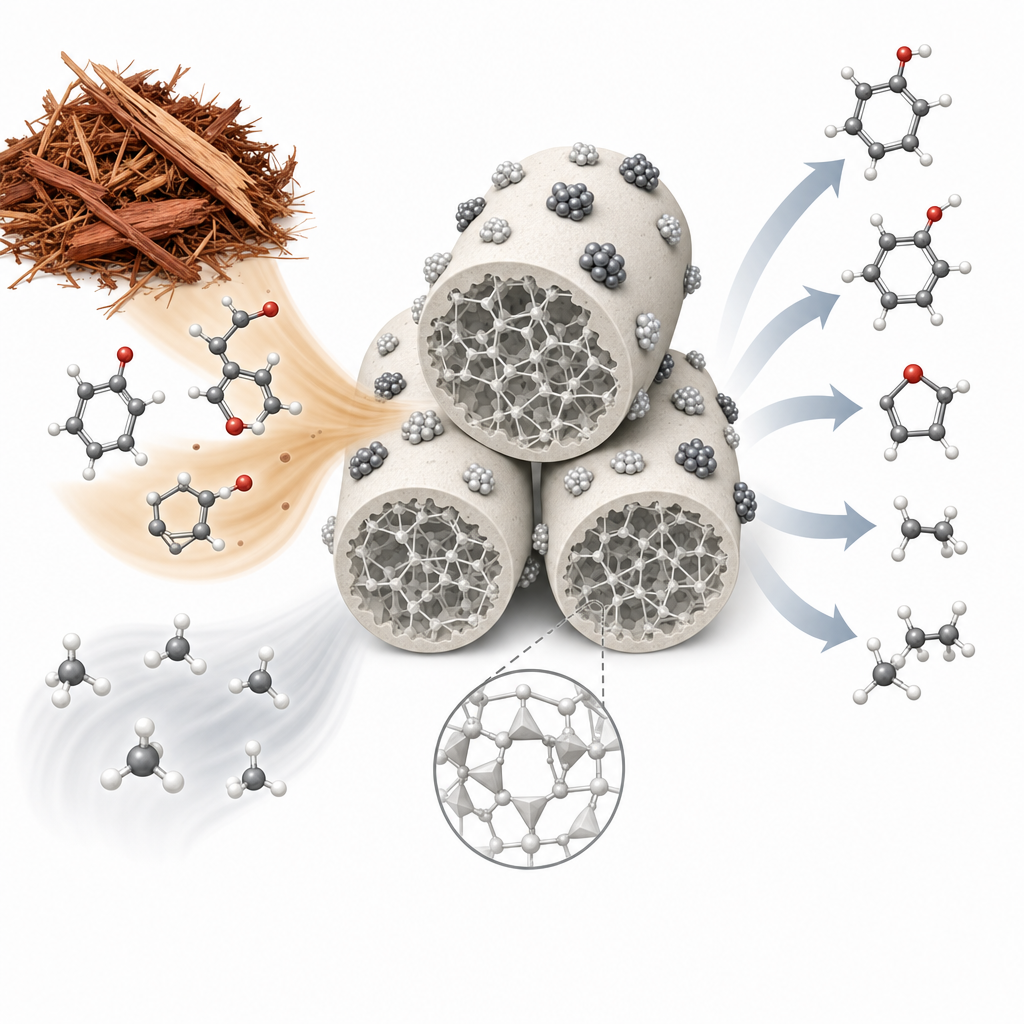
Tshikesho, R. S. et al. (2019). Catalytic Co-Pyrolysis of Red Cedar with Methane to Produce Upgraded Bio-oil. *Bioresource Technology*. https://doi.org/10.1016/j.biortech.2019.03.138Bioresource Technology · 2019Oklahoma State researchers use ACS Material pellet ZSM-5 zeolite for catalytic co-pyrolysis of red cedar with methane, yielding 53.4% upgraded bio-oil.
About this research
Researchers at Oklahoma State University used pellet HZSM-5 zeolite purchased from ACS Material LLC as the deoxygenation and aromatization catalyst for the catalytic co-pyrolysis of eastern red cedar biomass …
Schweizer, P., Dolle, C., & Spiecker, E. (2018). In situ manipulation and switching of dislocations in bilayer graphene. *Science Advances*. https://doi.org/10.1126/sciadv.aat4712Friedrich-Alexander University Erlangen-Nürnberg · Science Advances · 2018Researchers at Friedrich-Alexander University used ACS Material Trivial Transfer bilayer graphene to manipulate and switch dislocations in situ via SEM.
About this research
Researchers at Friedrich-Alexander University Erlangen-Nürnberg used CVD-grown bilayer Trivial Transfer® Graphene purchased from ACS Material to demonstrate, …
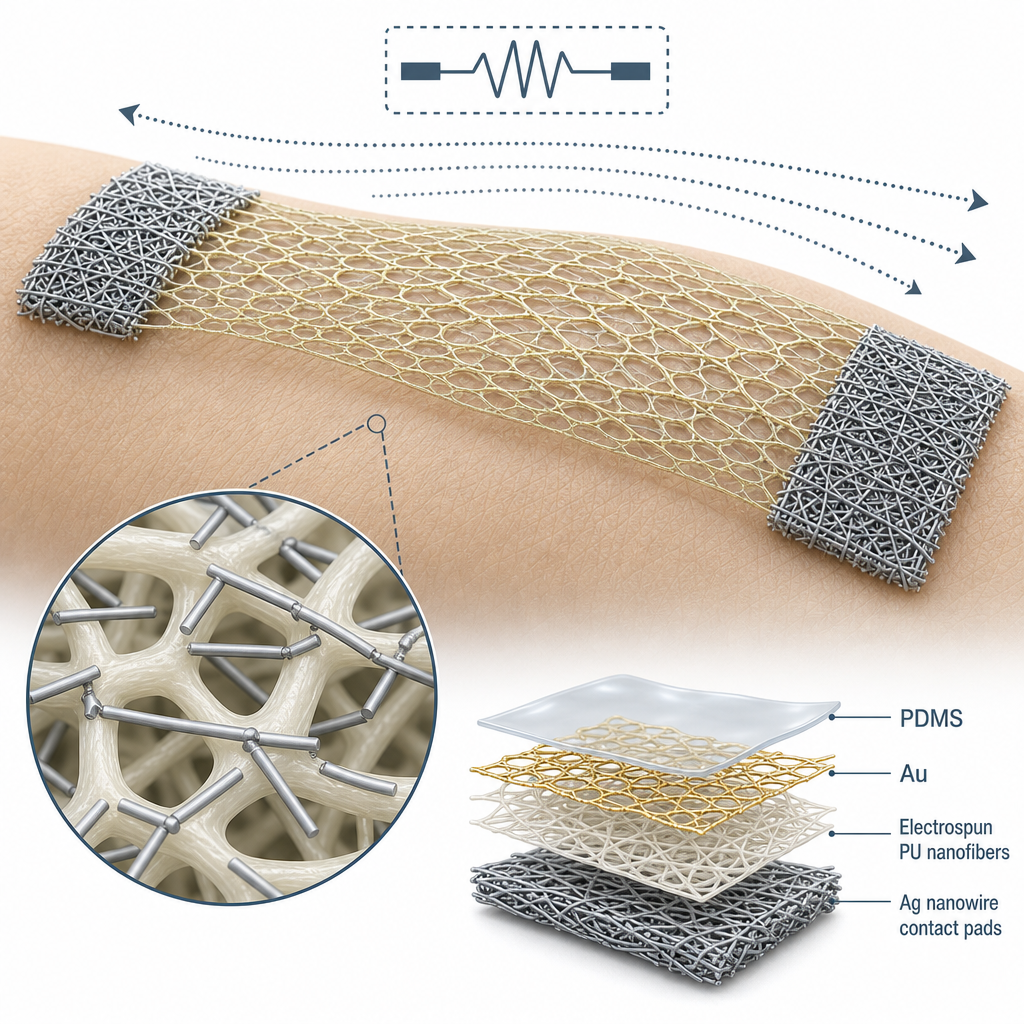
Wang, Y. et al. (2020). A durable nanomesh on-skin strain gauge for natural skin motion monitoring with minimum mechanical constraints. *Science Advances*. https://doi.org/10.1126/sciadv.abb7043The University of Tokyo · Science Advances · 2020Researchers at The University of Tokyo used ACS Material silver nanowires to build contact pads for an ultrathin nanomesh on-skin strain gauge.
About this research
Researchers at The University of Tokyo, led by Prof. Takao Someya, developed an ultrathin and durable nanomesh on-skin strain gauge that uses silver nanowires (30 nm diameter, 100-200 …
Shoinkhorova, T. et al. (2021). Highly selective and stable production of aromatics via high-pressure methanol conversion. *ACS Catalysis*. https://doi.org/10.1021/acscatal.0c05133King Abdullah University of Science and Technology · ACS Catalysis · 2021KAUST researchers used H-ZSM-5 zeolites (SiO2/Al2O3 = 52, 371) from ACS Material to achieve ~50% aromatics selectivity at 30 bar in methanol conversion.
About this research
Researchers at King Abdullah University of Science and Technology (KAUST), in collaboration with the University of the Basque Country, demonstrated that …
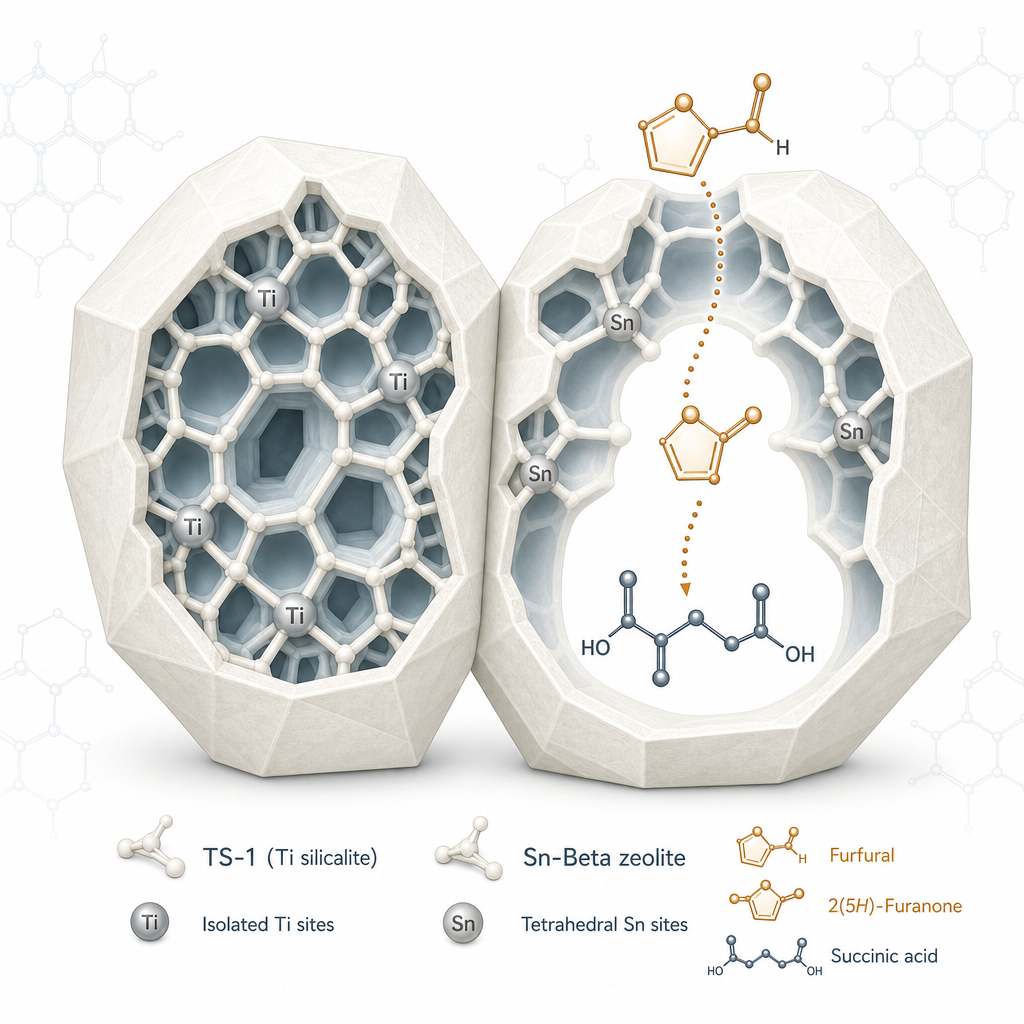
Palai, Y., Shrotri, A., & Fukuoka, A. (2022). Selective oxidation of furfural to succinic acid over Lewis acidic Sn-Beta. *ACS catalysis*. https://doi.org/10.1021/acscatal.1c05348ACS catalysis · 2022Hokkaido University researchers use ACS Material TS-1 as a benchmark to demonstrate Sn-Beta zeolite selectively oxidizes furfural to bio-succinic acid.
About this research
Researchers at Hokkaido University, led by Atsushi Fukuoka and Abhijit Shrotri with first author Yayati Naresh Palai, used Titanium Silicalite-1 (TS-1) supplied by ACS Material as a benchmark catalyst in a study …
Gatti, T. et al. (2018). Interfacial morphology addresses performance of perovskite solar cells based on composite hole transporting materials of functionalized reduced graphene oxide and …. *Solar RRL*. https://doi.org/10.1002/solr.201800013Department of Chemical Sciences, University of Padova via Marzolo 1 35131 Padova Italy · Solar RRL · 2018University of Padova researchers used ACS Material reduced graphene oxide to build functionalized RGO/P3HT hole-transport layers for highly reproducible perovskite solar cells.
Xiong, Y. et al. (2020). Novel Bimodal Silver Nanowire Network as Top Electrodes for Reproducible and High‐Efficiency Semitransparent Organic Photovoltaics. *Solar Rrl*. https://doi.org/10.1002/solr.202000328Solar Rrl · 2020NC State researchers used ACS Material long, thin silver nanowires to build bimodal AgNW top electrodes for semitransparent organic solar cells reaching 9.79% PCE.
About this research
North Carolina State University researchers developed a bimodal silver nanowire (AgNW) top electrode for semitransparent organic photovoltaics (ST-OPVs) using high-aspect-ratio …
Randeniya, L. K. et al. (2013). Harnessing the Influence of Reactive Edges and Defects of Graphene Substrates for Achieving Complete Cycle of Room-Temperature Molecular Sensing. *Small*. https://doi.org/10.1002/smll.201300689Small · 2013CSIRO researchers used ACS Material single-layer graphene to build chemiresistors that detect ppb-level NO2 and NH3 with rapid room-temperature recovery.
About this research
Researchers at CSIRO Materials Science and Engineering used dispersible single-layer graphene from ACS Material to build room-temperature chemiresistors that detect trace NO2 and …
Cui, S. et al. (2015). Stabilizing MoS2Nanosheets through SnO2Nanocrystal Decoration for High-Performance Gas Sensing in Air. *Small*. https://doi.org/10.1002/smll.201402923Department of Mechanical Engineering University of Wisconsin‐Milwaukee Milwaukee WI 53211 USA · Small · 2015University of Wisconsin-Milwaukee researchers used ACS Material graphene oxide to build rGO/SnO2 control sensors, validating MoS2/SnO2 nanohybrids for room-temperature NO2 detection.
About this research
Researchers at the Department of Mechanical Engineering, University of Wisconsin-Milwaukee, used graphene …
Chen, H., Gao, B., & Li, H. (2015). Removal of sulfamethoxazole and ciprofloxacin from aqueous solutions by graphene oxide. *Journal of Hazardous Materials*.Journal of Hazardous Materials · 2015Single-layer graphene oxide from ACS Material adsorbs up to 379 mg/g ciprofloxacin and 240 mg/g sulfamethoxazole from water under varied pH and ionic strength.
About this research
Researchers at the University of Florida, working with collaborators at Michigan State University, used single-layer graphene oxide (GO) supplied by ACS Material (Medford, MA) to remove two widely detected …
Wang, M. et al. (2017). Effects of temperature on graphene oxide deposition and transport in saturated porous media. *Journal of Hazardous Materials*. https://doi.org/10.1016/j.jhazmat.2017.02.014Journal of Hazardous Materials · 2017Hohai University researchers used ACS Material single-layer graphene oxide to quantify how temperature and ionic strength govern GO retention and transport in saturated sand.
About this research
Researchers at Hohai University, working with collaborators at the University of Florida, used single-layer graphene oxide (GO) nanosheets supplied by ACS Material …
Plasma — the fourth state of matter — is an ionized gas of free electrons, ions, and reactive species that conducts electricity and drives chemistry impossible in ordinary gases. From the microelectronics in every phone to ozone generators, surface coatings, pollution control, and a fast-growing frontier in medicine and green chemistry, laboratory plasmas have become one of the most versatile tools in modern materials science. This article explains what plasma is, how the key discharge types work, and how to match a plasma power supply to an application, with interactive …
Dong, S. et al. (2019). Visualization of graphene oxide transport in two-dimensional homogeneous and heterogeneous porous media. *Journal of Hazardous Materials*. https://doi.org/10.1016/j.jhazmat.2019.02.042Journal of Hazardous Materials · 2019Researchers at Nanjing University used ACS Material graphene oxide to visualize GO transport, retention and remobilization in 2-D homogeneous and heterogeneous porous media.
About this research
Researchers at Nanjing University, working together with collaborators from the University of Florida, used graphene oxide (GO) purchased from ACS …
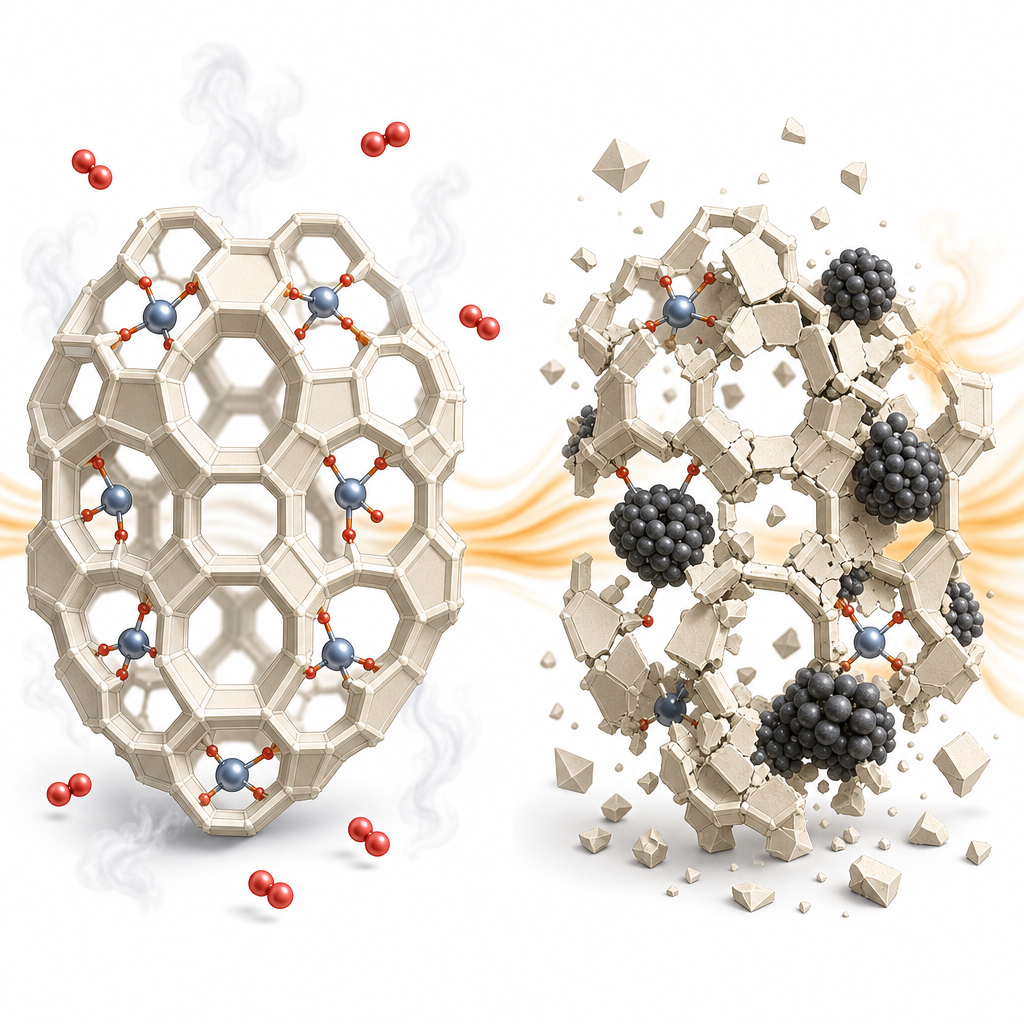
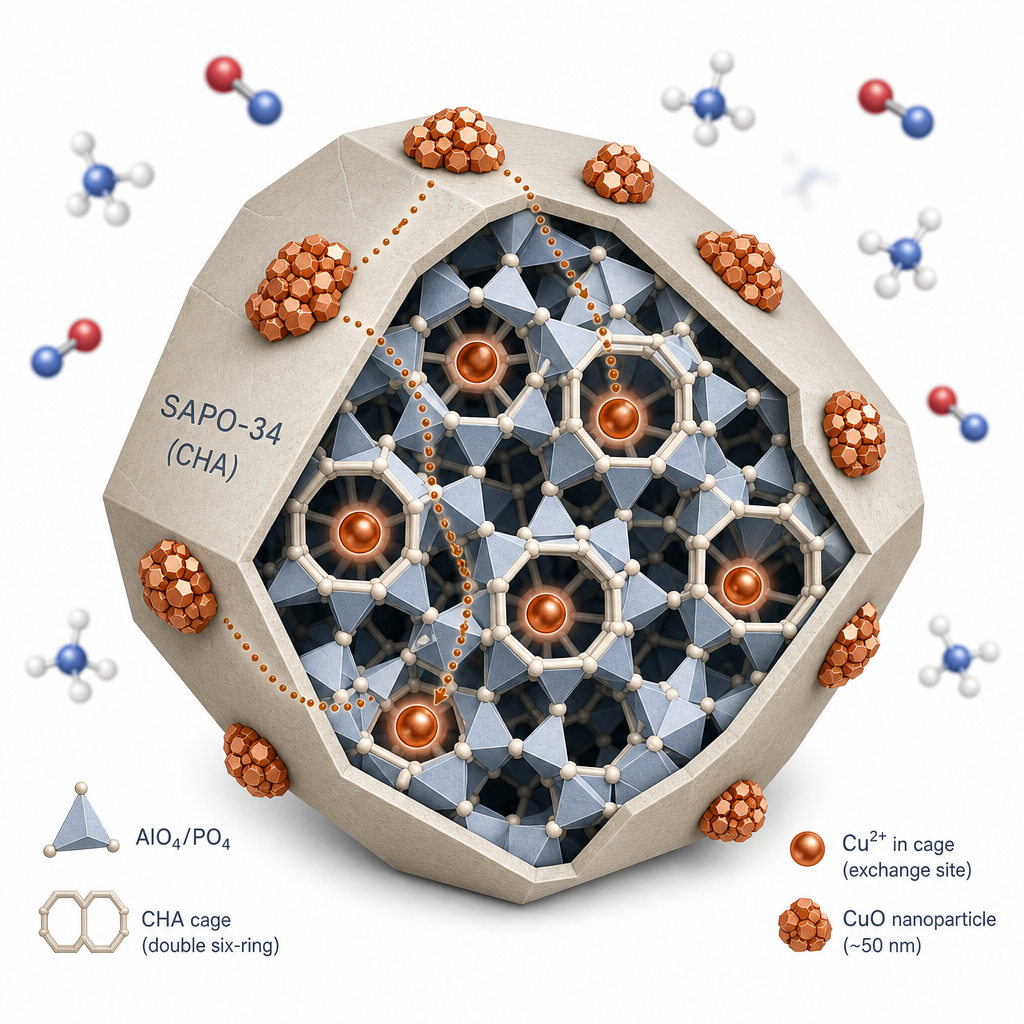
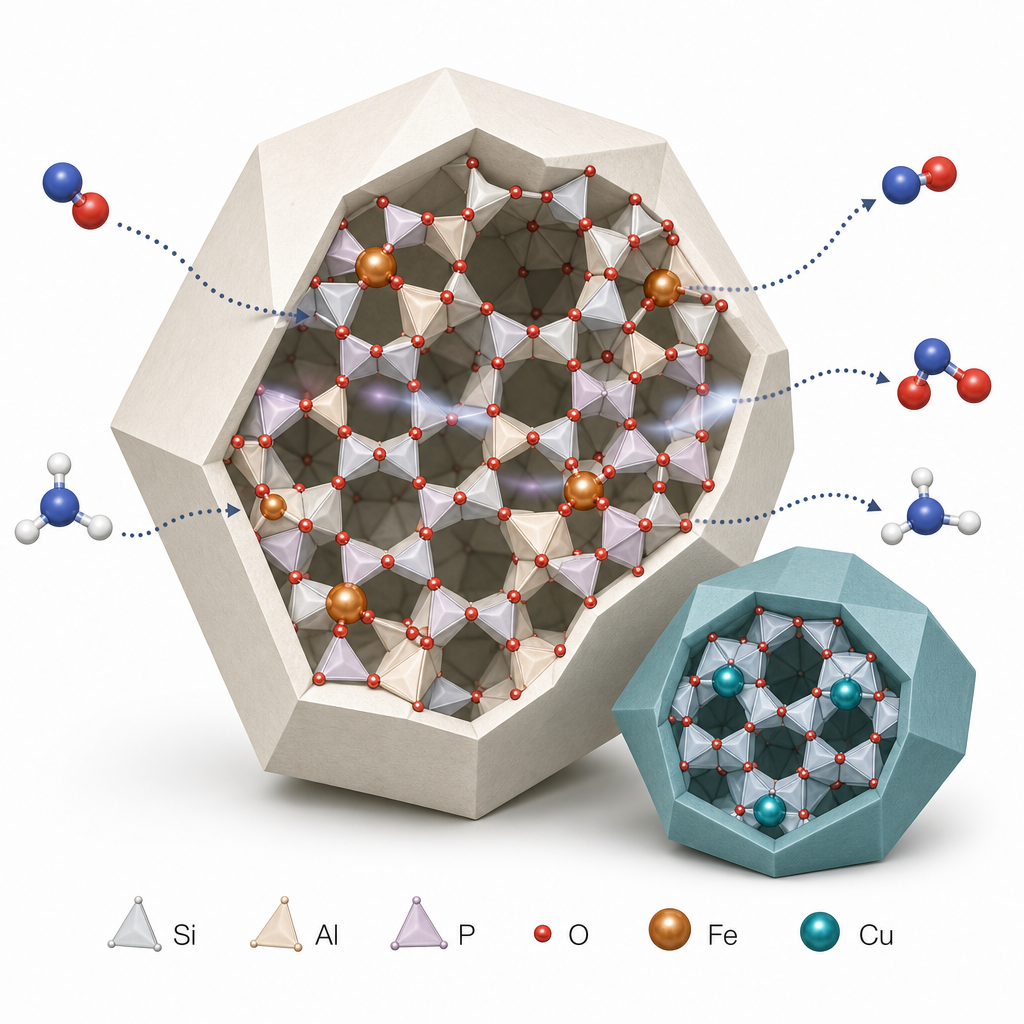
Wang, D. et al. (2015). A comparison of hydrothermal aging effects on NH3-SCR of NOx over Cu-SSZ-13 and Cu-SAPO-34 catalysts. *Applied Catalysis B: Environmental*. https://doi.org/10.1016/j.apcatb.2014.10.020Applied Catalysis B: Environmental · 2015Cu-SAPO-34 built from ACS Material SAPO-34 outperformed Cu-SSZ-13 in NH3-SCR of NOx after 800 °C hydrothermal aging, retaining CHA structure and activity.
About this research
Researchers at the University of Houston, working with collaborators at Cummins Inc. and PNNL, used H-form SAPO-34 zeolite purchased from ACS Material to prepare a …
Gao, F. et al. (2015). Synthesis and evaluation of Cu/SAPO-34 catalysts for NH 3 -SCR 2: Solid-State ion exchange and one-Pot synthesis. *Applied Catalysis B: Environmental*. https://doi.org/10.1016/j.apcatb.2014.07.029Applied Catalysis B: Environmental · 2015PNNL researchers used ACS Material SAPO-34 to synthesize Cu/SAPO-34 catalysts via solid-state ion exchange and one-pot routes for diesel NH3-SCR.
About this research
Researchers at Pacific Northwest National Laboratory (PNNL) used SAPO-34 chabazite zeolite purchased from ACS Material as a reference substrate to develop …
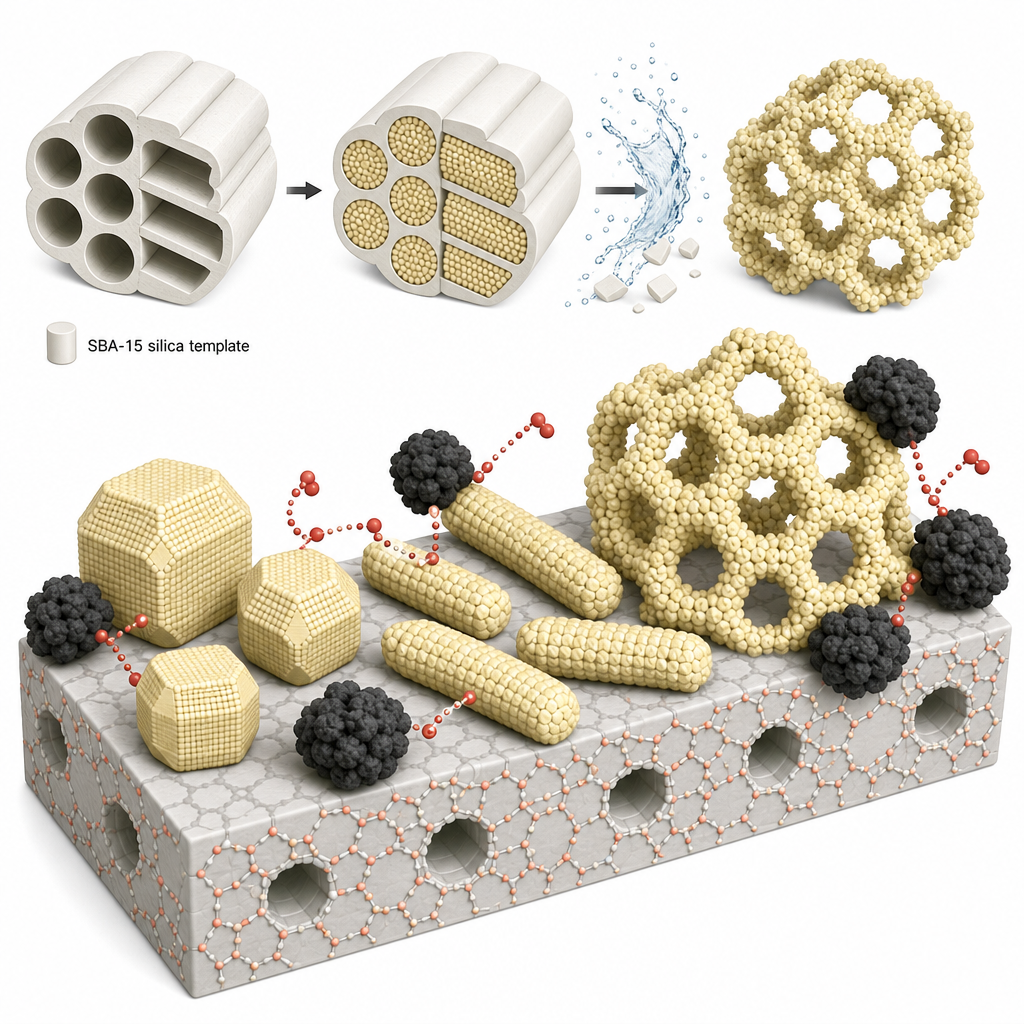
Piumetti, M. et al. (2015). Nanostructured ceria-Based catalysts for soot combustion: Investigations on the surface sensitivity. *Applied Catalysis B: Environmental*. https://doi.org/10.1016/j.apcatb.2014.10.062Applied Catalysis B: Environmental · 2015Politecnico di Torino used ACS Material SBA-15 as a hard template to cast mesoporous CeO2 catalysts for diesel soot oxidation, revealing surface-sensitive behavior.
About this research
Researchers at Politecnico di Torino used SBA-15 mesoporous silica supplied by ACS Material as the hard template for nanocasting a mesoporous CeO2 catalyst …
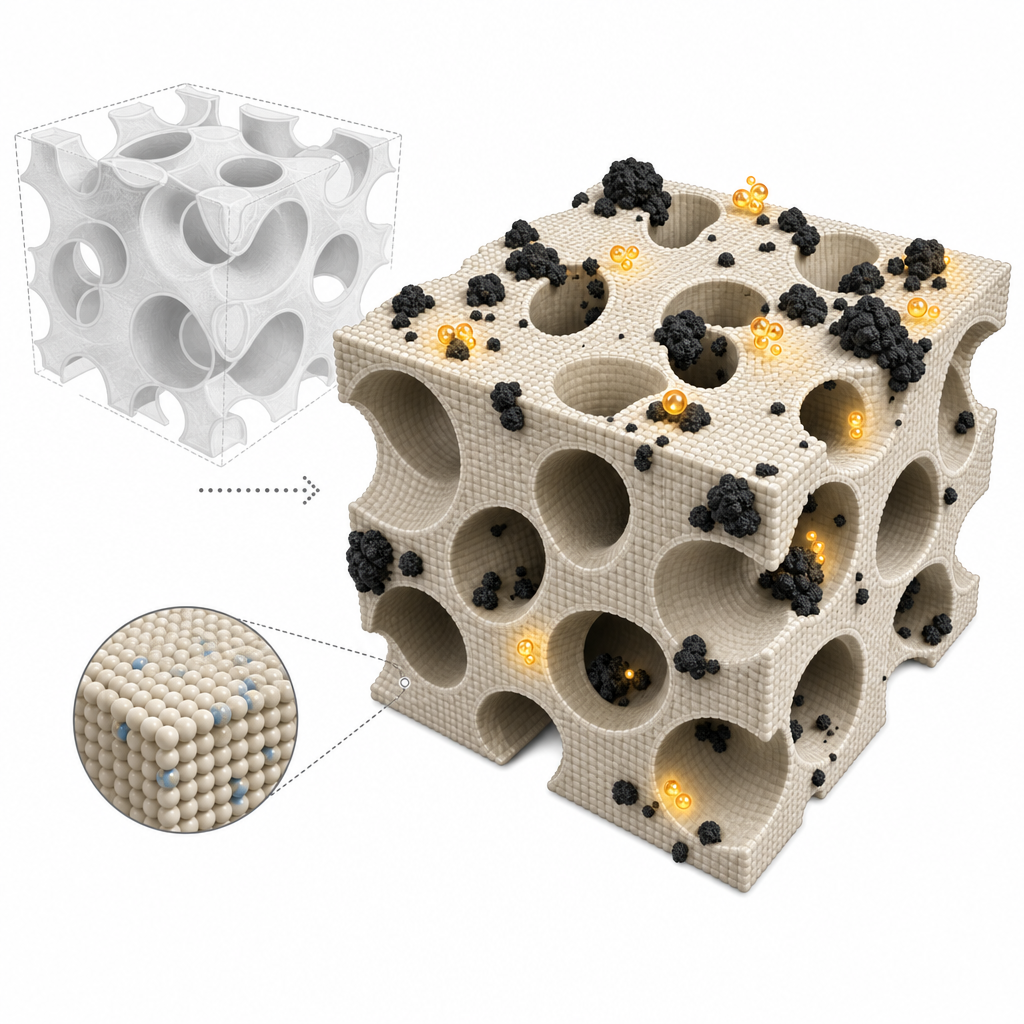
Piumetti, M. et al. (2016). Investigations into nanostructured ceria–zirconia catalysts for soot combustion. *Applied Catalysis B: Environmental*. https://doi.org/10.1016/j.apcatb.2015.06.018Applied Catalysis B: Environmental · 2016Politecnico di Torino used ACS Material KIT-6 mesoporous silica to template ordered Ce0.9Zr0.1O2 catalysts for Diesel soot combustion at T50% = 531 °C.
About this research
Researchers at Politecnico di Torino used ACS Material KIT-6 mesoporous silica as the hard template to nanocast an ordered mesoporous Ce0.9Zr0.1O2 catalyst (Ce0.9Zr0.1O2-M) that …
Andonova, S. et al. (2016). The effect of iron loading and hydrothermal aging on one-Pot synthesized Fe/SAPO-34 for ammonia SCR. *Applied Catalysis B: Environmental*. https://doi.org/10.1016/j.apcatb.2015.07.007Applied Catalysis B: Environmental · 2016Chalmers University researchers used commercial SAPO-34 from ACS Material as a CHA-structure reference to benchmark Fe/SAPO-34 NH3-SCR catalysts for diesel NOx control.
About this research
Researchers at Chalmers University, working in collaboration with Ford Motor Company, used commercial SAPO-34 supplied by ACS Material as a reference …
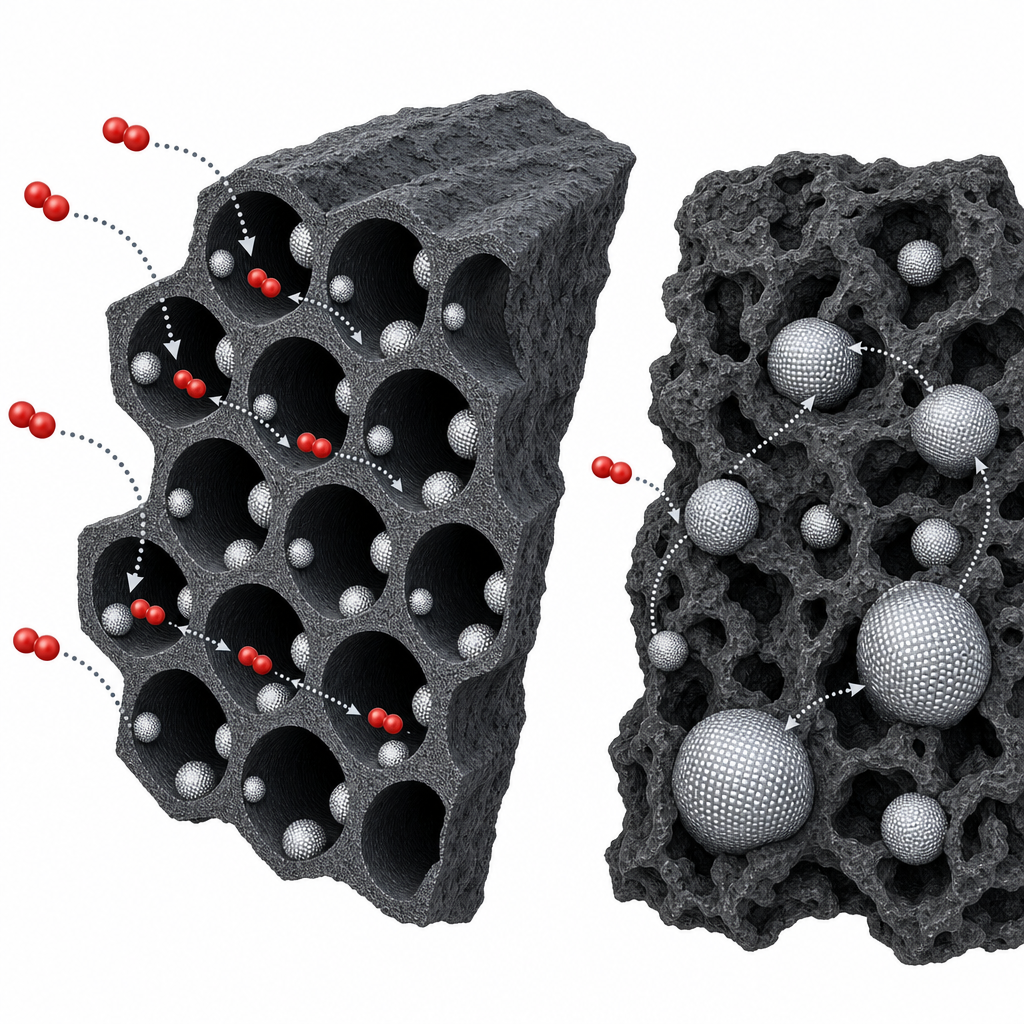
Sakthivel, M., & Drillet, J. (2018). An extensive study about influence of the carbon support morphology on Pt activity and stability for oxygen reduction reaction. *Applied Catalysis B: Environmental*. https://doi.org/10.1016/j.apcatb.2018.02.050Applied Catalysis B: Environmental · 2018DECHEMA researchers used ACS Material Ordered Mesoporous Carbon and GNP10 as Pt supports, showing ~30% ECSA retention after 10,000 ORR cycles.
About this research
Researchers at DECHEMA-Forschungsinstitut (Frankfurt am Main, Germany) used Ordered Mesoporous Carbon (OMC) and Graphite Nano Particles …
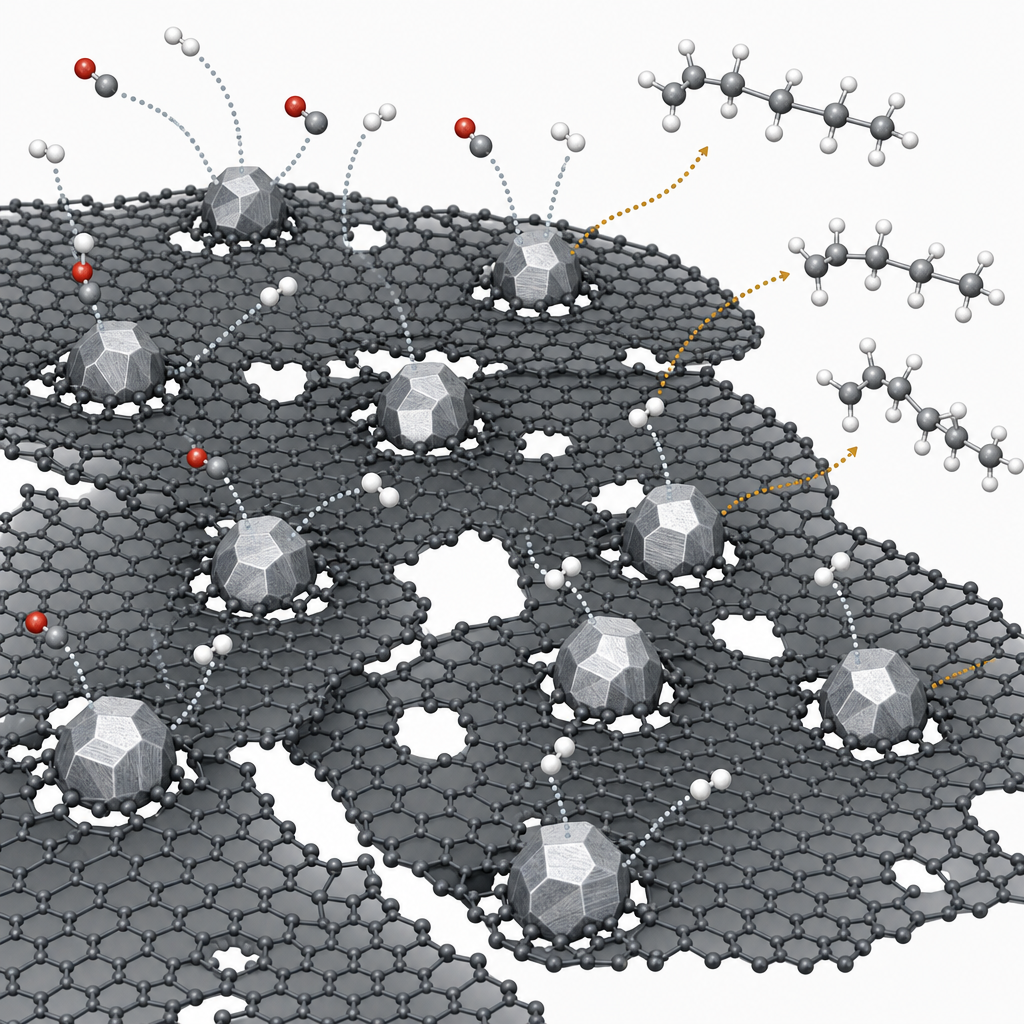
Lee, H. et al. (2019). Extremely productive iron-carbide nanoparticles on graphene flakes for CO hydrogenation reactions under harsh conditions. *Journal of Catalysis*. https://doi.org/10.1016/j.jcat.2019.09.004Journal of Catalysis · 2019Researchers at KIER used ACS Material single layer graphene to support 35 wt% Fe5C2 nanoparticles, achieving record C5+ productivity in CO hydrogenation.
About this research
Researchers at the Korea Institute of Energy Research (KIER) used single layer graphene powder supplied by ACS Material to engineer a highly productive Fe5C2/graphene (Fe5C2/G) …
Karimi, S., Ghasemi, I., & Abbassi-Sourki, F. (2019). A study on the crystallization kinetics of PLLA in the presence of Graphene Oxide and PEG-grafted-Graphene Oxide: Effects on the nucleation and chain …. *Composites Part B: Engineering*. https://doi.org/10.1016/j.compositesb.2018.10.004Composites Part B: Engineering · 2019Researchers used ACS Material graphene nanoplatelets to synthesize GO and PEG-grafted GO fillers that boost PLLA nucleation and spherulite growth.
About this research
In a study published in Composites Part B: Engineering (2019), researchers at the Iran …
Bregante, D. T. et al. (2019). Cooperative Effects between Hydrophilic Pores and Solvents: Catalytic Consequences of Hydrogen Bonding on Alkene Epoxidation in Zeolites. *Journal of the American Chemical Society*. https://doi.org/10.1021/jacs.8b12861University of Illinois at Urbana−Champaign · Journal of the American Chemical Society · 2019University of Illinois researchers use ACS Material Beta zeolite to build Ti-BEA catalysts and reveal silanol nests boost 1-octene epoxidation 100x.
About this research
Researchers at the University of Illinois at Urbana-Champaign, working with …
O’Hern, S. C. et al. (2012). Selective Molecular Transport through Intrinsic Defects in a Single Layer of CVD Graphene. *ACS Nano*. https://doi.org/10.1021/nn303869mMassachusetts Institute of Technology · ACS Nano · 2012MIT researchers used ACS Material CVD graphene on copper to build 25 mm² composite membranes showing size-selective molecular transport through intrinsic 1–15 nm pores.
About this research
Researchers at the Massachusetts Institute of Technology used CVD graphene on copper foil purchased from ACS Material to construct large-area graphene composite membranes (GCMs) …
Boutilier, M. S. H. et al. (2014). Implications of Permeation through Intrinsic Defects in Graphene on the Design of Defect-Tolerant Membranes for Gas Separation. *ACS Nano*. https://doi.org/10.1021/nn405537uMassachusetts Institute of Technology · ACS Nano · 2014MIT researchers used CVD graphene on copper foil from ACS Material to build multilayer gas separation membranes, cutting helium leakage by up to 99%.
About this research
Researchers at the Massachusetts Institute of Technology used CVD graphene on copper foil supplied by ACS Material to fabricate multilayer graphene composite …
Pang, Q., & Nazar, L. F. (2016). Long-life and high-areal-capacity Li–S batteries enabled by a light-weight polar host with intrinsic polysulfide adsorption. *ACS Nano*. https://doi.org/10.1021/acsnano.5b07347University of Waterloo · ACS Nano · 2016University of Waterloo researchers used ACS Material graphene in g-C3N4/S cathodes, achieving 4.27 mAh cm⁻² areal capacity and 0.04% fade per cycle over 1500 cycles.
About this research
Researchers at the University of Waterloo, led by Quan Pang and Linda F. Nazar, used graphene supplied by ACS Material as a conductive additive in …
Hondred, J. A. et al. (2017). High-Resolution Graphene Films for Electrochemical Sensing via Inkjet Maskless Lithography. *ACS Nano*. https://doi.org/10.1021/acsnano.7b03554Iowa State University · ACS Nano · 2017Iowa State University used ACS Material reduced graphene oxide to create high-resolution (20 μm) printed graphene films for flexible H2O2 electrochemical sensors.
About this research
Researchers at Iowa State University developed a new patterning technique called inkjet maskless lithography (IML) using completely reduced graphene oxide supplied by ACS Material (catalog …
Jain, R. et al. (2019). Reversible alloying of phosphorene with potassium and its stabilization using reduced graphene oxide buffer layers. *ACS Nano*. https://doi.org/10.1021/acsnano.9b06680Rensselaer Polytechnic Institute · ACS Nano · 2019Researchers at Rensselaer Polytechnic Institute used ACS Material reduced graphene oxide to stabilize phosphorene anodes in potassium-ion batteries, forming K4P3.
About this research
Researchers at Rensselaer Polytechnic Institute demonstrated that reduced graphene oxide (rGO) purchased from ACS Material can stabilize few-layer phosphorene (FLP) as …
Klusch, N. et al. (2022). Cryo-EM structure of the respiratory I + III2 supercomplex from Arabidopsis thaliana at 2 Å resolution. *Nature Plants*. https://doi.org/10.1038/s41477-022-01308-6Nature Plants · 2022Researchers used ACS Material Trivial Transfer single-layer graphene to prepare cryo-EM grids and resolve the Arabidopsis I+III2 respiratory supercomplex at 2 Å.
About this research
Researchers at the Max-Planck-Institute of Biophysics used ACS Material's Trivial Transfer single-layer graphene as a cryo-EM grid support to determine the 2 Å resolution structure of the …
Sun, Q., Xie, Z., & Yu, J. (2018). The state-of-the-art synthetic strategies for SAPO-34 zeolite catalysts in methanol-to-olefin conversion. *National Science Review*. https://doi.org/10.1093/nsr/nwx103Jilin University · National Science Review · 2018Jilin University review of state-of-the-art SAPO-34 zeolite synthesis for methanol-to-olefin (MTO) conversion, with ACS Material SAPO-34 used in post-treatment studies.
About this research
Researchers at Jilin University, in collaboration with SINOPEC, published a comprehensive review in National Science Review surveying …
Fuente, M. S. d. l. et al. (2020). Enhanced charge carrier transport in 2D perovskites by incorporating single-walled carbon nanotubes or graphene. *ACS Energy Letters*. https://doi.org/10.1021/acsenergylett.9b01821Lawrence Berkeley National Laboratory · ACS Energy Letters · 2020LBNL researchers used ACS Material single-layer graphene to enhance charge transport in 2D perovskite solar cells, doubling power conversion efficiency.
About this research
Researchers at Lawrence Berkeley National Laboratory used single-layer graphene supplied by ACS Material to nearly double the power …
Mukherjee, R. et al. (2014). Defect-Induced plating of lithium metal within porous graphene networks. *Nature Communications*. https://doi.org/10.1038/ncomms4710Nature Communications · 2014Rensselaer researchers used ACS Material graphene oxide to build porous graphene networks that cage plated lithium metal, delivering 850+ mAh/g over 1,000 cycles.
About this research
Researchers at Rensselaer Polytechnic Institute, working with collaborators at Brown University and the University of Pennsylvania, used graphene oxide (GO) dispersion from ACS Material as the sole precursor to build …
Dontschuk, N. et al. (2015). A graphene field-effect transistor as a molecule-specific probe of DNA nucleobases. *Nature Communications*. https://doi.org/10.1038/ncomms7563Nature Communications · 2015University of Melbourne researchers used CVD graphene from ACS Material to build field-effect transistors that detect molecule-specific DNA nucleobase signals.
About this research
Researchers at the University of Melbourne, in collaboration with La Trobe University and the Australian Synchrotron, used CVD graphene on copper foil sourced from ACS Material LLC to construct graphene …
Lee, J. et al. (2014). Switching individual quantum dot emission through electrically controlling resonant energy transfer to graphene. *Nano Letters*. https://doi.org/10.1021/nl503587zNano Letters · 2014Researchers at Lawrence Berkeley National Laboratory used ACS Material CVD graphene on copper to electrically switch individual PbS quantum dot emission at room temperature.
About this research
Researchers at Lawrence Berkeley National Laboratory's Molecular Foundry, working with collaborators at the University of California, Berkeley, used monolayer CVD graphene on copper foil …
Li, S. et al. (2014). Strong and selective adsorption of lysozyme on graphene oxide. https://doi.org/10.1021/am500254e2014Cerritos College researchers used single-layer graphene oxide from ACS Material to selectively adsorb lysozyme from protein mixtures via electrostatic binding.
About this research
Researchers affiliated with Cerritos College, working with collaborators at the University of Miami and MP Biomedicals, used single-layer graphene oxide (GO) purchased from ACS Material LLC to investigate and quantify the strong, selective adsorption of lysozyme onto GO surfaces. Published …
Verboekend, D., & Milina, M. (2014). Hierarchical silicoaluminophosphates by postsynthetic modification: influence of topology, composition, and silicon distribution. *Chemistry of Materials*. https://doi.org/10.1021/cm501774sChemistry of Materials · 2014ETH Zurich researchers use ACS Material SAPO-11 and SAPO-34 to study postsynthetic acid and base treatments that create hierarchical silicoaluminophosphates.
About this research
Researchers at the Institute for Chemical and Bioengineering at ETH Zurich used ACS Material SAPO-11 and SAPO-34 molecular sieves to systematically map how …
Karnik, R. (2014). Ionic and Molecular Transport Through Graphene Membranes. *NATO Science for Peace and Security Series C: Environmental Security*. https://doi.org/10.1007/978-94-007-7534-3_8NATO Science for Peace and Security Series C: Environmental Security · 2014MIT study uses CVD graphene on copper foil from ACS Material to fabricate single-layer graphene membranes with selective ion and molecular transport.
About this research
Researchers at the Massachusetts Institute of Technology used CVD graphene on copper foil supplied by ACS Material to fabricate macroscopic single-layer …
Yilmazoglu, O. et al. (2014). Photocathodes based on graphene nanoplatelet emitters on semi-Insulating GaAs photoswitch. *2014 27th International Vacuum Nanoelectronics Conference (IVNC)*. https://doi.org/10.1109/ivnc.2014.68947402014 27th International Vacuum Nanoelectronics Conference (IVNC) · 2014TU Darmstadt and Shizuoka University built a graphene nanoplatelet photocathode on semi-insulating GaAs with 1.5 V/µm turn-on field and >200 on/off ratio.
About this research
Researchers at Technische Universität Darmstadt, working with collaborators at Shizuoka University, …
Morrow, W. K., Gila, B. P., & Pearton, S. J. (2014). (Invited) The Use of Graphene as a Solid State Diffusion Barrier. *ECS Transactions*. https://doi.org/10.1149/06104.0371ecstECS Transactions · 2014University of Florida researchers used ACS Material CVD graphene on Si and SiO2 to block Ti silicide formation up to 900 °C and prevent Cu diffusion at 825 °C.
About this research
Researchers at the University of Florida used CVD graphene on Si and SiO2 substrates supplied by ACS Material to demonstrate that single- and double-layer graphene can serve as an effective solid-state …
Liang, X. et al. (2015). A highly efficient polysulfide mediator for lithium–sulfur batteries. *Nature Communications*. https://doi.org/10.1038/ncomms6682Nature Communications · 2015University of Waterloo researchers used ACS Material single-layer graphene oxide to template MnO2 nanosheets that mediate polysulfides in Li–S batteries.
About this research
Researchers at the University of Waterloo, working with BASF SE, used single-layer graphene oxide supplied by ACS Material as the synthetic template to grow ultra-thin δ-MnO2 nanosheets, producing a sulfur/MnO2 cathode that …
Su, W. et al. (2018). In situ topographical chemical and electrical imaging of carboxyl graphene oxide at the nanoscale. *Nature communications*.Nature communications · 2018Researchers used carboxyl graphene oxide from ACS Material to demonstrate ~10 nm TERS mapping of defects and functional groups, correlating Fermi level with defect density.
About this research
Researchers at Hangzhou Dianzi University, in collaboration with the National Physical Laboratory (UK), Utrecht University, and HORIBA Scientific, used carboxyl-functionalized graphene oxide (GO–COOH) supplied by ACS …
Xue, M. et al. (2022). Integrated biosensor platform based on graphene transistor arrays for real-time high-accuracy ion sensing. *Nature Communications*. https://doi.org/10.1038/s41467-022-32749-4Nature Communications · 2022MIT researchers built a 16×16 graphene transistor biosensor array using ACS Material Trivial Transfer Graphene to detect K+, Na+, and Ca2+ ions in real time.
About this research
Researchers at the Massachusetts Institute of Technology used ACS Material Trivial Transfer Graphene to fabricate a 16×16 electrolyte-gated field-effect transistor (EGFET) array that …
Das, S. et al. (2019). A leaf-inspired photon management scheme using optically tuned bilayer nanoparticles for ultra-thin and highly efficient photovoltaic devices. *Nano Energy*. https://doi.org/10.1016/j.nanoen.2018.12.072Nano Energy · 2019University of Central Florida used ACS Material CVD bilayer graphene on copper foil to build leaf-inspired flexible graphene/Si solar cells reaching 8.8% efficiency.
About this research
Researchers at the University of Central Florida, together with collaborators at KAUST, used CVD bilayer graphene on copper foil purchased from ACS Material to …
Shim, H. et al. (2022). An elastic and reconfigurable synaptic transistor based on a stretchable bilayer semiconductor. *Nature Electronics*. https://doi.org/10.1038/s41928-022-00836-5Nature Electronics · 2022Researchers at Penn State used ACS Material silver nanowires to build elastic reconfigurable synaptic transistors achieving over 90% MNIST accuracy at 50% strain.
About this research
Researchers at Pennsylvania State University, working with collaborators at the University of Houston, Southeast University, Northwestern University, and Flexterra, used silver nanowires supplied by …
Groep, J. v. d. et al. (2020). Exciton resonance tuning of an atomically thin lens. *Nature Photonics*. https://doi.org/10.1038/s41566-020-0624-yNature Photonics · 2020Stanford researchers used ACS Material Trivial Transfer Graphene as a transparent gate electrode on a monolayer WS2 zone plate lens, achieving 33% focal modulation.
About this research
Researchers at Stanford University, working in the Geballe Laboratory for Advanced Materials, used ACS Material Trivial Transfer Graphene as the transparent top-gate electrode in an atomically thin, electrically tunable zone plate lens …
Jain, T. et al. (2015). Heterogeneous sub-continuum ionic transport in statistically isolated graphene nanopores. *Nature Nanotechnology*. https://doi.org/10.1038/nnano.2015.222Nature Nanotechnology · 2015MIT researchers used ACS Material CVD graphene to isolate sub-2 nm nanopores, revealing ion-channel-like transport behaviors in Nature Nanotechnology (2015).
About this research
Researchers at the Massachusetts Institute of Technology, led by Rohit Karnik, used CVD-grown single-layer graphene purchased from ACS Material to demonstrate that statistically isolated sub-2 nm nanopores in …
Zheng, J. et al. (2021). Regulating electrodeposition morphology in high-capacity aluminium and zinc battery anodes using interfacial metal–substrate bonding. *Nature Energy*.Nature Energy · 2021Cornell researchers use ACS Material graphene dispersions and carboxylated carbon nanotubes to enable 99.6–99.8% reversible Al and Zn battery anodes.
About this research
Researchers at Cornell University, in collaboration with Brookhaven National Laboratory and Stony Brook University, used graphene dispersion in NMP and carboxylic-functionalized carbon nanotubes purchased from ACS Material …
Liu, L., Gao, B., Wu, L., Morales, V. L., Yang, L., Zhou, Z., & Wang, H. (2013). Deposition and transport of graphene oxide in saturated and unsaturated porous media. *Chemical Engineering Journal*.Chemical Engineering Journal · 2013University of Florida and UC Davis researchers used ACS Material single-layer graphene oxide to study GO deposition and transport in saturated and unsaturated sand columns.
About this research
Researchers at the University of Florida, working with collaborators from UC Davis, Cornell University, and the Chinese Academy of Sciences, used single-layer …
Ding, Z., Hu, X., Morales, V., & Gao, B. (2014). Filtration and transport of heavy metals in graphene oxide enabled sand columns. *Chemical Engineering Journal*.Chemical Engineering Journal · 2014Researchers used ACS Material graphene oxide to build GO-enabled sand columns that filter Pb(II) and Cu(II) from water, with quantified breakthrough behavior.
About this research
Researchers led by Bin Gao at the University of Florida used graphene oxide obtained from ACS Material to construct GO-enabled quartz-sand filter columns and quantified their performance for removing Pb(II) and …
Zhang, M., Gao, B., Vanegas, D., & McLamore, E. (2014). Simple approach for large-scale production of reduced graphene oxide films. *Chemical Engineering Journal*. https://doi.org/10.1016/j.cej.2014.01.019Chemical Engineering Journal · 2014University of Florida researchers used ACS Material graphene oxide (0.5–5 µm) to produce conductive reduced graphene oxide films at 90 °C without toxic reductants.
About this research
University of Florida researchers led by Bin Gao demonstrated a simple, scalable route to reduced graphene oxide (Re-GO) films by reducing ACS Material graphene …
Mukherjee, R., Thomas, A. V., Krishnamurthy, A., & Koratkar, N. (2012). Photothermally Reduced Graphene as High-Power Anodes for Lithium-Ion Batteries. *ACS Nano*. https://doi.org/10.1021/nn303145jRensselaer Polytechnic Institute · ACS Nano · 2012Rensselaer researchers use ACS Material graphene oxide to make photothermally reduced graphene paper anodes delivering 156 mAh/g over 1000 cycles at 40 C.
About this research
Researchers at Rensselaer Polytechnic Institute used aqueous graphene oxide dispersion supplied by ACS Material as the starting material to produce photothermally …
You, S., Sundqvist, B., & Talyzin, A. (2013). Enormous lattice expansion of hummers graphite oxide in alcohols at low temperatures. *Acs Nano*. https://doi.org/10.1021/nn3051105Acs Nano · 2013Umeå University used Hummers graphite oxide from ACS Material to reveal lattice expansion to 20.6 Å in ethanol at 140 K via synchrotron XRD.
About this research
Researchers at Umeå University (Department of Physics) used Hummers graphite oxide purchased from ACS Material, USA, to demonstrate an enormous low-temperature lattice expansion in liquid alcohols, with the H-GO interlayer distance …
Scott, R. J., Valencia-Acuna, P., & Zhao, H. (2023). Spatiotemporal observation of quasi-ballistic transport of electrons in graphene. *ACS Nano*. https://doi.org/10.1021/acsnano.3c08816The University of Kansas · ACS Nano · 2023University of Kansas researchers used ACS Material CVD and Trivial Transfer graphene to observe room-temperature quasi-ballistic electron transport at 22 km/s.
About this research
Researchers at The University of Kansas used CVD graphene supplied by ACS Material to construct a four-layer van der Waals heterostructure and directly observe room-temperature …
Su, W., Kumar, N., Krayev, A., & Chaigneau, M. (2018). In situ topographical chemical and electrical imaging of carboxyl graphene oxide at the nanoscale. *Nature Communications*. https://doi.org/10.1038/s41467-018-05307-0Nature Communications · 2018Researchers at Hangzhou Dianzi University used tip-enhanced Raman spectroscopy to map functional groups on carboxyl graphene oxide with ~10 nm spatial resolution.
About this research
Researchers led by Hangzhou Dianzi University, working with the UK National Physical Laboratory, Utrecht University, and HORIBA, used …
Ali, M. A., Hu, C., Yuan, B., Jahan, S., Saleh, M. S., Guo, Z., Gellman, A. J., & Panat, R. (2021). Breaking the barrier to biomolecule limit-of-detection via 3D printed multi-length-scale graphene-coated electrodes. *Nature Communications*. https://doi.org/10.1038/s41467-021-27361-xNature Communications · 2021Carnegie Mellon researchers used ACS Material reduced graphene oxide on 3D printed silver micropillars to detect dopamine at a 500 attomolar limit.
About this research
Researchers at Carnegie Mellon University used reduced graphene oxide (rGO) nanoflakes supplied by ACS …
Zhang, Y., Ye, Z., Li, C., Chen, Q., Aljuhani, W., Huang, Y., Xu, X., Wu, C., Bell, S. E. J., & Xu, Y. (2023). General approach to surface-accessible plasmonic Pickering emulsions for SERS sensing and interfacial catalysis. *Nature Communications*. https://doi.org/10.1038/s41467-023-37001-1Nature Communications · 2023Queen's University Belfast researchers use ACS Material graphene nanopellets to build modifier-free plasmonic Pickering emulsions for SERS and catalysis.
About this research
Researchers at Queen's University Belfast, together with collaborators at East China University …
Zhang, S., Feng, Y., Hao, S., Xu, Z., Ashokkumar, S., Wang, J., & Wang, H. (2026). Integrated electrochemical porous solid electrolyte reactor and packed bed reactor for efficient synthesis of nylon-6 precursor. *Nature Communications*. https://doi.org/10.1038/s41467-026-70236-2Nature Communications · 2026Rice University integrates a porous solid electrolyte reactor with a TS-1 packed bed reactor to produce cyclohexanone oxime at 97.2% selectivity and 93.6% yield.
About this research
Researchers at Rice University, using Titanium Silicalite-1 (TS-1) supplied by ACS Material, have …
Chen, J., Sarkar, A., Rahman, M. S., Ravel, V., Franklin, A. D., & Roy, T. (2025). Robust Memcapacitive Synapse Array for Energy-Efficient Motion Detection. *ACS Nano*. https://doi.org/10.1021/acsnano.5c02340Duke University Pratt School of Engineering · ACS Nano · 2025Duke University builds a 9x9 memcapacitor synapse array with a wet-transferred bilayer graphene gate, achieving 92.6% yield and picowatt motion sensing.
About this research
Researchers at Duke University Pratt School of Engineering used wet-transferred bilayer graphene (the same class of material distributed as ACS …
Huang, K., Yan, Y., Yu, X., Zhang, H., & Yang, D. (2017). Graphene coupled with Pt cubic nanoparticles for high performance, air-stable graphene-silicon solar cells. *Nano Energy*.Nano Energy · 2017Zhejiang University coupled ACS Material single-layer CVD graphene with Pt cubic nanoparticles to build air-stable graphene-silicon solar cells reaching 10% PCE.
About this research
Researchers at Zhejiang University used commercial single-layer CVD graphene supplied by ACS Material, coupled with cubic platinum nanoparticles, to build air-stable graphene-silicon (Gr-Si) heterojunction …
Lee, S., Lee, J. S., Jang, J., Hong, K., Lee, D., Song, S., Kim, K., Eo, Y., Yun, J. H., Gwak, J., & Chung, C. (2018). Robust nanoscale contact of silver nanowire electrodes to semiconductors to achieve high performance chalcogenide thin film solar cells. *Nano Energy*. https://doi.org/10.1016/j.nanoen.2018.09.027Nano Energy · 2018Researchers used ACS Material AgNW-L30 silver nanowires as transparent top electrodes in CIGS thin-film solar cells, achieving robust nanoscale contact and high efficiency.
About this research
Researchers led by Choong-Heui Chung at Hanbat National …
Chen, R., Das, S. R., Jeong, C., Khan, M. R., Janes, D. B., & Alam, M. A. (2013). Co-Percolating Graphene-Wrapped Silver Nanowire Network for High Performance, Highly Stable, Transparent Conducting Electrodes. *Advanced Functional Materials*. https://doi.org/10.1002/adfm.201300124Advanced Functional Materials · 2013Purdue University combines ACS Material CVD graphene on copper foil with silver nanowires to create co-percolating transparent electrodes reaching 13 Ω/sq at 88% transparency.
About this research
Researchers at Purdue University, publishing in Advanced Functional …
Wang, X., Gao, T., Fan, X., Han, F., Wu, Y., Zhang, Z., Li, J., & Wang, C. (2016). Tailoring surface acidity of metal oxide for better polysulfide entrapment in Li‐S batteries. *Advanced Functional Materials*. https://doi.org/10.1002/adfm.201602264Department of Chemical and Biomolecular Engineering University of Maryland College Park MD 20742 USA · Advanced Functional Materials · 2016University of Maryland researchers benchmark ACS Material porous carbon against acidity-tuned TiO2 hosts for polysulfide entrapment in Li-S batteries.
Ricciardulli, A., & Yang, S. (2018). Hybrid silver nanowire and graphene‐based solution‐processed transparent electrode for organic optoelectronics. *Advanced Functional Materials*. https://doi.org/10.1002/adfm.201706010Advanced Functional Materials · 2018Max Planck researchers combined ACS Material silver nanowires with exfoliated graphene to form ITO-free transparent electrodes for solar cells and PLEDs.
About this research
Researchers at Max‐Planck‐Institut für Polymerforschung Ackermannweg 10 55128 Mainz Germany used silver nanowires (AgNWs) purchased from ACS Material …
Li, X., Jung, Y., Huang, J., Goh, T., & Taylor, A. D. (2014). Device Area Scale-Up and Improvement of SWNT/Si Solar Cells Using Silver Nanowires. *Advanced Energy Materials*. https://doi.org/10.1002/aenm.201400186Department of Chemical and Environmental Engineering Yale University New Haven CT 06511 USA · Advanced Energy Materials · 2014Yale researchers use ACS Material silver nanowires to scale SWNT/Si solar cells to 49 mm² with ~11% efficiency, overcoming series resistance losses.
About this research
Researchers at the Department of Chemical and Environmental Engineering, Yale …
Kim, M., Porras-Gomez, M., & Leal, C. (2020). Graphene-based sensing of oxygen transport through pulmonary membranes. *Nature communications*.Nature communications · 2020UIUC researchers built a CVD-graphene oxygen sensor (ACS Material) revealing how cardiolipin stalks raise O2 permeability in pulmonary membranes.
About this research
Researchers at the University of Illinois at Urbana-Champaign used CVD graphene on copper foil from ACS Material, LLC to fabricate a micrometer-scale oxygen permeation sensor that directly measures gas transport through model pulmonary membranes. …
Sim, K., Ershad, F., Zhang, Y., Yang, P., Shim, H., Rao, Z., Lu, Y., Thukral, A., Elgalad, A., Xi, Y., Tian, B., Taylor, D. A., & Yu, C. (2020). An epicardial bioelectronic patch made from soft rubbery materials and capable of spatiotemporal mapping of electrophysiological activity. *Nature Electronics*. https://doi.org/10.1038/s41928-020-00493-6Nature Electronics · 2020University of Houston researchers built a fully rubbery, AgNW-based epicardial patch that maps electrophysiology, strain and temperature on a beating porcine heart.
Nagamanasa, K. H., Wang, H., & Granick, S. (2017). Liquid-Cell Electron Microscopy of Adsorbed Polymers. *Advanced Materials*. https://doi.org/10.1002/adma.201703555IBS Center for Soft and Living Matter UNIST Ulsan 689‐798 South Korea · Advanced Materials · 2017IBS Center for Soft and Living Matter UNIST used ACS Material CVD graphene to build liquid pockets and image individual PSS and PEO polymer molecules by TEM.
About this research
Researchers at IBS Center for Soft and Living Matter UNIST Ulsan 689‐798 South Korea demonstrated, using commercial CVD graphene …
Lezcano-Gonzalez, I., Campbell, E., Hoffman, A. E. J., Bocus, M., Sazanovich, I. V., Towrie, M., Agote-Aran, M., Gibson, E. K., Greenaway, A., Wispelaere, K. D., Speybroeck, V. V., & Beale, A. M. (2020). Insight into the effects of confined hydrocarbon species on the lifetime of methanol conversion catalysts. *Nature Materials*. https://doi.org/10.1038/s41563-020-0800-yNature Materials · 2020Operando Kerr-gated Raman and DFT simulations on SAPO-34 and ZSM-5 reveal polyenes as the missing link between active and deactivating species in MTO catalysis.
Wang, S., Lee, S., Du, J. S., Partridge, B. E., Cheng, H. F., Zhou, W., Dravid, V. P., Lee, B., Glotzer, S. C., & Mirkin, C. A. (2022). The emergence of valency in colloidal crystals through electron equivalents. *Nature Materials*. https://doi.org/10.1038/s41563-021-01170-5Nature Materials · 2022Northwestern University researchers use 10 nm and 1.4 nm gold nanoparticles with DNA to build nine colloidal crystal phases, including three new low-symmetry lattices.
About this research
Researchers at Northwestern University, working with colleagues at the University of …
Kim, J. Y. ‘., Zhu, P., Chen, F., Wu, Z., Cullen, D. A., & Wang, H. (2022). Recovering carbon losses in CO2 electrolysis using a solid electrolyte reactor. *Nature Catalysis*. https://doi.org/10.1038/s41929-022-00763-wNature Catalysis · 2022Rice University used silver nanowire catalysts in a porous solid electrolyte CO2 reduction reactor, recovering >90% of crossover CO2 at >99% purity.
About this research
Researchers at Rice University, led by Haotian Wang, used silver nanowire (Ag NW) catalysts inside a newly designed porous solid electrolyte (PSE) reactor to …
Sena-Torralba, A., Álvarez-Diduk, R., Parolo, C., Piper, A., & Merkoçi, A. (2022). Toward next generation lateral flow assays: integration of nanomaterials. *Chemical Reviews*. https://doi.org/10.1021/acs.chemrev.1c01012CSIC and The Barcelona Institute of Science and Technology (BIST) · Chemical Reviews · 2022ICN2/BIST review in Chem. Rev. shows how gold, quantum dot, carbon, magnetic and nanodiamond labels boost LFA sensitivity up to 10^5-fold for point-of-care diagnostics.
About this research
Researchers at CSIC and The Barcelona Institute of Science and Technology …
Dong, H., Tutusaus, O., Liang, Y., Zhang, Y., Lebens-Higgins, Z., Yang, W., Mohtadi, R., & Yao, Y. (2020). High-power Mg batteries enabled by heterogeneous enolization redox chemistry and weakly coordinating electrolytes. *Nature Energy*. https://doi.org/10.1038/s41560-020-00734-0Nature Energy · 2020University of Houston researchers built a Mg battery delivering 30.4 kW/kg using PTO cathodes, graphene additives, and a weakly coordinating boron cluster electrolyte.
About this research
Researchers at the University of Houston, in collaboration with Toyota Research …
Zheng, J., Bock, D. C., Tang, T., Zhao, Q., Yin, J., Tallman, K. R., Wheeler, G., Liu, X., Deng, Y., Jin, S., Marschilok, A. C., Takeuchi, E. S., Takeuchi, K. J., & Archer, L. A. (2021). Regulating electrodeposition morphology in high-capacity aluminium and zinc battery anodes using interfacial metal–substrate bonding. *Nature Energy*. https://doi.org/10.1038/s41560-021-00797-7Nature Energy · 2021Cornell researchers use carbon fibre substrates with Al-O-C interfacial bonding to achieve 99.6-99.8% Coulombic efficiency in high-capacity aluminium batteries.
Vanegas, D. C., Gomes, C., & McLamore, E. S. (2014). Xanthine oxidase biosensor for monitoring meat spoilage. *SPIE Proceedings*. https://doi.org/10.1117/12.2050489SPIE Proceedings · 2014University of Florida researchers used ACS Material graphene oxide in a Pt/Ir xanthine oxidase biosensor that detects meat spoilage with a 150 nM detection limit.
About this research
Researchers at the University of Florida, working with collaborators at Texas A&M University and Universidad del Valle, developed an electrochemical xanthine oxidase biosensor for real-time monitoring of meat …
Yin, Y., Holoubek, J., Liu, A., Sayahpour, B., Raghavendran, G., Cai, G., Han, B., Mayer, M., Schorr, N. B., Lambert, T. N., Harrison, K. L., Li, W., Chen, Z., & Meng, Y. S. (2023). Ultralow‐Temperature Li/CFx Batteries Enabled by Fast‐Transport and Anion‐Pairing Liquefied Gas Electrolytes. *Advanced Materials*. https://doi.org/10.1002/adma.202207932Materials Science and Engineering Program University of California La Jolla San Diego CA 92093 USA · Advanced Materials (IF 32.0) · 2023UC San Diego researchers paired ACS Material CFx cathodes with liquefied-gas electrolytes …
Pan, Z., Lu, G., Li, X., McBride, J. R., Juneja, R., Long, M., Lindsay, L., Caldwell, J. D., & Li, D. (2023). Remarkable heat conduction mediated by non-equilibrium phonon polaritons. *Nature*. https://doi.org/10.1038/s41586-023-06598-0Nature (IF 64.8) · 2023Vanderbilt researchers used 3C-SiC nanowires from ACS Material to demonstrate that non-equilibrium surface phonon polaritons boost thermal conductivity by 5.8 W/m·K.
About this research
Researchers at Vanderbilt University, in collaboration with Oak Ridge National Laboratory, used 3C-SiC nanowires purchased from ACS …
Yu, Y., Li, J., Solomon, S. A., Min, J., Tu, J., Guo, W., Xu, C., Song, Y., & Gao, W. (2022). All-printed soft human-machine interface for robotic physicochemical sensing. *Science Robotics*. https://doi.org/10.1126/scirobotics.abn0495California Institute of Technology · Science Robotics (IF 32.9) · 2022Caltech researchers used ACS Material silver nanowires to inkjet-print piezoresistive tactile sensors for an all-printed soft robotic e-skin (M-Bot).
About this research
The California Institute of Technology team led by Wei Gao used silver nanowire (AgNW) suspension supplied …
Frechette, M. F., Mancinelli, P., Vanga-Bouanga, C., Savoie, S., David, E., & Fabiani, D. (2013). Preparation and dielectric responses of solid epoxy composites containing a mixture of epoxy powder ball-milled with GO. *2013 Annual Report Conference on Electrical Insulation and Dielectric Phenomena*. https://doi.org/10.1109/ceidp.2013.67483352013 Annual Report Conference on Electrical Insulation and Dielectric Phenomena · 2013Hydro-Québec IREQ researchers ball-milled ACS Material graphene oxide with epoxy powder to fabricate solid epoxy nanocomposites with tunable dielectric …
Carbon has “a lean and hungry look,” as Shakespeare has Julius Caesar saying about Cassius. A relatively small atom with 6 protons, it exhibits tremendous flexibility in its dealings with other carbons and other species, and is the basis for all organic chemistry. While all organic compounds contain carbon, not all carbon-containing compounds are organic. However, there are approximately 20 million known organic compounds and about ½ million known inorganic compounds, making carbon the hands-down winner of the most promiscuous element contest.
Carbon is capable …
Boron nitride (chemical formula BN) is a rare and special material that is particularly effective at solving problems that other materials cannot survive. It continues to perform consistently with remarkable stability and strength.
Its unique ability is to combine properties that are typically exclusive, ranging from reliable performance in advanced electronics to improved efficiency in innovative energy systems. Therefore, this blog explains all the aspects of BN that make it valuable to materials science.
What Is Boron Nitride (BN) And How Is It Synthesized?
Definition: Graphene can be defined as an allotrope of carbon that consists of a single layer of carbon atoms arranged in a hexagonal lattice and with carbon-carbon sp2 hybridized bonds. With each carbon atom covalently joined to 3 other carbon atoms in a 2-dimensional array, there is no opportunity for other chemistry unless the carbons become dissociated with one or more of these bonds, or at the edges of the sheets where unsaturated bonds exist. The resultant structure is highly integrated, very physically strong, capable of extreme transmission of electrons and phonons, …
When designing equipment or semi-conductor packaging, it is essential that you identify sources of excess heat and make engineering decisions about how to handle it. This often means deciding what type of material is best suited to the particular need at each physical interface.
The class of materials often used for these transitions are called Thermal Interface Materials, or TIMs, and a great deal of engineering goes into their design and specification. It is critical to have accurate thermal measurements when designing these materials, especially with the ability to measure small …
Nanotechnology and nanoparticles are imperative in revolutionizing industries by deploying matter at the atomic scale (1-100 nm). This approach creates materials with unique properties that are beneficial across industries such as smart sensors, water filtration, and energy solutions.
Nanotechnology makes life safer, more efficient, and technologically advanced. In this blog, we will discuss the best materials, graphene nanoparticles from the Graphene Series. It also explains the benefits and applications of graphene oxide nanoparticles across various industries, making our lives …
Human interaction with heat is as old as the radiance from a fire. Measurement of heat is a much younger endeavor. The concept of measuring temperature was considered as early as the third century BCE, but not until the end of the 16th century CE was a rudimentary device invented by Galileo that could determine if a temperature had changed. This thermoscope was created in an attempt to know if a fever was present in a patient but it had no numeric values. A few years later, another Italian scientist developed what is considered the first true thermometer with …
Reduced graphene oxide (rGO) has attracted significant attention in the scientific community for its unique properties and potential. As an influential nanomaterial, its power depends on its qualities, like protecting, strengthening, and enhancing materials' performance for everyday use.
Additionally, rGO offers a rare combination of ultra-high strength, conductivity, and chemical stability, reshaping everything from construction to electronics. In this blog, we discuss the best applications of rGO in concrete.
Why and when do we need to measure heat transfer?
Increasingly important in any technology that requires energetic mechanisms to perform work, the field of thermal transfer is expanding to include more methods of measurement, more inquiry into thermal management, and more understanding of the interaction of electrons and phonons. The semi-conductor industry is highly dependent on the mitigation of heat produced in excess by the activity of computing circuitry, but it is certainly not the only industry that has keen interest in the development of management techniques. …
Reduced graphene oxide rGo is an attention-seeking material in the scientific community for its potential applications from the Graphene Series. As we know, pristine graphene is expensive and difficult to produce in large quantities.
Meanwhile, rGO is scalable due to its manufacture from inexpensive materials like graphene, a cost-effective option. This blog unlocks the application of technological breakthroughs and advanced materials. So, before diving into the application of reduced graphene oxide. Let’s understand rGo and its synthesis.
Nanotechnology has sparked a revolution in material science. This field is dominated by two names: graphene and Carbon Nanotubes (CNTs). Both materials have some similarities; they are types of carbon, very strong and conductive, and transforming the industries.
However, despite their similarities, they are not identical. In the case you are asking yourself what the difference is between graphene and nanotubes, or which is superior to use in certain application cases, then this article will provide you with clear-cut, easy-to-understand answers.
Many individuals imagine fine films or theoretical constructs are thin in the world; the reality is different. The absolute record-holder is graphene, a sheet of carbon atoms assembled in a hexagonal lattice just one atom thick. It has a thickness of 0.334-0.345 nanometers (nm). A human hair is roughly 80,000 to 100,000 nanometers thick, and a sheet of paper is around 100,000 (nm) thick.
However, graphene is thinner than all other things in this world, and its exceptional qualities make it a wonder material for technology. The Top-notch Graphene Series is renowned worldwide for its …
Carbon nanotubes (CNTs) are transforming industries and their future with noteworthy properties. These properties include mechanical strength, chemical resilience, and electrical conductivity. Let’s see three significant types of CNTs before diving into further discussion.
Graphene has earned its reputation as the “wonder material” of this century. A groundbreaking two-dimensional carbon non-material has become the attention seeker for researchers and manufacturers. Graphene Oxide (GO) is an oxidized form that is enriched with oxygen-containing functional groups and synthesized through the Modified Hummers Method. For the preparation of graphene oxide, experts use methods like oxidation and exfoliation on graphite oxide.
The oxygen-containing groups ensure its easy dispersibility in organic compounds, water solvents, and various matrices. Additionally, …
Silicon dioxide (SiO₂) is one of the most abundant materials in the Earth’s crust — the main ingredient of sand and quartz — yet the same compound also appears on supplement labels, inside the little silica-gel packets in a shoe box, and the key insulating layer inside every silicon chip. This article explains what silicon dioxide actually is, how its crystalline and amorphous forms differ, why a small amount is added to food, whether eating it is safe, and where else it is used — with two interactive simulators to make the key ideas tangible.
Graphene and graphite are both pure carbon, and they are intimately related — graphene is a single sheet of the very same atomic layers that, stacked by the millions, make up a lump of graphite. Yet their properties are worlds apart: one is a soft, gray, everyday industrial solid, the other a transparent, atom-thin sheet that is among the strongest and most conductive materials ever measured. This guide explains exactly what separates them, compares their properties with verified figures, and shows where each one is the right choice.
Graphene is a single layer of carbon atoms; …
ACS Material's PlasMil™ Series represents the advanced powder processing technology, integrating cold plasma field discharge with mechanical vibratory ball milling to deliver unprecedented efficiency, precision, and material innovation. Developed through years of research and protected under PCT international patent applications filed in the United States, Japan, and European member states, the PlasMil™ line has already been adopted by many international universities, research institutes, and industrial partners.
PlasMil™ L3
The PlasMil™ L3 model introduces cold plasma …
Over the last few decades, we have heard a lot about the incredible benefits of graphene. The invention of this chemical creates buzz in many industries and unlocks new possibilities for next-generation innovations.
Understanding Of Graphene
Graphene is a material that is composed of carbon atoms grouped in the form of a hexagonal lattice. Besides, this arrangement results in a monolayer of an atom thick. It is acquired from the most copious substance in nature, graphite, which may be found in mines of our pencils. And, you know, one millimeter of graphite includes three million layers of …
The graphene continues to maintain its reputation as a proven supermaterial due to its effectiveness and strengthening qualities. Although it’s just a single layer, it boasts 200 times the steel duality, high thermal and electrical conductivity. In 2024, Fortune Business Insights estimated the graphene market size at nearly USD 694 million worldwide.
AInvest projected the graphene market to climb to about USD 8.3 billion by 2032, driven mainly by accelerated energy storage demand. So, the figures reflect a compound annual growth rate (CAGR) exceeding 36%, a testament to …
In the fields of 3D printing and manufacturing, people often confuse the term “precision,” which may refer to either the accuracy of parts or the result of a machine. However, “precision” doesn’t always mean replicating the same thing; it can describe how closely a part matches the required design or how finely a machine can create intricate details.
Some thoughts explain “precision” as a more specific measure of repeatability, which refers to how a process or product yields consistent results. Furthermore, “precision” may simply refer …
InSitu Pro™ Optical Heating and Cooling Stage is an experimental device that integrates microscopic observation with temperature control technology. It is widely used in materials science, physics, chemistry, biology, and other fields. By precisely controlling temperature while observing the microstructural changes of samples in real time, optical heating and cooling stages provide critical technical support for materials research and have enabled breakthrough progress in multiple disciplines.
Core Functions of Optical Heating and Cooling StagesPrecise Temperature Control…
ACS Material is proud to announce the launch of our latest product line: Quantum Diamonds, engineered to support cutting-edge advancements in quantum science, precision sensing, and nanotechnology research.
What Are Quantum Diamonds?
Quantum diamonds are synthetic diamond materials embedded with nitrogen-vacancy (NV) centers—atomic-scale defects formed when a nitrogen atom replaces a carbon atom adjacent to a vacant lattice site. These NV centers exhibit exceptional optical and spin properties, including room-temperature quantum coherence and stable fluorescence, making them ideal …
In today’s fast-paced semiconductor industry, every nanometer counts—and every insight gained from post-fabrication analysis can mean the difference between a successful launch and a costly delay. To meet the evolving needs of engineers and researchers, we are excited to announce the latest addition to our analytical testing catalog: Focused Ion Beam (FIB) & Microelectronic Device Debugging Services.
These specialized services are designed to support chip development throughout its lifecycle, with a particular focus on post-fabrication testing, failure analysis, and design …
Designed with practicality in mind, the MetriTec™ line combines robust measurement capabilities with intuitive operation, making it the ideal solution for professionals seeking reliability without unnecessary complexity.
Whether you're verifying the optical properties of a transparent film, inspecting surface gloss consistency, or confirming coating thickness on precision components, MetriTec™ instruments enable you to obtain accurate data quickly and confidently, in the lab, on the line, or in the field.
Comprehensive Measurement Solutions for Diverse Applications
The …
We are excited to introduce the HydroGenec™ Hydrogen Production System (HPS) and HydroGenec™ Electrolyzer, two cutting-edge technologies designed for efficient, scalable, and cost-effective hydrogen production. These modular systems leverage Anion Exchange Membrane (AEM) technology, providing superior performance, safety, and adaptability across various applications, from research and development to industrial-scale hydrogen production.
Key Features of HydroGenec™ HPS & Electrolyzer
Modular and Scalable:Both systems can be customized to meet different hydrogen …
At ACS Material, we are more than just a materials supplier—we are a full-service partner in product development. With over 15 years of experience, we provide end-to-end solutions that take ideas from the initial concept stage all the way to manufacturing and distribution. Our expertise spans across product design, full-scale manufacturing, and market distribution, ensuring that every product we develop meets the highest standards of innovation and quality.
Design & Development
A great product starts with a great design. At ACS, we work closely with our clients to refine ideas into …
In biotechnology, efficiency, precision, and automation are keys to advancing cell-based research and therapies. ACS Materials presents two state-of-the-art products, BioMatec™ PrepMaster and BioMatec™ Sorter System, designed to streamline cell preparation and sorting.
BioMatec™ PrepMaster: A Comprehensive Cell Preparation Solution
The BioMatec™ PrepMaster is an all-in-one system that integrates multiple essential functions, including washing, centrifugation, sorting, and culturing, into a single automated platform. With a fully enclosed pipeline, this system offers …
Organic Light-Emitting Diodes (OLEDs) represent a revolutionary advancement in display and lighting technology. At its core, OLEDs rely on organic compounds acting as a semiconductor to emit light when subjected to an electric current, a process known as electroluminescence. Unlike traditional displays, OLEDs do not require backlighting, enabling thinner, more flexible, and energy-efficient designs.
The fundamental science of OLEDs lies in the layering of organic materials, typically sandwiched between an anode and a cathode. These materials, such as small molecules or …
Review of the Paper: "Exciton Resonance Tuning of an Atomically Thin Lens"Source: Nature Photonics, DOI: 10.1038/s41566-020-0624-ySummary: This paper explores the development and tuning of an atomically thin lens created from a monolayer of WS2 (tungsten disulfide). The lens leverages exciton resonances to achieve highly tunable optical properties. By applying an electric field through ionic liquid gating, the researchers were able to modulate the lens's focusing efficiency significantly. This innovative approach demonstrates the potential for creating dynamic, flat optical elements for …
Review of the Paper: Structural Basis for the Integration of the Respiratory Chain Supercomplex I + III2 in PlantsSource: Nature Plants, DOI: 10.1038/s41477-022-01308-6Summary:
This paper presents a detailed structural analysis of the plant respiratory chain supercomplex I + III2, combining complex I and a complex III dimer. The study employs cryo-electron microscopy (cryo-EM) to reveal the high-resolution structure of this supercomplex in Arabidopsis thaliana. The research highlights the unique features of the plant mitochondrial respiratory chain, including plant-specific subunits and …
ACS’s FlashVolt heating system uses ultrafast Joule heating (UJH) to heat materials to extreme temperatures in milliseconds. UJH works by passing a current through a resistive material, which rapidly converts the electricity to heat—thousands of Kelvins in less than a second. This process opens many exciting possibilities, because it can heat to higher temperatures than traditional methods in a fraction of the time.
Ultrafast Joule heating has found many cutting-edge applications, and new ones are being discovered all the time. Let’s take a closer look at how UJH is advancing the world …
3D printing is exactly what it sounds like: printing in three dimensions. But it’s so much more than that. Since the first 3D printing technique, stereolithography, was developed in the 1980s, 3D printing has exploded into a huge industry. At first, 3D printing was limited in the materials that could be printed and the structural properties that could be achieved. 3D printers were also very expensive. But, as with computers and cell phones, the technology advanced rapidly over a few decades. Now there are countless 3D printers available, including affordable options …
Many of the advanced technologies that permeate our world today would not be here without thermal management systems founded on specially designed materials. Have you ever noticed your cell phone getting hot as you edit a video to post on social media, especially if your phone is a few years old? Maybe your neighbors recently installed double-paned windows on their house to save on energy costs. We can all agree how incredible it is that space shuttles do not burn up when re-entering the atmosphere thanks to the array of ultralight and extremely insulative tiles surrounding …
If humankind is ever going to settle new planets and conduct expansive space exploration, we’re going to need radically new technologies. Graphene is the perfect material to step in and lead the way. Graphene is abundant on our planet and, potentially, others; it’s also lightweight, easy to manipulate, versatile, and super strong. One single atomic layer of graphene is 200 times stronger than steel, better at conducting heat and electricity than any other material, and allows 97% of white light to pass through, making it an ideal material for solar energy. Graphene’s discovery in 2004 …
The 2020 COVID-19 crisis has created a global conversation about personal protective equipment, commonly known as PPE. Individuals who have never given PPE a single thought are now freely discussing the differences between standard masks and certified N95 masks and their respective abilities to protect against infection. While PPE is, for the vast majority of people, a new topic, for laboratory workers, having the right PPE has been at the forefront of lab safety for years. Advanced chemical research, especially research involving nanomaterials, requires careful attention to the latest …
What’s so revolutionary about graphene, a material composed of 100% carbon? Hasn’t carbon been around quite literally forever? Carbon is one of the basic building blocks of life and is found abundantly in all corners of the world. But in 2004, when two researchers at the University of Manchester exfoliated one layer of carbon atoms from a chunk of ubiquitous soft carbon graphite, everything changed. The result was graphene, a single layer of bonded carbon atoms. It’s the world’s first 2D material; one sheet of graphene is one atom thick. Every single carbon atom in graphene is …
Graphene is the strongest, thinnest, lightest material known. With the thickness of a single atom, remarkable electrical and thermal conductivity, and strength greater than steel, scientists and researchers across the globe are enthusiastically searching for ways to integrate this wonder material into twenty-first century textiles. To get a handle on the potential graphene offers for the fashion industry, it’s important to first understand the distinctions between wearables, smart clothing, and e-textiles.
Wearables and smart clothing are physical devices with sensors that provide …
In a world that’s increasingly run on electronics, finding inexpensive, renewable energy that’s also versatile and portable has become the number one priority for researchers near and far. One of the most obvious sources for low-cost, abundant energy is, of course, the sun, but converting the sun’s energy into usable electricity efficiently and inexpensively has proven to be a challenge. And, while it’s true that solar power technology is advancing at a rapid pace, it’s still difficult to imagine using the sun exclusively to power portable electronic devices such as phones, tablets, …
For more than 70 years, antibiotics have been used successfully to treat patients with a variety of bacterial diseases, but this flood of antibiotic usage has had one very significant unintended consequence: bacteria have evolved to become increasingly resistant to antibiotics. Antibiotic-resistant bacteria are proving to be a serious, growing global health threat. In addition, it’s important to note that recent years have seen no significant advances in antibiotics. In summary, the world has a limited number of antibiotics and the number of bacteria that are resistant to this arsenal is …
Since its discovery in 2004, graphene has been changing the technological world with its near-miraculous properties and diverse applications. On its own, it’s invisible to the naked eye, but it’s revolutionizing everything from tennis rackets to touchscreens and sports gear to solar cells. While it might sound like science fiction, the limitless business potential of graphene is very real, and getting it is easier than you might think. Keep reading to learn why you can count on ACS Material, suppliers of top-quality graphene products, for your industrial and commercial needs. But first, …
What's the difference between Graphene and Graphyne?
Impossibly tiny, unseen particles that can be used for the applications described below as well as many other things may seem like something out of futuristic science fiction stories, but, in fact, a new class of materials is reshaping the world as we know it today. Nanomaterials, defined as products no larger than 100 nanometers thick (for comparison, a human hair is roughly 80,000 nanometers thick), are responsible for a relentless coalition of innovations that promise to solve many of the world’s most vexing problems. Here are some …
In 2004, two researchers at the University of Manchester, Andre Geim and Kostya Novoselov, used a piece of tape to separate a single-atom-thick layer of carbon from graphite and successfully transferred that layer onto a thin SiO wafer. This single layer of carbon atoms bonded together in a simple hexagonal structure is called graphene and its isolation earned Geim and Novoselov the 2010 Nobel Prize in physics. Since then, graphene has captured the imaginations of innovators, engineers, and researchers around the globe because of its unique and exciting combination of …
Peek deep inside a dark, chalky chunk of graphite and a clear, bright diamond and you’ll discover a startling truth: these radically different materials are, in fact, fundamentally the same–they’re both made exclusively from carbon. The different properties of graphite and diamonds are the result of the way individual carbon atoms bond together.
These different bonding patterns are called allotropes of carbon. When carbon atoms bond trigonally to three other carbon atoms in a plane of hexagonal rings and stacks of these planes are held together with van der Waals …
Modern engineered nanomaterials are having a significant and exciting impact in a wide variety of industries, but nowhere is this impact more profound than in the fields of biology and medicine. Nanoparticles, such as graphene and other nanomaterials, have the potential to revolutionize medicine and create completely new classes of drugs and medical devices.
Biomaterials: A Brief Overview
A biomaterial is any substance that can be used to repair, augment, stimulate, or replace any organ, tissue, or function in any system in the body. Biomaterials are used in direct contact with living …
Throughout human history, the discovery of new technology has marked milestones and turning points. The making of stone tools, the smelting of metals, and the making of building materials represent the cutting-edge of ancient times. In more recent times, industrial diamond, nanotechnology, aerogels, and ballistic materials are expanding our possibilities to exciting new inventive and technological heights. What once seemed like science fiction is now possible with such materials, and few are as captivating and practical as graphene. Read on to learn about this exciting material and how it’s …
Carbon is the most fundamental building block of life on earth. Its various hybridized states and unique structure enables diverse bonding with nearly all other elements. In addition, carbon has numerous allotropes, more than any other element and more are being discovered all the time. More specifically, 2-D allotropes of carbon are revolutionizing nanoscience at every level. The search is on for 2-D carbon allotropes with high stability, increased surface area, and intriguing properties that allow for high directional electrical conductivity as well as use in a wide range of optical, …
There’s a possibility you’ve never heard of graphene, but the chances of avoiding it become slimmer with each passing day. That’s because this revolutionary material is being produced in great volumes by graphene manufacturers, further lengthening its impressive list of characteristics and properties available for a myriad of applications. Graphene is a 2D material that consists of a single layer of carbon atoms arranged in a hexagonal pattern. It is is both incredibly thin and strong, and its advantageous properties go far beyond. Since its discovery in 2004 at …
Since it was first created in 2004, graphene has mesmerized scientists with its rare qualities and seemingly endless potential. At exactly one atom in thickness, graphene is perhaps the strongest material on Earth (about 100 times the strength of steel) It is a very efficient conductor of heat and electricity, and it is nearly transparent. While graphene itself is the subject of research for use in semiconductor, electronics, solar energy, aerospace, and other industries, graphene manufactures are working on developing hybrids that show a similar potential for revolutionizing a number of …
Graphene is quickly gaining acclaim for its dynamic properties and versatility of usage in the fields of manufacturing, electronics, and medicine. Graphene is a material made from a single layer of carbon atoms that is stronger than steel, lighter than paper, more flexible than rubber, and harder than diamond. It features electron mobility that is 100 times higher than silicon, meaning it could one day replace it as a primary resource in computing. It conducts heat better than diamonds, conducts electricity more efficiently than copper, repels water, and absorbs 2.3% of light. Its miraculous …
The inability for people to access clean water is an ongoing crisis in many parts of our world today. Many people across the globe do not have adequate drinking water, and even more numbers of people lack proper sanitation systems in areas where they live. In many developing countries sewage is poured, untreated, directly into water sources. Meanwhile, in more developed economies, drinking water sources are contaminated by agricultural runoff, industrial waste, and atmospheric inputs resulting from brush fires and the effects of global warming. All of this results in an increased demand for a …
Perhaps the strongest, thinnest, and most conductive material ever produced, graphene has the potential to revolutionize several industries. Comprised of carbon atoms in a honeycomb pattern — and measuring only one atom in thickness — graphene will change how we think about energy generation, batteries, sensors, and everything else that involves the production, conduction, and transfer of energy. As the demand for graphene grows, so does the interest in its mass production. That is why chemical vapor deposition (CVD) — the process by which graphene can be produced on a large scale — …
Graphene has been called a wonder material so often that it is easy to lose sight of what it actually does well in electronics — and what it does not. This single sheet of carbon atoms carries electricity with astonishing ease and conducts heat better than almost anything known, yet it stubbornly resists doing the one thing a logic transistor most needs: switching off. Understanding that tension is the key to understanding where graphene genuinely belongs in modern electronics. This article walks through the device physics, the real numbers, and the applications where graphene is …
Graphene is the new “wonder material” of 2019. Along with having lightweight and amazing thermal and electrical conducting properties, graphene is the strongest, thinnest, and one of the most flexible materials in the textile industry. The material is being used to manufacture the next generation of sportswear. Here is a guide detailing how graphene is being used to enhance fabrics in the textile industry.
Graphene is derived from carbon, which is sliced into tranches. These tranches are thinner than a single human hair and are invisible to the naked eye. Graphene, comprised of one layer …
Graphene is often introduced as a physics story — the "miracle material" peeled off with sticky tape that won a Nobel Prize. But its real origin is chemical, and it begins almost a century and a half before 2004. This is the story of graphene told through its chemistry: how oxidizing graphite in 1859 accidentally opened the door, how the single carbon sheet was named and first measured, and how the modern toolbox of oxidation, reduction, exfoliation and vapor growth turns graphite into the thinnest material we know.
If you haven’t yet heard of graphene, you probably will soon enough. Graphene, the world’s strongest, lightest, thinnest material, has the potential to revolutionize manufacturing, science, and technology. Its applications are endless due to its diverse beneficial properties which allow it to be used across many industries including medical and aerospace. Graphene is only a single atom thick, but it’s 200 times stronger than steel. It’s derived entirely of carbon, which happens to be one of the most plentiful substances in the universe.
What is graphene exactly? Graphene is a …
Few synthetic materials have shaped the modern chemical industry as quietly and as thoroughly as ZSM-5. First synthesized at Mobil in 1965 and patented in 1972, this medium-pore zeolite turns methanol into gasoline, boosts propylene yields in refineries, helps make the para-xylene behind polyester, and pulls organic vapors out of humid air — all by exploiting channels barely half a nanometer wide. This guide explains how the MFI framework is built, why its 10-ring pores behave like molecular gatekeepers, how its acidity can be tuned across two orders of magnitude through the SiO2/Al…
Zeolite Y is the faujasite-structured aluminosilicate that powers the world's refineries. Its large supercages, strong and tunable acidity, and the stabilizing chemistry behind ultrastable Y (USY) and rare-earth ultrastable Y (REUSY) make it the active component of fluid catalytic cracking and a versatile adsorbent. This guide covers its structure, composition, acidity, synthesis, stabilization, hierarchical forms, catalysis, and adsorption — grounded in the primary literature, with interactive models at each step.
Zeolites, also commonly known as molecular sieves, are crystalline microporous materials primarily made up of SiO4and AlO4 corner-sharing tetrahedral building units. These are grown to form three-dimensional (3D) crystalline frameworks with well-defined channels and cavities of molecular dimensions. In application, their pore openings are utilized to selectively adsorb molecules smaller than the pore size and reject any molecules larger than the pore size. There are many types of zeolites which have been developed for the adsorption of various specific molecule sizes. These various types of …
Graphene is on the tip of every radio frequency researcher’s tongue and for good reason. Electronic technologies are speeding towards increasingly faster and smaller computing, communication and automation. These advancements have required silicon-based transistors to become more and more miniature. Today’s circuitry is smaller, faster and more efficient than ever before, but it’s widely believed that the drive for smaller and more powerful has a natural technological limit: current materials cannot infinitely get both smaller and faster. To continue on this path, new materials are …
Titanium nitride (TiN), an alternative plasmonic material to gold, possesses unique physiochemical properties most notable in plasmonic devices. A compatible material within biological environments and the semiconductor industry, TiN exhibits superior properties to noble metals such as high temperature durability, chemical stability, corrosion resistance, low cost and high mechanical hardness. TiN is widely used in microelectronics, biomedical devices and food-contact applications. It proceeds to sparking great interest in fields such as plasmonic photo-thermal therapy, …
TiO2 nanomaterial is notable for its large specific surface area and unique chemical, physical, optical and electronic properties. It is also non-toxic and environmentally friendly in nature and demonstrates excellent biocompatibility and stability. These unique properties make it useful for a wide array of applications including photocatalysis, gas and humidity sensors, water treatment, solar cells, photochemical cells and protective coatings on optical elements. TiO2 is also widely exploited as a pigment providing whiteness and opacity given by its high brightness and very high refractive …
A two-dimensional (2D) material similar to graphene, Black Phosphorus (BP) has many unique and noteworthy characteristics. The in-plane anisotropy deriving from its puckered orthorhombic structure affords extraordinary electronic, optical, transport, thermal and mechanical properties. Additionally, its high carrier mobility, tunability and moderate direct band gap makes BP a material of choice in electronics and optoelectronics. Furthermore, its biodegradability and biocompatibility makes BP suitable for applications in the biomedical field.14Introduction
Phosphorus, an extraordinary …
Titanium Dioxide (TiO2) nanomaterials have been used primarily as photocatalysts over past few decades, however, its wide band gap largely limited TiO2 activity to the UV region of the solar spectrum. The discovery of ‘‘black’’ titanium dioxide nanoparticles with visible infrared absorption opened up all new possibilities in this sector. Since the discovery of black titanium dioxide, world-wide research initiatives have been launched for the purpose of narrowing the band gap and overcoming that issue. Success in this endeavor could positively affect a wide array of applications in a …
Silicon can store roughly ten times more lithium than the graphite inside today's batteries — and it tears itself apart doing so. Si/C composite anode materials exist to resolve that contradiction: nanoscale silicon delivers the capacity, an engineered carbon framework absorbs the punishment. This guide walks through the physics of why bare silicon fails, the composite architectures that tame it, the practical silicon-graphite blending math used in real cells, and where silicon-carbon batteries actually stand in phones and EVs today — with interactive simulators and the …
Mordenite (MOR) is a high-silica molecular sieve with two pore channels. It is synthesized by the hydrothermal method and has been effectively used in the adsorption and separation of gas or liquid mixtures involving acidic components. As a catalyst, mordenite zeolite is used in various important industrial reactions like hydrocracking, hydro-isomerization, alkylation, reforming and cracking.
Introduction
Mordeniteis a silica-rich, large-pore zeolite that occurs readily in nature. Although mordenite occurs in nature as a mineral, synthetic mordenites are better …
SSZ-13 molecular sieve is prepared by the hydrothermal method with silica sol, aluminium sulphate, sodium hydroxide and deionized water as raw materials, and N, N, N-trimethyl-l-adamant ammonium hydroxide as a template. Due to its specific surface area and distinctive eight-membered ring structure, SSZ-13 shows good applicability in separating N2 from CO2 in flue gas streams. Cation exchanged SSZ-13 can yield higher separation efficiency and it can also be used as a good catalyst in NH3 selective catalytic reduction (NH3-SCR), propylene production from ethylene, and methanol-to-olefins (MTO) …
Medium-pore TS-1 is a highly versatile zeolite with MFI structure that has been applied as an efficient catalyst in diverse industrial applications. TS-1 demonstrates unique catalytic performance in oxidation reactions involving H2O2 as an oxidant. TS-1 catalyst is highly effective in the selective oxidation of various organic substrates with hydrogen peroxide, including hydroxylation of aromatics, epoxidation of alkenes, ammoximation of ketones, oxidation of alkanes and alcohols, etc.
Introduction
As an environmentally benign catalyst, the successful synthesis of titanium …
Hexagonal Boron Nitride (h-BN) has recently gained strong interest as a strategic component in engineering Van der Waals heterostructures with two dimensional crystals such as graphene. h-BN film can be synthesized by chemical vapor deposition (CVD) on catalytic substrates and the atomic layers can be controlled by changing the precursors, growth time and cooling rates etc. The unique properties of h-BN film offer promising potential in physical, mechanical, optical, electronic and hybrid applications.
Introduction
Boron Nitride (BN) is a typical III-V group compound with a …
For decades, chemists faced a frustrating gap: zeolites offered exquisitely ordered pores, but only at the sub-nanometer scale, too small for bulky molecules; ordinary porous silicas could be made with wider pores, but those pores were disordered and irregular. SBA-15 — Santa Barbara Amorphous No. 15 — closed that gap. With uniform, parallel mesopores you can tune from roughly 5 to 30 nm, unusually thick and robust pore walls, and a surface area above 550 m²/g, it became one of the most widely used mesoporous materials in catalysis, drug delivery, separation, …
Zeolites are the quiet workhorses of industrial chemistry: crystalline frameworks riddled with channels the size of small molecules. They soften water, crack crude oil into gasoline, dry refrigerants and insulated windows, and sort gases one molecule at a time. The trick is geometry — an aluminosilicate scaffold whose pores are so precisely sized that the material can tell molecules apart by shape.
Quick answer: A zeolite is a crystalline, microporous aluminosilicate built from corner-sharing SiO4 and AlO4 tetrahedra. Substituting Al for Si leaves the framework with a net …
Facile synthesis of multi-colored, protein-based, metal-free, stable, nontoxic and pH sensitive advanced functional nanoparticles (GlowDots) is now a reality. Controlled cross-linking of bovine serum albumin has resulted in the formation of spherical nanoparticles of 35 nm in diameter with a size distribution of ±10 nm. The nanoparticles are then conjugated with specific dyes to produce white-emitting particles with tunable excitation wavelengths. These nanoparticles are a chemical novelty because their particle size, size distribution, stability, surface chemistry and emission properties …
FluoDots are single protein nanoparticles labeled with particular fluorescent dyes for imaging and other applications. They are composed of a central protein core surrounded by a covalently attached lipid layer. FluoDots retain the structure and functions of the protein embedded in the core, however the particles have increased thermal stability and a longer shelf life. Numerous carboxylic groups present on the surface of FluoDots are available for further chemical modification of the particles. FluoDot size is tunable at 2.5 Å resolution and the color is tuned independently of the size, …
Applications of graphene and its two-dimensional counterparts (MoS2, BN) in the biomedical and healthcare sectors require water dispersions and biocompatible derivatives.1,2 Although the successful exfoliation of these bulk materials using organic solvents,3,4 ionic liquids,5,6 or surfactants7 has been reported, the biocompatibility of the resulting product, quality, expense, and environmental impact still remain unaddressed. 8Introduction
In an effort to produce biocompatible graphene, proteins were recently used to yield aqueous graphene dispersions using two separate methods, shear and …
Synthesizing the graphene-bio interface has become an increasingly important step for biological applications. Touted as the material of the millennium, graphene has undergone rapid development focusing on optoelectronic applications for lightweight and ultrafast electronic devices. Properties such as high surface area, light weight, high mechanical strength and fluorescence also make graphene highly attractive for biological and health care applications. Colloidal stability and low toxicity are vital for the implementation of graphene materials for such applications like biosensors, drug …
Graphene is typically produced with either a top-down or bottom-up approach; however, manufacturing a vast amount of the material is beneficial in technical industries. Creating high-quality and high-yield graphene, such as graphene nanoplatelets and dispersions, can push forward its use in a variety of industrial applications such as electronics, touchscreens and light-emitting diodes. This report will explain the different methods used to synthesize a large amount of these graphene materials and its benefits in industrial applications.
Introduction
Graphene is a one-atom-thick, …
Carbon nanostructures have expanded into a nice range of materials containing electrical and thermal conductivity along with other unique properties. Carbon nanomaterials, such as nanohorns, nanofibers and the more popular nanotubes, all have different shapes and features that set them apart from one another. Each nanomaterial incorporates graphene within its structure which adds to their distinctive characteristics and have been researched for use in electronics, sensors and batteries. Here, we will focus on the properties of these carbon materials measured on a nanometer scale and …
Since the discovery of graphene, other two-dimensional materials have gained further interest in hopes of finding similar extraordinary properties. Materials with a similar structure to that of graphene, such as black phosphorus and transition metal dichalcogenides, have been researched to potentially be used in applications comparable such as electronics, batteries, optical devices and more. With the ability to absorb light from visible to infrared, the possession of bandgaps, and a low friction coefficient, these 2D materials possess characteristics that sets them apart from its …
Mesoporous silica materials have gained much attention due to its ordered pore structures and ability to be controlled at micrometer and nanometer scales. The material made excellent candidates to many applications such as drug delivery, adsorption and waste water treatment. The high surface area and narrow pore size distribution make this material suitable as catalysts and templates for other materials. Here, we will discuss what makes this material so unique, the different methods that was used to synthesize them and some of their applications.
Introduction
Mesoporous silicas (MS) are …
Fabricating graphene molecularly through Chemical Vapor Deposition (CVD) has been highly desirable and popular as it can produce the material with a large surface area. The CVD method involves graphene growth on a metal catalyst and the transfer of that graphene onto different substrates for various application purposes. Transferring the material is quite common and can be done in different ways, such as utilizing a thermal release tape and PMMA. This report will explain both techniques and its ease in transferring graphene.
Introduction
Since the graphene market has been on the rise over …
Graphene oxide is the workhorse of the graphene world: a single sheet of carbon studded with oxygen, cheap to make by the ton, soluble in water, and endlessly tunable. It is how most of the world actually gets its hands on graphene-like material — not by peeling crystals, but by oxidizing graphite, dispersing it, and reducing it back. This guide covers what graphene oxide really is, the 160-year synthesis story from Brodie to Hummers, its contested structure, how reduction turns an insulator back into a conductor, and the applications — membranes, energy, electronics, …
Porous organic materials display unique qualities that can potentially be used in various applications. New classes of these porous materials, such as metal-organic frameworks and covalent organic frameworks, have gained attention due to its distinctive attributes. Thousands of new frameworks have since been discovered after its first discovery and further researched to gain more insight on their properties. This article will discuss these materials’ structure and synthesis as well as their promising benefits in different applications.
Introduction
Porous materials have played an …
Upconverting nanoparticles (UCNPs) are among the few materials that can take low-energy, deeply penetrating near-infrared (NIR) light and turn it into higher-energy visible or ultraviolet light. This anti-Stokes behavior—emitting photons of shorter wavelength than the excitation—underpins a fast-growing toolkit for deep-tissue bioimaging, photodynamic therapy, biosensing, anticounterfeiting and photocatalysis.2 This article reviews how UCNPs work, why lanthanide ions and fluoride hosts are central to their performance, and where the field is heading, with interactive …
Graphene grown by chemical vapor deposition (CVD) sits at the center of much of today's 2D-materials research, because it combines a remarkable set of electrical, optical, and mechanical properties with a route to large, continuous films. Growth needs a metal catalyst (usually copper or nickel)1, a carbon feedstock (typically methane), carrier gases such as hydrogen and argon, and a carefully controlled furnace environment. This article walks through how CVD graphene is grown, how Raman spectroscopy is used to read its quality and layer number, what its sheet resistance and …
Graphene is defined as a single-atomic-layer, 2-dimensional allotrope of carbon atom. This material has superlative properties of strength, elasticity, electrical conductivity, and thermal conductivity. It can potentially provide a higher energy density than that of a common supercapacitor. There are multiple ways to prepare graphene using one of the top-down or bottom-up categorical methods but the most popular within these categories would be the chemical vapor deposition (CVD) as it can produce high-quality graphene film which can be transferred onto a desired substrate …